Quickest way to preserve garden tomatoes for winter sauces?
Embracing the Summer Harvest: Why Preserve Tomatoes?
As summer wanes, gardens often overflow with ripe, juicy tomatoes, presenting a delicious dilemma: how to savor this fresh bounty long after the season ends? For home cooks dreaming of vibrant winter sauces, preserving these gems efficiently is key. While traditional canning offers longevity, it can be time-consuming. This guide focuses on the quickest, most straightforward methods to get your garden tomatoes ready for cozy, comforting winter meals.
The Fastest Route: Freezing Tomatoes Whole or Chopped
Freezing is hands down the quickest and least labor-intensive way to preserve tomatoes for sauce. It requires minimal prep and no special equipment beyond freezer-safe bags or containers.
Method 1: Freezing Whole Tomatoes
- Wash and Dry: Gently wash your tomatoes and pat them completely dry.
- Core (Optional): For easier peeling later, you can core them now, but it’s not strictly necessary.
- Freeze on a Tray: Place whole tomatoes in a single layer on a baking sheet. Freeze until solid (a few hours). This prevents them from sticking together.
- Transfer to Bags: Once frozen, transfer the solid tomatoes to freezer-safe bags or containers, removing as much air as possible. Label with the date.
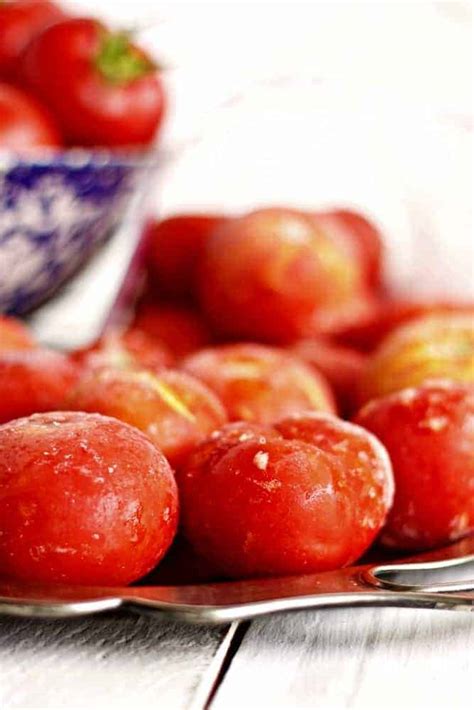
To Use: When ready to make sauce, simply run frozen tomatoes under warm water for a few seconds, and the skins will slip right off. Chop or crush as needed and cook down into your desired sauce.
Method 2: Freezing Chopped Tomatoes
If you prefer a head start on your sauce, you can chop your tomatoes before freezing. This works well for smaller or less firm tomatoes.
- Wash, Core, and Chop: Wash, core, and roughly chop your tomatoes into sauce-sized pieces. No need to peel if you don’t mind the skins in your sauce (they will soften considerably during cooking).
- Pack and Freeze: Pack the chopped tomatoes into freezer-safe containers or bags, leaving a little headspace for expansion.
To Use: Thaw slightly before adding to your sauce pot and cooking.
Quick Roasting for Deep Flavor
While slightly more involved than simple freezing, roasting tomatoes before freezing them for sauce offers a depth of flavor that’s hard to beat, adding a sweet, smoky complexity. It’s still much faster than traditional canning.
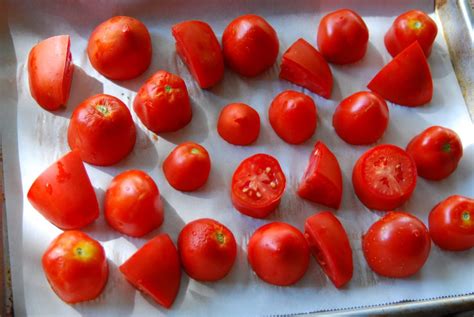
- Prep: Halve or quarter your tomatoes. Toss them with a drizzle of olive oil, a pinch of salt, and pepper on a baking sheet. You can also add garlic cloves or fresh herbs.
- Roast: Roast at 400°F (200°C) for 30-45 minutes, or until softened and slightly caramelized.
- Cool & Freeze: Allow the roasted tomatoes to cool completely. You can then pack them into freezer-safe bags or containers. For a smoother sauce base, you can blend them before freezing.
To Use: Thaw and use as a base for pasta sauces, soups, or stews, enjoying the concentrated roasted goodness.

Efficient Sauce Batches for Freezing
If you have a particularly large harvest and want to consolidate, making a quick batch of unseasoned or lightly seasoned sauce and freezing that is also an efficient option.
- Cook Down: Roughly chop tomatoes and cook them in a large pot over medium heat until they break down and reduce, about 30-60 minutes.
- Mill/Blend (Optional): For a smoother sauce, pass the cooked tomatoes through a food mill to remove skins and seeds, or blend with an immersion blender.
- Cool & Freeze: Allow the sauce to cool completely before portioning into freezer-safe containers or bags.
This method saves time on sauce-making later, as the base is already prepared.
Tips for Success
- Choose Ripe Tomatoes: Use the freshest, ripest tomatoes for the best flavor.
- Label Everything: Always label your frozen packages with the contents and date to ensure freshness and avoid mystery bags.
- Portion Smartly: Freeze in quantities that make sense for your typical meal preparation (e.g., 2-cup portions for a weeknight pasta sauce).
- Vacuum Seal: If you have a vacuum sealer, use it! It dramatically extends freezer life and prevents freezer burn.
Conclusion: Winter Sauces, Garden Fresh
With these quick and easy preservation methods, you can capture the essence of your summer garden and enjoy its vibrant flavors throughout the colder months. Whether you opt for simple freezing, flavorful roasting, or an efficient sauce batch, your future self will thank you for those delicious, homemade winter sauces.