

Quickest way to start a hot compost pile for vegetable scraps?
Unlock Rapid Decomposition with Hot Composting
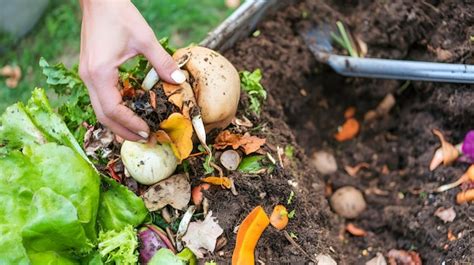
Hot composting is a fantastic way to quickly transform your kitchen vegetable scraps into nutrient-rich soil amendment. Unlike slow, cold composting, a hot pile can break down organic matter in a matter of weeks, provided you set it up correctly and maintain the ideal conditions. The key to speed lies in creating an environment where thermophilic (heat-loving) microbes can thrive.
The Fundamentals of a Fast-Acting Pile
To get a hot compost pile started quickly, you need to pay attention to four main factors: the carbon-to-nitrogen ratio, moisture, aeration, and particle size.
- Carbon (Browns): Provides energy for microbes. Examples include dried leaves, straw, wood chips, shredded paper, and cardboard.
- Nitrogen (Greens): Essential for microbial growth. Vegetable scraps, grass clippings, coffee grounds, and fresh manure are excellent sources. For vegetable scraps, you’re primarily adding nitrogen.
- Ratio: Aim for roughly 25-30 parts carbon to 1 part nitrogen. Since vegetable scraps are high in nitrogen, you’ll need a good volume of brown materials to balance them out.
- Moisture: The pile should feel like a damp sponge – not soaking wet, not bone dry. Water is crucial for microbial activity.
- Aeration: Oxygen is vital for aerobic bacteria. A well-aerated pile prevents anaerobic decomposition (which can cause foul odors) and keeps the process moving fast.
- Particle Size: Smaller pieces decompose faster. Chop or shred your scraps and brown materials as much as possible.

Step-by-Step: Building Your Hot Compost Pile Quickly
1. Gather and Prepare Your Materials
Before you start building, collect a substantial amount of both green and brown materials. For vegetable scraps, this means saving up a good quantity from your kitchen. The ‘quickest’ way often involves starting with enough material to build a pile at least 3x3x3 feet (1 cubic meter), which is the minimum size generally needed to generate and retain heat.
- Vegetable Scraps (Greens): Chop these into small pieces (1-2 inches) if possible. This exposes more surface area for microbes.
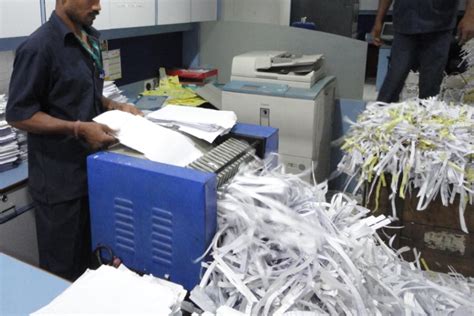
- Carbon Sources (Browns): Shredded dried leaves, straw, or small wood chips work well. If using cardboard or newspaper, tear it into small strips.
2. Choose Your Site and Layer Effectively
Select a well-drained spot, ideally partially shaded, for your compost pile. You can use an open bin, a three-bin system, or simply a free-standing pile. The layering technique is crucial for a fast start:
- Base Layer: Start with a 6-inch layer of coarse brown material (twigs, straw) to ensure good airflow from the bottom.
- Build in Layers: Add alternating layers of 3-4 inches of ‘greens’ (your vegetable scraps, mixed with some grass clippings if available) and 6-8 inches of ‘browns.’
- The ‘Activator’ Layer: While not strictly necessary for heat, a layer of finished compost or garden soil (about 1 inch thick) can introduce beneficial microbes to kickstart the process.
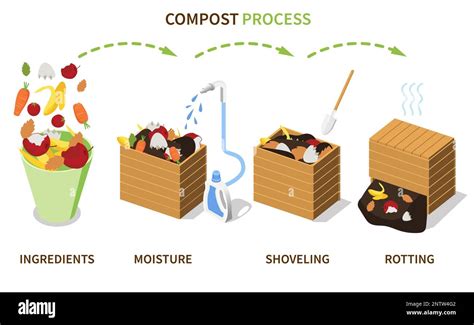
- Mix and Moisten: As you add each layer, lightly moisten it. Once you have a few layers, give the pile a good mix with a fork or aerator to evenly distribute materials and initial moisture.
- Top Layer: Finish with a layer of browns to help retain moisture and deter pests.

Maintaining Heat and Speed
Turn Frequently
This is where the ‘quickest’ part really comes into play. Once your pile is built, it should start heating up within 24-48 hours. To maintain this heat and speed up decomposition:
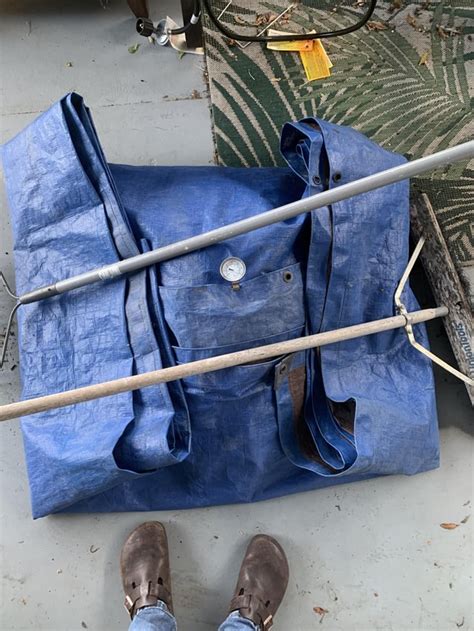
- First Turn: Turn the pile thoroughly after 2-4 days, when the internal temperature reaches 130-160°F (54-71°C) and then starts to drop. Use a compost thermometer to monitor.
- Subsequent Turns: Continue turning every 2-3 days, or whenever the temperature begins to drop after reaching its peak. This aerates the pile and moves undecomposed material from the cooler edges to the hotter center.
- Moisture Check: As you turn, check the moisture content. If it feels dry, add water as you turn. If it’s too wet, add more dry browns.
Monitor and Adjust
A hot compost pile actively managed can be ready in 3-4 weeks. Keep an eye on its progress:
- Temperature: A compost thermometer is invaluable. Aim to keep the pile consistently hot.
- Smell: A healthy hot pile should smell earthy. If it smells like ammonia (too much nitrogen) or rotten (too wet and anaerobic), adjust by adding more browns or turning more frequently.
Conclusion
Starting a hot compost pile for your vegetable scraps quickly is entirely achievable with careful planning and consistent management. By understanding the balance of greens and browns, ensuring adequate moisture and aeration, and committing to regular turning, you can transform your kitchen waste into valuable compost in record time. This not only diverts waste from landfills but also enriches your garden with a powerful, natural soil amendment.