Real food BTS: How to show homemade chaos effectively without looking messy?

In the world of food content creation, there’s a growing appetite for authenticity. Viewers are tired of sterile, perfectly staged scenes and crave a glimpse into the genuine process of homemade cooking. Yet, the challenge lies in capturing the beautiful “chaos” of a busy kitchen – the flour dust, the scattered ingredients, the well-used tools – without it devolving into an unappealing mess. How do you strike that delicate balance, effectively showcasing the lived-in reality of your culinary adventures while maintaining an aesthetic that engages rather than deters?
The Allure of Authenticity: Why “Real” Resonates
Today’s audience connects deeply with content that feels genuine. A perfectly clean kitchen, while aspirational, often lacks the warmth and relatability of a space where real cooking happens. Showing a little behind-the-scenes “mess” can make your content more trustworthy, human, and inspiring, conveying the passion and effort that goes into homemade food. It tells a story beyond just the finished dish.
Embracing this reality, however, requires a strategic approach. It’s not about letting your kitchen become genuinely chaotic and then photographing it; it’s about curating specific elements that hint at the process without overwhelming the viewer. Think of it as controlled disarray, a carefully orchestrated peek into the making of something delicious.
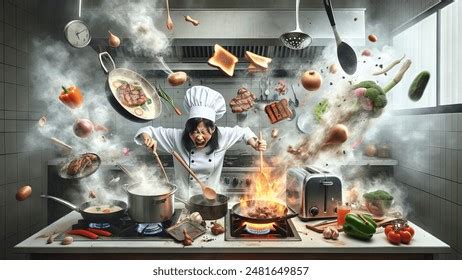
Strategic Mess-Making: Embracing Controlled Chaos
The key to effective “mess” is intentionality. Instead of leaving every bowl and utensil out, select a few key elements that tell part of the story. Maybe it’s a scattering of flour on the counter next to a mixing bowl, or a few vegetable peelings beside a cutting board. These elements should suggest recent activity, not neglect. Focus on ingredients in various states of preparation – chopped vegetables, dough rising, spices laid out – to convey progress and engagement.
Consider the “before and after” of certain ingredients. A whole onion alongside a finely diced one, for instance, perfectly illustrates the effort involved. Don’t be afraid to show active hands, a whisk mid-motion, or a bubbling pot – these dynamic elements add life and energy, making the viewer feel like they are part of the action.
Frame it Right: Composition is King
Composition is paramount in turning potential mess into aesthetic appeal. Use the rule of thirds to place your main subject (the dish, the primary ingredient) effectively, allowing the surrounding “chaos” to serve as supporting detail rather than the main event. Cropping tightly can be a powerful tool; sometimes, showing only a corner of a flour-dusted counter next to a beautiful dough is more impactful than a wide shot of the entire kitchen.
Utilize negative space to give the eyes a place to rest. Even with some elements scattered around, ensuring there are clear areas in your frame prevents the image from feeling too busy or cluttered. Think about lines and shapes – how do the scattered tools or ingredients lead the eye towards your focal point?
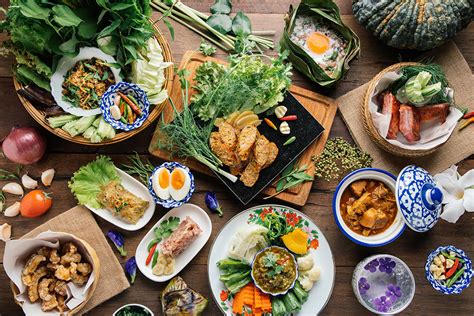
Lighting and Angles: Your Best Friends
Good lighting can elevate even the simplest scene. Natural light, especially diffused window light, is your best ally. It softens harsh shadows, highlights textures, and gives everything a warm, inviting glow. Avoid direct, overhead artificial lights that can create unflattering glare and flat images. If natural light isn’t an option, softbox lighting can mimic its effect.
Experiment with different angles. An overhead shot can beautifully frame a collection of ingredients, making the “mess” feel more artful and organized. Close-ups can draw attention to specific textures or details, isolating the appealing chaos from its potentially less photogenic surroundings. Eye-level shots can make the viewer feel like they are right there, participating in the cooking process.
The Art of the “Unfinished” Look
This approach focuses on creating a narrative of process. A strategically placed crumpled kitchen towel, a half-empty spice jar, or a few chocolate chips scattered around a cookie dough bowl can imply activity without being genuinely dirty. These are “props” that suggest real work is underway. Think about the story you want to tell: Is it about baking, chopping, stirring, or plating? Let your chosen elements reflect that specific activity.
Crucially, ensure that anything you do show looks clean and functional, even if it’s “messy.” A well-used but clean wooden spoon looks charming; a dirty one does not. The goal is to show the genuine process, not unhygienic conditions.
![Processed Culinary Ingredients [NOVA] - Food Unpacked](/images/aHR0cHM6Ly90czMubW0uYmluZy5uZXQvdGg/aWQ9T0lQLkhNazJsUFNKUWszY0x0WkhTYndJWFFIYUU4JnBpZD0xNS4x.webp)
Post-Production Polish: The Final Touch
Even with careful staging, sometimes a little digital clean-up is necessary. Post-production allows you to fine-tune your images. Adjust exposure, contrast, and white balance to make your “chaos” look its best. You can subtly desaturate distracting colors or slightly blur backgrounds to draw more focus to your main subject.
Minor clean-ups might include removing truly unappealing crumbs, dust, or smudges that escaped your initial staging efforts. The aim is to enhance the authentic vibe, not to create a false one. A well-placed vignette or a slight grain can also add to the rustic, homemade feel, making the imperfections seem intentional and charming.

Ultimately, showing homemade chaos effectively is about thoughtful curation and storytelling. It’s about inviting your audience into the heart of your kitchen, showcasing the beautiful, bustling reality of creating delicious food, without sacrificing visual appeal. By intentionally embracing strategic mess, mastering composition and lighting, and adding a touch of post-production magic, you can turn your kitchen’s lively energy into compelling and relatable content that truly resonates.