


Safe foraging tips for identifying edible wild greens on a country property?

Embrace the Wild Larder on Your Country Property
Living on a country property offers the unique opportunity to connect with nature’s bounty, including a diverse array of edible wild greens. However, the excitement of foraging must always be tempered with a rigorous approach to safety. Identifying wild plants requires careful attention to detail, as many edible species have poisonous look-alikes. This guide will equip you with essential tips to safely explore the edible treasures growing right outside your door.
Rule #1: Positive Identification is Non-Negotiable
The golden rule of foraging is simple: if you are not 100% certain of a plant’s identity, do not eat it. There is no room for guesswork when it comes to wild edibles. Many deadly poisonous plants resemble harmless ones, making careful, multi-source identification absolutely crucial.
Start by observing every detail: leaf shape and arrangement, stem characteristics, flower structure, root system, and even scent. Compare these features to descriptions and images in reliable field guides. Never rely on a single source or a quick glance.

Utilize Reliable Resources and Local Knowledge
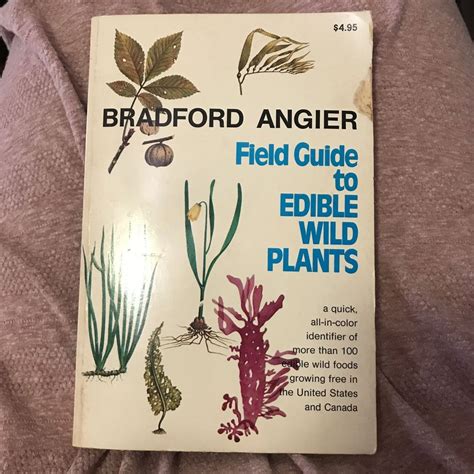
Invest in several high-quality, regional field guides that focus on edible and poisonous plants in your specific area. Online resources can be helpful, but ensure they are reputable university extensions, botanical gardens, or well-known foraging experts. Joining local foraging groups or seeking guidance from experienced foragers can also be invaluable, providing hands-on learning and verification.
Beyond identification, understand your property’s history. Has it been sprayed with pesticides or herbicides? Are there areas where pets or wildlife frequently relieve themselves? Avoid foraging near roadsides, industrial areas, or any place where contaminants might be present.
Practice Sustainable and Ethical Harvesting
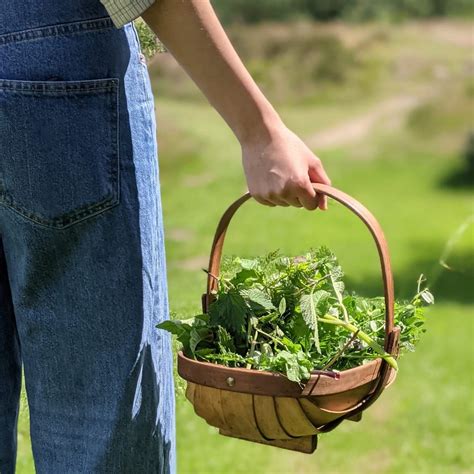
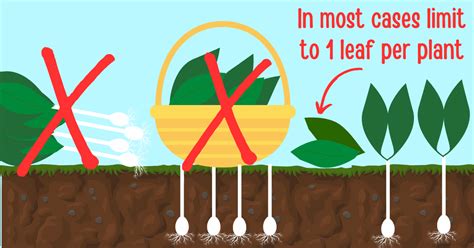
When you do find an edible patch, harvest responsibly to ensure its longevity. Never take all of a plant or strip an entire patch. Harvest only what you need, leaving plenty for the plant to recover and reproduce, as well as for wildlife. For greens, consider taking only a few leaves from each plant. Learn proper harvesting techniques that minimize damage to the plant and its root system.
Also, be mindful of where you step and disturb the soil. Leave the area as undisturbed as possible to maintain a healthy ecosystem for future foraging seasons.
Preparation and Introduction to Your Diet
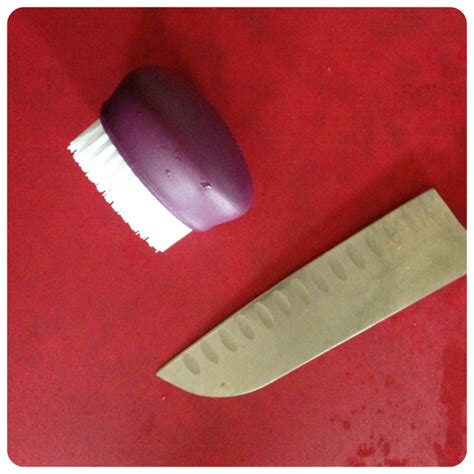
Once you’ve safely identified and harvested your greens, proper preparation is key. Wash all foraged items thoroughly to remove dirt, insects, and any environmental residues. Some wild greens, like stinging nettle, require cooking to neutralize irritants or improve palatability. Always research the recommended preparation methods for each specific plant.
When trying a new wild green for the first time, start with a small amount. This allows you to monitor your body’s reaction, as some individuals may have sensitivities even to common edible plants. Gradually increase your intake once you are confident it agrees with you.
Embrace the Journey of Learning
Foraging for wild edibles on your country property is a rewarding journey that enriches your connection to the land and provides fresh, nutritious food. It requires patience, continuous learning, and an unwavering commitment to safety. By adhering to strict identification rules, utilizing reliable resources, practicing sustainable harvesting, and preparing your finds properly, you can safely enjoy the incredible bounty that nature offers.

