
Safely can homemade tomato sauce without a pressure canner?

Understanding Water Bath Canning for Tomato Sauce
Many home cooks dream of preserving the bounty of their garden, especially luscious homemade tomato sauce. The good news is, you absolutely can safely can homemade tomato sauce without a pressure canner, provided you follow specific, crucial steps. This method is known as water bath canning, and it’s suitable for high-acid foods like most tomatoes and tomato products when properly acidified.
Tomatoes are generally considered high-acid foods, making them candidates for water bath canning. However, varieties, ripeness, and preparation methods can influence their pH level, which is why acidification is a non-negotiable safety measure. A pressure canner is primarily for low-acid foods (pH 4.6 and above) where the higher temperatures achieved are necessary to destroy Clostridium botulinum spores.
The Essential Role of Acidification
Even though tomatoes are generally acidic, their pH can sometimes hover near the border between high and low acid, especially with modern, less acidic varieties or when adding low-acid ingredients like onions or peppers. To ensure safety and prevent the growth of harmful bacteria like those that cause botulism, it is critical to artificially increase the acidity of your tomato sauce.
This is achieved by adding a precise amount of acid to each jar before processing. The most common and recommended acids are bottled lemon juice, citric acid, or vinegar (5% acidity). Use only bottled lemon juice (not fresh) as its acidity level is standardized. For quart jars, add 2 tablespoons of bottled lemon juice or ½ teaspoon of citric acid. For pint jars, use 1 tablespoon of bottled lemon juice or ¼ teaspoon of citric acid. If using vinegar, you’ll need 4 tablespoons per quart or 2 tablespoons per pint, which can significantly alter the flavor profile of your sauce.
Step-by-Step Water Bath Canning Process
Preparation is Key
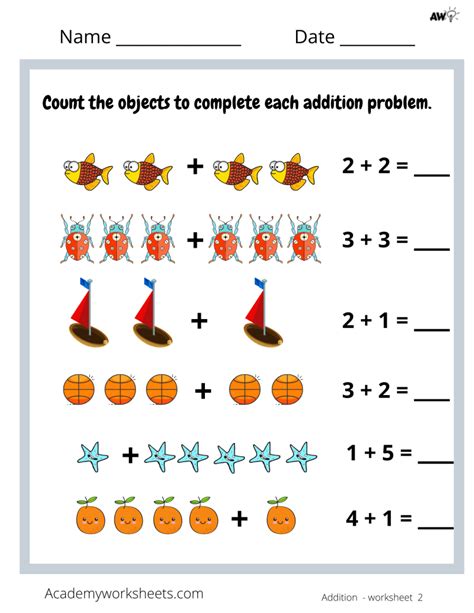
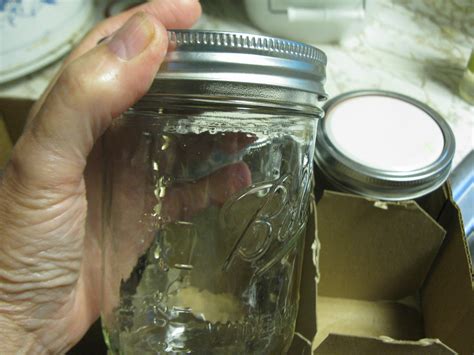
- Sterilize Jars and Lids: Wash glass canning jars, lids, and bands in hot, soapy water. Jars should be sterilized by boiling for 10 minutes or running through a hot dishwasher cycle. Lids should be simmered in hot (not boiling) water just before use according to manufacturer instructions.
- Prepare Your Sauce: Make your tomato sauce according to your desired recipe. It should be hot when you fill the jars.
- Set Up Your Canner: Place a rack at the bottom of a large stockpot (your water bath canner). Fill it halfway with water and bring it to a simmer.
Filling and Acidifying Jars
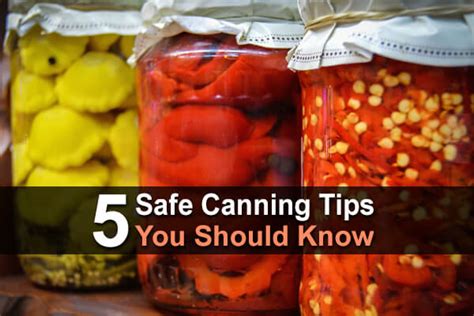
Working with one hot jar at a time, add the required amount of bottled lemon juice or citric acid to the bottom of each jar. Ladle the hot tomato sauce into the jars, leaving ½-inch headspace from the rim. Remove any air bubbles using a non-metallic utensil, then wipe the jar rims clean with a damp cloth to ensure a proper seal. Center a hot lid on each jar, then screw on the band fingertip tight.
Processing in the Water Bath
Carefully place the filled jars onto the rack in your simmering canner. Add more hot water to the canner if needed, ensuring the water level covers the tops of the jars by at least 1-2 inches. Bring the water to a rolling boil, then begin your processing time. For most plain tomato sauces, the processing time is typically 35 minutes for pint jars and 40 minutes for quart jars at altitudes up to 1,000 feet. Adjust processing times for higher altitudes as recommended by USDA guidelines.
Maintain a constant, rolling boil throughout the entire processing time. If the water stops boiling, restart the timer once it returns to a boil.
Cooling and Sealing
Once the processing time is complete, turn off the heat and let the jars sit in the hot water for 5 minutes before carefully removing them. Place the hot jars on a clean towel on a counter, ensuring they are not touching each other and are out of drafts. Allow them to cool undisturbed for 12-24 hours. As they cool, you’ll hear the satisfying “ping” as the lids seal.
Important Safety Considerations
- Altitude Adjustments: For altitudes above 1,000 feet, you must increase your processing time. Consult a reliable canning guide (like the USDA Complete Guide to Home Canning) for specific adjustments.
- Follow Tested Recipes: Always use up-to-date, tested recipes from trusted sources (USDA, university extensions, reputable canning books). Do not improvise on acid amounts or processing times.
- Check Seals: After cooling, check all jar seals. Press the center of the lid; if it doesn’t flex, it’s sealed. Remove bands, wash jars, label, and store. Any unsealed jars must be refrigerated and consumed within a few days.
- Storage: Store sealed, labeled jars in a cool, dark, dry place for up to 12-18 months for best quality.
- Signs of Spoilage: Before opening, inspect jars for bulging lids, leaks, or mold. If any of these are present, or if the contents look, smell, or taste off, discard the food immediately without tasting.

Enjoying Your Homemade Preserves
Canning homemade tomato sauce using the water bath method is a rewarding and safe way to enjoy the flavors of summer all year long, provided you meticulously follow all safety guidelines. With proper acidification and careful processing, you can confidently stock your pantry with delicious, shelf-stable tomato sauce, perfect for pastas, pizzas, and stews.
Embrace the tradition of home canning and savor the taste of your efforts, knowing that each jar has been safely prepared for your family to enjoy. Happy canning!