Safely canning garden tomatoes: water bath or pressure?
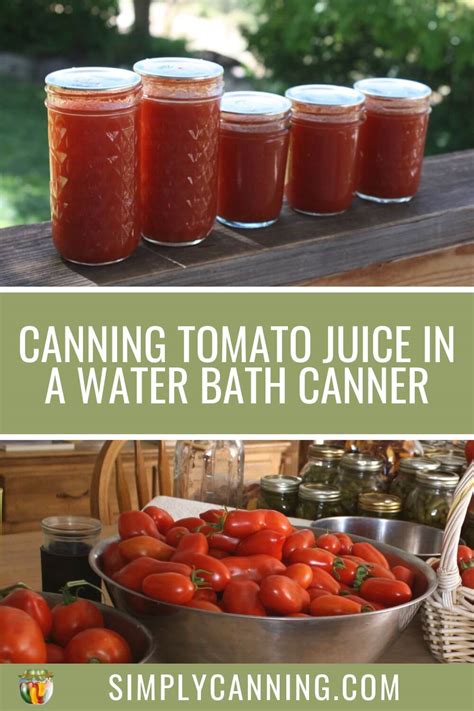
Preserving Your Bountiful Tomato Harvest
There’s nothing quite like the taste of homegrown tomatoes, and preserving that flavor for the colder months is a rewarding endeavor for many home gardeners. Canning is a popular method, allowing you to enjoy your harvest long after the growing season ends. However, when it comes to canning tomatoes, a critical decision arises: should you use a water bath canner or a pressure canner? Understanding the science behind each method is key to ensuring both the quality and safety of your preserved goods.
Understanding Tomato Acidity and Canning Safety
The primary factor determining which canning method to use is the acidity level of the food. Foods are categorized as either high-acid or low-acid. High-acid foods (pH 4.6 or below) can be safely processed in a boiling water bath canner. Low-acid foods (pH above 4.6) require the higher temperatures achievable only in a pressure canner.
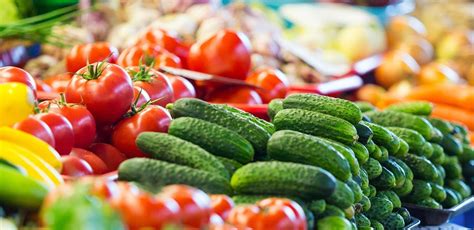
Tomatoes are a bit of a special case. While traditionally considered high-acid, modern hybrid varieties can sometimes have a pH that borders on or slightly exceeds the 4.6 threshold, making them potentially unsafe for water bath canning without added acidification. The risk with improperly canned low-acid foods is the potential growth of Clostridium botulinum, the bacteria that produces the deadly botulinum toxin.
The Boiling Water Bath Method for Tomatoes
The water bath canning method is simpler and requires less specialized equipment, making it a favorite for many beginners. It involves submerging sealed jars in boiling water, which creates a vacuum seal as the jars cool. This method is suitable for tomatoes if they are properly acidified.
When to Use a Water Bath Canner for Tomatoes:
- Acidified Tomatoes: Always add lemon juice, citric acid, or vinegar to each jar of tomatoes. For pints, add 1 tablespoon of bottled lemon juice or 1/4 teaspoon of citric acid. For quarts, use 2 tablespoons of bottled lemon juice or 1/2 teaspoon of citric acid. You can also use 4 tablespoons of 5% acidity vinegar per quart, but this may alter the flavor more noticeably.
- Products like Salsas or Ketchup: If your tomato product includes other high-acid ingredients like vinegar in a sufficient proportion, it may be suitable for water bath canning. Always follow tested recipes from reliable sources like the USDA or university extensions.
Processing times in a boiling water bath are typically longer than pressure canning and vary based on altitude and jar size.

The Pressure Canning Method for Tomatoes
Pressure canning uses steam under pressure to reach temperatures much higher than boiling water (240°F/116°C or more). These higher temperatures are essential for destroying heat-resistant bacteria, including Clostridium botulinum spores, found in low-acid foods.
When to Use a Pressure Canner for Tomatoes:
- Plain Tomatoes (No Added Acid): If you prefer not to add acid to your tomatoes, pressure canning is the only safe method. Even with high-acid varieties, pressure canning offers an extra layer of safety, especially if you’re unsure about the exact pH of your specific tomato batch.
- Tomato-Vegetable Mixtures: Any tomato-based recipe that includes low-acid vegetables (like green beans, corn, or mushrooms) must be pressure canned, regardless of the tomato content. The overall acidity of the mixture will be low.
- Tomato Sauce Without Added Acid: If you’re making a pure tomato sauce without significant acidic additions, pressure canning is the recommended safe method.
Pressure canning requires careful attention to the canner’s gauge and specific processing times and pressures, which also vary by altitude and jar size.
Key Considerations for Safe Tomato Canning
- Always Use Tested Recipes: Never guess! Rely on up-to-date, scientifically tested recipes from reputable sources like the National Center for Home Food Preservation (NCHFP), university extension offices, or the USDA Complete Guide to Home Canning.
- Jar & Lid Preparation: Use clean, hot canning jars and new lids for each canning project to ensure a proper seal.
- Altitude Adjustments: Both water bath and pressure canning require adjustments to processing times or pressure levels at higher altitudes to compensate for lower boiling points.
- Proper Headspace: Leave the recommended amount of headspace in your jars to allow for food expansion and proper sealing.
- Venting the Pressure Canner: Always vent your pressure canner for 10 minutes before applying the weighted gauge or closing the petcock. This ensures all air is removed and only pure steam remains, allowing the canner to reach the correct temperature.

Which Method is Right for You?
For most home canners processing plain or crushed tomatoes, adding acid and using a boiling water bath is a common and safe approach, provided all guidelines are strictly followed. It’s often preferred for its simplicity.
However, if you want to avoid adding acid, are canning mixed tomato and low-acid vegetable recipes, or simply desire the highest safety margin, pressure canning is the definitive choice. It provides the necessary heat to destroy harmful bacteria in a wider range of tomato products.

Ultimately, the best method is the one you use correctly and confidently. Prioritizing food safety should always be your number one concern when canning. By understanding the principles of acidity and heat processing, you can enjoy your garden’s bounty safely and deliciously all year round.