




Safely preserving summer garden produce for winter?
Embracing the Bounty: Why Preserve?
As summer draws to a close, your garden often offers its most generous farewell: an abundance of ripe vegetables and fruits. While feasting on fresh produce is a delight, ensuring none of this hard work goes to waste is a rewarding challenge. Preserving your harvest allows you to enjoy the taste of summer long after the growing season has passed, providing healthy, homegrown food for your family throughout the colder months. But beyond just saving food, doing it safely is paramount to prevent spoilage and foodborne illnesses.
Canning: The Art of Airtight Storage
Canning is perhaps the most traditional and satisfying method of preserving. It involves sealing food in jars and heating them to a temperature that destroys spoilage microorganisms and creates a vacuum seal. There are two primary canning methods:
- Water Bath Canning: Ideal for high-acid foods like fruits, jams, jellies, pickles, and tomatoes (with added acid). Jars are submerged in boiling water for a specific period.
- Pressure Canning: Essential for low-acid foods such as vegetables, meats, poultry, and seafood. A pressure canner reaches much higher temperatures than boiling water, which is necessary to kill harmful bacteria like Clostridium botulinum.
Safety Tip: Always follow tested, up-to-date recipes from reliable sources (like the USDA or university extension offices). Never alter processing times or ingredients, as this can compromise safety. Inspect jars for cracks before use and ensure proper sealing after processing.

Freezing: Capturing Freshness
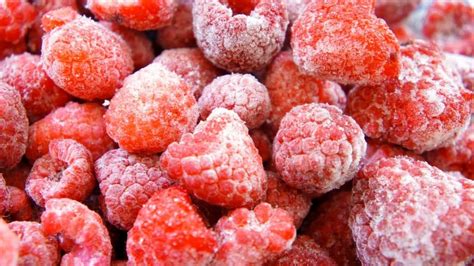
Freezing is one of the simplest ways to preserve garden produce, often retaining much of its fresh flavor, color, and nutritional value. Most vegetables require blanching (briefly boiling, then plunging into ice water) before freezing to stop enzyme action that can degrade quality over time. Fruits, on the other hand, can often be frozen raw, sometimes with a sugar or syrup pack to maintain texture and color.
Process: Clean, chop, and blanch (if needed) your produce. Drain well and pack into freezer-safe bags or containers, removing as much air as possible to prevent freezer burn. Label with the date and contents. Freeze quickly at 0°F (-18°C) or below.
Safety Tip: Use freezer-grade packaging to prevent air exposure. Avoid refreezing thawed food for quality and safety reasons. Maintain a consistent freezer temperature.

Dehydrating: Concentrating Flavors
Dehydrating, or drying, removes moisture from food, inhibiting the growth of bacteria, yeasts, and molds. This method is excellent for fruits, vegetables, and herbs, resulting in lightweight, compact storage. Dehydrated foods like fruit leathers, sun-dried tomatoes, or dried herbs can add intense flavor to winter dishes.
Methods: Food dehydrators are the most efficient, but an oven on its lowest setting with the door slightly ajar can also work. Some climates even allow for sun drying, though this requires specific conditions and vigilance.
Safety Tip: Ensure food is dried thoroughly until crisp or leathery, depending on the item. Store dried foods in airtight containers in a cool, dark, dry place to prevent moisture reabsorption and spoilage.
Other Preservation Methods and General Safety
Beyond these popular techniques, other methods include pickling (using vinegar or fermentation), curing, and root cellaring. Root cellaring, for instance, is ideal for potatoes, carrots, apples, and other crops that thrive in cool, dark, humid conditions without processing.
Regardless of the method chosen, general food safety principles apply:
- Cleanliness: Wash hands, utensils, and surfaces thoroughly.
- Quality Produce: Start with fresh, blemish-free produce. Discard any moldy or spoiled items.
- Accurate Information: Always use current, tested recipes and methods. Information changes, so rely on updated sources.
- Proper Storage: Store preserved foods correctly (cool, dark, dry for canned/dried; frozen for frozen).
- Labeling: Clearly label all preserved foods with the contents and date to ensure proper rotation and freshness.
Safely preserving your summer garden produce is a rewarding endeavor that extends the season’s bounty and provides nourishing food for months to come. By understanding and adhering to proper preservation techniques and stringent food safety guidelines, you can enjoy the fruits (and vegetables!) of your labor year-round with confidence.