




Safely store root vegetables after harvest for winter use?
Maximizing Your Harvest: The Art of Winter Root Vegetable Storage
As the gardening season winds down, many gardeners find themselves with an abundance of root vegetables. Far from being a seasonal treat, root crops like potatoes, carrots, beets, parsnips, and turnips are perfectly suited for long-term storage, providing nutritious sustenance through the colder months. Learning the correct techniques for harvesting, preparing, and storing these resilient vegetables can significantly extend your garden’s bounty, ensuring fresh produce is available even when snow covers the ground.
Beyond the satisfaction of self-sufficiency, storing your own root vegetables offers a taste superior to many store-bought alternatives and eliminates the need for frequent grocery runs. With a little planning and effort, you can enjoy the fruits (or roots!) of your labor well into spring.
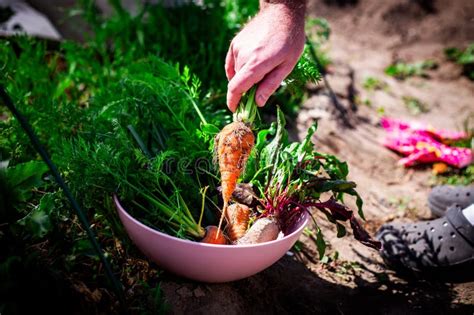
Pre-Storage Essentials: Harvesting and Curing
The journey to successful winter storage begins even before the vegetables leave the ground. Proper harvesting techniques are crucial. Most root vegetables are best harvested before a hard freeze, but after the tops have begun to die back or after a light frost, which can sweeten some varieties. Dig them gently, taking care not to bruise or cut the roots, as any damage can invite rot during storage. A digging fork is often preferred over a shovel for this reason.
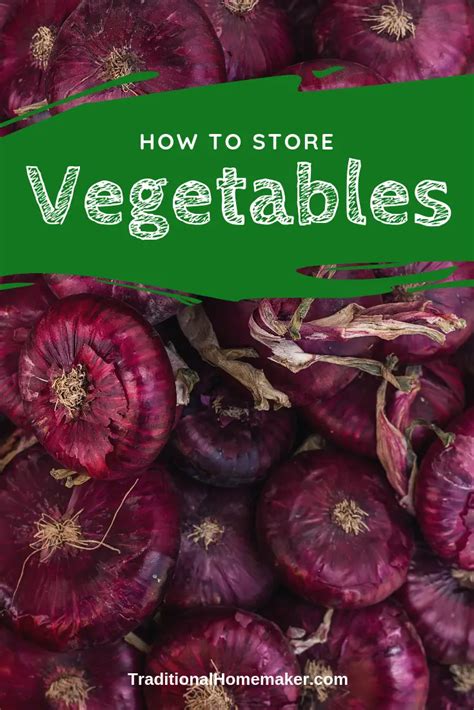
Certain root vegetables benefit from a ‘curing’ period immediately after harvest. Potatoes, for instance, should be cured for 1-2 weeks in a cool (50-60°F / 10-15°C), dark, and humid environment to allow their skins to toughen and any minor cuts to heal. Onions and garlic also require curing in a warm, dry, well-ventilated spot for several weeks until their outer skins are papery dry. This curing process is vital for preventing spoilage.
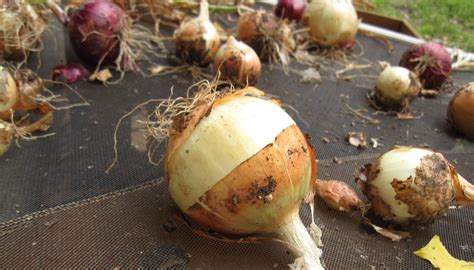
Preparing Your Produce for Long-Term Keeping
Once harvested and cured (if necessary), thorough preparation is key. Gently brush off any excess soil from your root vegetables; do not wash them unless specifically recommended for a particular storage method, as moisture can encourage mold and rot. Trim off the leafy tops, leaving about an inch of stem on beets and carrots to prevent bleeding and moisture loss. For potatoes, onions, and garlic, leave them whole.
Inspect each vegetable carefully. Only perfectly healthy, unblemished roots should be selected for long-term storage. Any roots with cuts, bruises, or signs of disease should be used immediately or discarded, as one bad apple (or potato) can spoil the whole barrel.
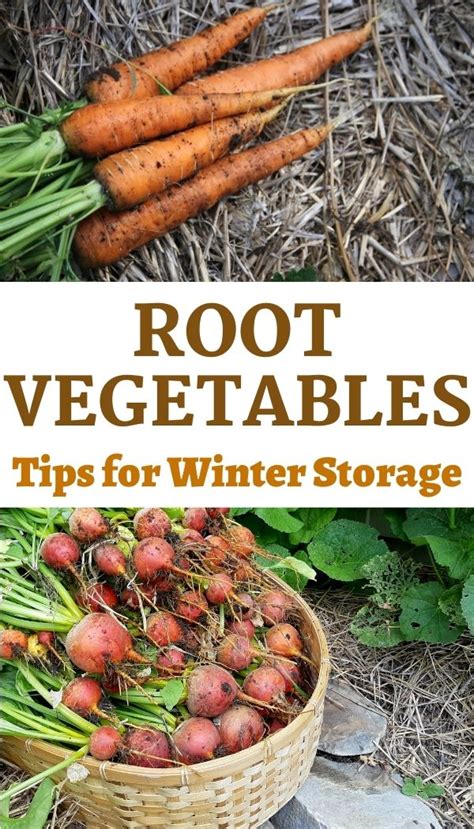
Choosing the Right Storage Method
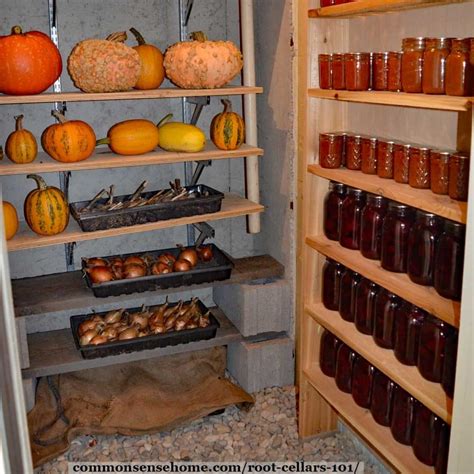
The ideal conditions for most root vegetables are cool, dark, and slightly humid. A root cellar is the classic choice, but a cool basement, unheated garage, or even a protected outdoor pit can work. The specific temperature and humidity levels vary slightly by vegetable, but generally, temperatures between 35-50°F (2-10°C) with 85-95% humidity are optimal.
- Moist Storage (Carrots, Beets, Parsnips, Turnips): These thrive in high humidity to prevent shriveling. Layer them in clean, moist sand, sawdust, or peat moss within sturdy crates or bins. Ensure the medium is consistently damp but not wet.
- Dry Storage (Potatoes): Potatoes prefer cool, dark, and humid conditions but not direct contact with moisture. Store them in breathable containers like burlap sacks, wooden crates, or laundry baskets, away from light to prevent greening. Do not store with apples, which release ethylene gas and can cause sprouting.
- Cool, Dry Storage (Onions, Garlic): Unlike other roots, onions and garlic need dry, well-ventilated conditions after curing. Hang them in mesh bags or braid them and hang in a cool, dark place, such as a pantry or unheated closet, not in the refrigerator.
Specific Tips for Popular Root Vegetables
- Potatoes: Keep them in the dark to prevent solanine development (green skin), which is toxic. Avoid refrigeration, which converts starch to sugar, making them gritty and sweet.
- Carrots, Beets, Parsnips: If using the sand layering method, ensure the sand is just barely moist. You can also store them in perforated plastic bags in a refrigerator for shorter periods (1-2 months).
- Onions and Garlic: Proper air circulation is critical. Do not store in plastic bags. Check regularly for soft spots or sprouts.
Monitoring and Maintenance for Lasting Freshness
Even with the best preparation, continuous monitoring is essential. Check your stored vegetables every few weeks. Remove any items that show signs of spoilage, rot, or mold immediately to prevent it from spreading to healthy produce. Good air circulation also helps prevent moisture buildup and disease.
By investing a little time and effort after harvest, you can enjoy the delicious, earthy flavors of your homegrown root vegetables all winter long. This not only provides fresh, healthy food but also connects you more deeply with the rhythm of your garden and the cycle of the seasons.