
Safest canning method for excess summer garden tomatoes?
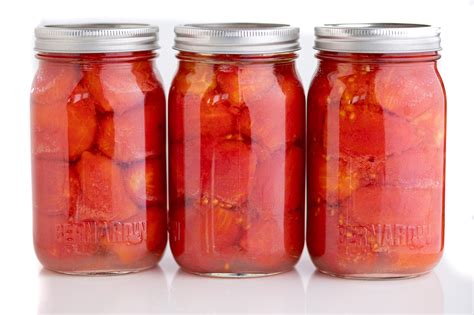
Summer’s bounty often brings a surplus of ripe, juicy tomatoes from the garden, a delightful problem for any home gardener. Turning this fleeting freshness into shelf-stable goodness requires a reliable and, most importantly, safe canning method. For tomatoes, this often boils down to a choice between water bath canning and pressure canning, dictated primarily by the tomatoes’ acidity and the specific recipe.
Understanding Tomato Acidity and Canning Safety
Tomatoes are generally considered a high-acid food (pH 4.6 or below), which historically made them suitable for water bath canning. However, modern tomato varieties, growing conditions, and ripeness can sometimes result in slightly lower acidity. To ensure safety and prevent the growth of harmful bacteria like Clostridium botulinum, it is crucial to add acid when water bath canning tomatoes.
For plain tomatoes, tomato juice, or crushed tomatoes, a specified amount of bottled lemon juice, citric acid, or vinegar (at least 5% acidity) must be added to each jar. This acidification step is non-negotiable for water bath canning and is critical for ensuring the safety of your preserved goods.
Water Bath Canning Tomatoes
Water bath canning is the go-to method for high-acid foods. When canning tomatoes, this method is appropriate for:
- Plain Tomatoes (whole, halves, crushed, diced): Always add bottled lemon juice (2 tablespoons per quart, 1 tablespoon per pint) or citric acid (1/2 teaspoon per quart, 1/4 teaspoon per pint).
- Tomato Juice: Similar acidification requirements as plain tomatoes.
- Salsas and Tomato Sauces (with high acid ingredients): Many tested salsa and sauce recipes are formulated to be safe for water bath canning due to the inclusion of vinegar, lime juice, or other high-acid ingredients. Always follow a tested recipe from a reputable source (e.g., USDA, university extension offices).
The process involves filling jars with your prepared tomatoes, adding the required acid, sealing with two-piece lids, and processing them in boiling water for a specified amount of time. This heat kills spoilage microorganisms and creates a vacuum seal.
Pressure Canning for Low-Acid Tomato Products or Enhanced Safety
While water bath canning is safe for acidified tomatoes, pressure canning offers an alternative, especially for recipes with added low-acid ingredients or for those who prefer not to add extra acid. Pressure canning is essential for:
- Tomato products with low-acid vegetables: Recipes like tomato soup with carrots or celery, or spaghetti sauce with meat, must be pressure canned. The added low-acid ingredients raise the overall pH, requiring the higher temperatures achieved only by a pressure canner to destroy bacterial spores.
- Plain tomatoes without added acid: If you prefer not to add lemon juice or citric acid to your plain canned tomatoes, pressure canning is the safest alternative. Processing times and pressures vary by altitude and canner type, so always consult a reliable guide.
Pressure canning uses steam under pressure to reach temperatures much higher than boiling water, effectively eliminating all harmful bacteria and spores, regardless of the food’s acidity. This method provides the highest level of food safety for a wider range of tomato-based products.

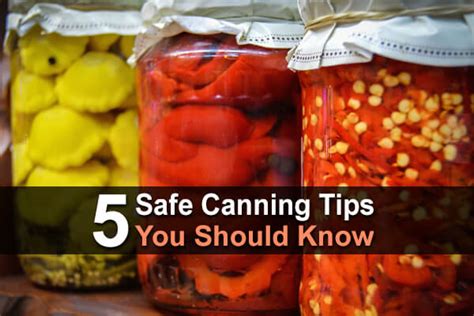
Essential Canning Safety Tips
- Follow Tested Recipes: Never deviate from scientifically tested canning recipes from reputable sources. Recipes passed down through generations may not account for modern food safety standards or tomato varieties.
- Use Proper Equipment: Ensure your water bath canner and pressure canner are in good working order. Pressure canners should have their gauges checked annually.
- Sterilize Jars: Always start with clean, hot jars.
- Headspace is Key: Leave the recommended amount of headspace in each jar to allow for proper sealing.
- Proper Sealing: Check for proper seals after jars have cooled for 12-24 hours. A properly sealed lid will be concave and will not flex when pressed.
- Label and Store: Label your jars with the contents and date. Store in a cool, dark place.

By understanding the critical role of acidity and adhering to recommended processing methods, you can confidently preserve your summer garden’s tomato bounty, ensuring a delicious and safe supply of homegrown flavor all year long.