Safest canning method for preserving excess garden tomatoes whole for winter?
Harvesting Your Bounty: The Best Way to Can Whole Tomatoes
There’s nothing quite like the taste of fresh garden tomatoes, and preserving them whole allows you to capture that summer flavor to enjoy all winter long. While canning might seem daunting, especially when prioritizing safety, it’s a rewarding skill that ensures your harvest doesn’t go to waste. When it comes to preserving whole tomatoes, choosing the right method is crucial for preventing spoilage and, more importantly, eliminating the risk of foodborne illnesses.
The primary concern with canning low-acid foods is the risk of Clostridium botulinum, a bacterium that produces a deadly toxin in anaerobic environments like sealed jars. Tomatoes, while often considered acidic, can have varying pH levels, sometimes falling into the “borderline” category, making proper processing paramount.
Understanding Tomato Acidity and Canning Methods
For safe home canning, foods are generally divided into two categories: high-acid (pH 4.6 or below) and low-acid (pH above 4.6). High-acid foods can be safely processed in a boiling water bath canner, where temperatures reach 212°F (100°C). Low-acid foods, however, require the higher temperatures achieved only in a pressure canner, typically 240-250°F (116-121°C), to destroy harmful bacteria spores.
Tomatoes naturally contain acid, but their pH can fluctuate based on variety, ripeness, growing conditions, and even processing methods (e.g., adding sugar can reduce acidity). To ensure safety, all home-canned tomatoes, whether whole, crushed, or juiced, require either acidification or pressure canning.
Water Bath Canning Whole Tomatoes: The Acidification Route
If you prefer water bath canning, adding acid is non-negotiable for whole tomatoes. This method is effective when the acidity is sufficiently increased to inhibit bacterial growth. Here’s how to do it safely:
- Prepare Tomatoes: Wash ripe, blemish-free tomatoes. You can peel them by dipping them in boiling water for 30-60 seconds, then immediately transferring to an ice bath. Core them and leave them whole.
- Acidification is Key: For each quart jar, add 2 tablespoons of bottled lemon juice or ½ teaspoon of citric acid. For pint jars, use 1 tablespoon of bottled lemon juice or ¼ teaspoon of citric acid. Do NOT use fresh lemon juice, as its acidity can vary.
- Pack Jars: You can choose between raw pack or hot pack.
- Raw Pack: Tightly pack prepared, whole raw tomatoes into hot jars. Add boiling water or tomato juice, leaving ½ inch headspace.
- Hot Pack: Briefly simmer tomatoes (whole) in water or their own juice for 5 minutes. Pack hot tomatoes into hot jars, covering with the hot liquid, leaving ½ inch headspace.
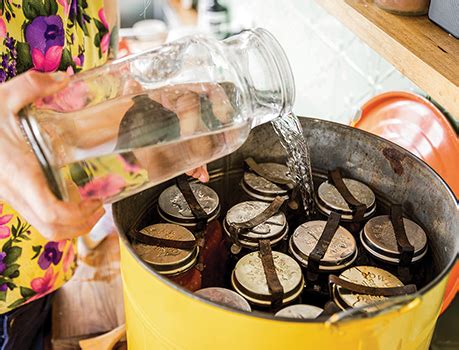
- Process: Remove air bubbles, wipe rims, apply lids and rings to fingertip tight. Process quart jars in a boiling water bath canner for 45 minutes (pints for 40 minutes), adjusting for altitude.

Pressure Canning Whole Tomatoes: The Safest Method Without Added Acid
For the absolute safest method to preserve whole tomatoes without needing to add extra acid, pressure canning is the superior choice. The higher temperatures achieved in a pressure canner effectively destroy any potential botulism spores, even in less acidic tomatoes.
- Prepare Tomatoes: Wash, core, and peel (optional) your ripe tomatoes as described above.
- Pack Jars: Pack whole, raw or hot-blanched tomatoes into hot jars, leaving ½ inch headspace. Fill with boiling water or hot tomato juice, maintaining the ½ inch headspace.
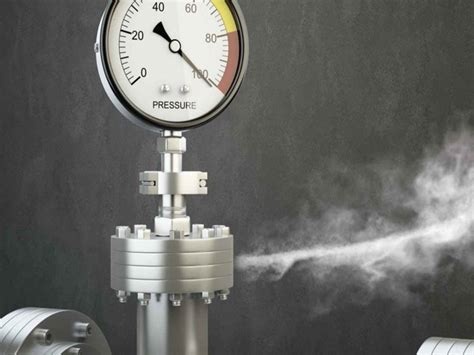
- Process: Remove air bubbles, wipe rims, apply lids and rings. Place jars in a preheated pressure canner. Process quart jars for 20 minutes at 10 pounds of pressure (pints for 15 minutes), adjusting pressure for your altitude and canner type (weighted gauge vs. dial gauge). Always follow your canner’s instructions precisely.
Essential Safety Reminders for Canning Tomatoes
- Use Tested Recipes: Always use current, tested recipes from reputable sources like the National Center for Home Food Preservation (NCHFP), Extension offices, or USDA guidelines.
- Sterilize Jars: Ensure jars are clean and hot before filling.
- Check Seals: After processing and cooling for 12-24 hours, check jar seals. Lids should be concave and not flex when pressed. If a jar hasn’t sealed, refrigerate and use within a week, or reprocess with a new lid.
- Altitude Adjustments: For both water bath and pressure canning, adjust processing times or pressure if you live above 1,000 feet elevation.
- Never Taste Unsealed Jars: If a jar shows signs of spoilage (bulging lid, mold, off-odor), do not taste it. Discard immediately.
Enjoying Your Winter Harvest
Whether you choose to acidify and water bath can or opt for the higher safety margin of pressure canning, preserving whole garden tomatoes is a rewarding way to extend your harvest. By following proper canning procedures, you can confidently enjoy the taste of summer sunshine in your winter meals, knowing your homemade preserves are safe and delicious.