Safest homemade spray for aphids on edible plants?
Understanding the Aphid Problem on Edible Plants
Aphids are tiny, soft-bodied insects that can wreak havoc on a garden, especially on edible plants. They suck the sap from leaves, stems, and buds, leading to stunted growth, yellowing leaves, distorted new growth, and sometimes even plant death. What makes them particularly frustrating for gardeners of edible crops is the need for safe pest control methods that won’t leave harmful residues on food.
While various chemical pesticides are available, using them on fruits, vegetables, and herbs that you intend to eat is often undesirable due to health concerns. This is where natural, homemade solutions become invaluable, offering an effective way to manage these pests safely.

Why Choose Homemade Solutions for Edibles?
The primary advantage of homemade aphid sprays for edible plants is their safety profile. By using common household ingredients, you avoid introducing synthetic chemicals into your food supply and the surrounding environment. This approach supports organic gardening principles, protects beneficial insects (when applied carefully), and ensures your harvests are safe for consumption.
Moreover, homemade sprays are often cost-effective and allow for immediate treatment as soon as aphids are spotted, preventing larger infestations.
The Safest and Most Effective: Soapy Water Spray
Ingredients & Preparation:
- Mild Dish Soap: Choose a plain, unscented, biodegradable liquid dish soap (avoid detergents with degreasers, bleach, or harsh chemicals).
- Water: Tap water is fine.
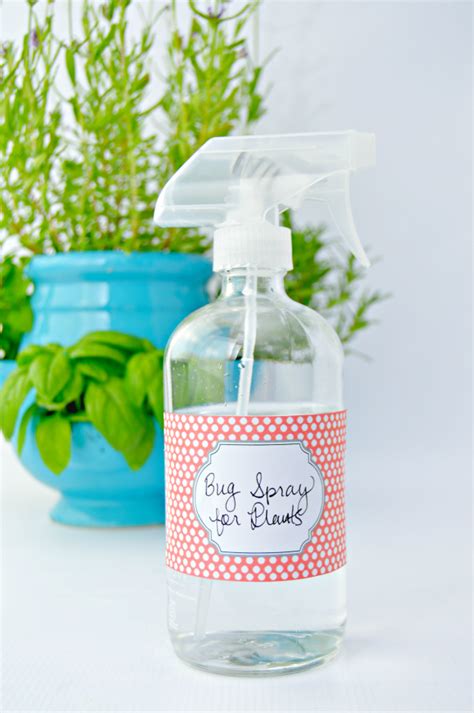
- Spray Bottle: A clean, empty spray bottle.
Ratio: Mix 1-2 teaspoons of mild dish soap into 1 quart (about 1 liter) of water. Stir gently to combine without creating excessive suds.

Application:
- Test First: Before full application, spray a small, inconspicuous area of the plant and wait 24 hours. If no adverse reactions (like leaf burn) occur, proceed.
- Target Thoroughly: Aphids often congregate on the undersides of leaves and on new growth. Spray all affected areas directly, ensuring complete coverage. The soap works by dissolving the aphid’s protective outer layer, leading to dehydration.
- Timing: Apply in the early morning or late evening when temperatures are cooler and the sun is less intense, reducing the risk of leaf burn. Avoid spraying during the hottest part of the day.
- Repeat as Needed: Aphids reproduce quickly. Reapply every 2-3 days until the infestation is under control, then weekly for maintenance if necessary.
Other Gentle Homemade Options
Neem Oil Spray (Use with Caution on Edibles)
Neem oil is a natural insecticide derived from the neem tree. It disrupts aphid feeding and reproduction. While natural, it should be used carefully on edibles. Mix 1-2 tablespoons of cold-pressed neem oil with 1 teaspoon of mild liquid soap (as an emulsifier) per gallon of water. Spray thoroughly. Always check local regulations and specific product instructions regarding harvest intervals, as some recommend waiting several days after spraying before consuming treated produce.
Garlic Spray
Garlic’s strong scent can deter aphids. Blend several garlic cloves with a small amount of water to create a paste. Let it sit for a few hours, then strain and dilute the liquid with more water (e.g., 1 part garlic concentrate to 10 parts water). Add a tiny drop of dish soap to help it stick. This acts more as a repellent than a direct killer and needs frequent reapplication.
Tomato Leaf Spray
Tomato leaves contain alkaloids that are toxic to aphids. Chop about two cups of tomato leaves and soak them in one quart of water overnight. Strain the mixture and use the liquid as a spray. Like garlic spray, this is generally a deterrent and less potent than the aphid-killing soapy water.
Best Practices for Aphid Management
- Manual Removal: For small infestations, simply blast aphids off with a strong stream of water from a hose, or pick them off by hand.
- Regular Inspection: Check your plants frequently, especially new growth and undersides of leaves, to catch infestations early.
- Promote Beneficial Insects: Attract ladybugs, lacewings, and hoverflies, which are natural predators of aphids, by planting companion flowers.
- Maintain Plant Health: Healthy, vigorous plants are more resilient to pest attacks. Ensure proper watering, nutrients, and sunlight.
- Cleanliness: Remove plant debris and weeds that can harbor pests.

Conclusion
Managing aphids on edible plants effectively and safely doesn’t require harsh chemicals. The humble soapy water spray stands out as the safest, most accessible, and highly effective homemade solution. Coupled with good gardening practices, regular scouting, and the judicious use of other natural deterrents, you can protect your edible garden from aphids and enjoy a bountiful, chemical-free harvest.