Safest method for water bath canning garden-fresh dill pickles?
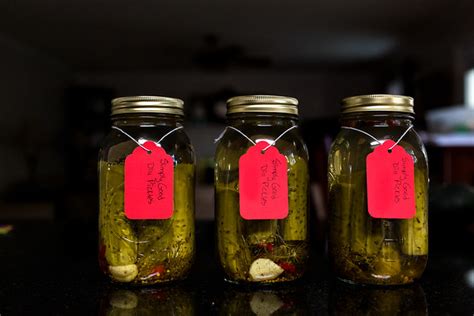
Embracing the Art of Safe Home Canning for Dill Pickles
There’s immense satisfaction in preserving the bounty of your garden, and garden-fresh dill pickles are a quintessential summer treat. While the idea of home canning might seem daunting, water bath canning is a safe and straightforward method for high-acid foods like pickles, provided you follow tested guidelines. The key to delicious and safe dill pickles lies in understanding the process, using the right equipment, and adhering to tested recipes.
Understanding Water Bath Canning for Acidic Foods
Water bath canning is suitable for high-acid foods (pH of 4.6 or lower), which naturally inhibit the growth of harmful bacteria, including Clostridium botulinum. Pickles, due to their vinegar content, fall into this high-acid category. The water bath process heats the jars to a temperature sufficient to destroy molds, yeasts, and enzymes that cause spoilage, while also creating a vacuum seal that keeps contaminants out.
It’s crucial to always use a recipe specifically designed for water bath canning, which will specify the correct ratio of vinegar to water, salt, and processing times to ensure adequate acidity and safety. Never reduce the amount of vinegar or alter a tested recipe without understanding the pH implications.
Essential Equipment for Dill Pickle Canning
Before you begin, gather all your necessary tools. Having everything at hand makes the process smoother and safer:
- Water Bath Canner: A large pot with a lid and a rack to keep jars off the bottom.
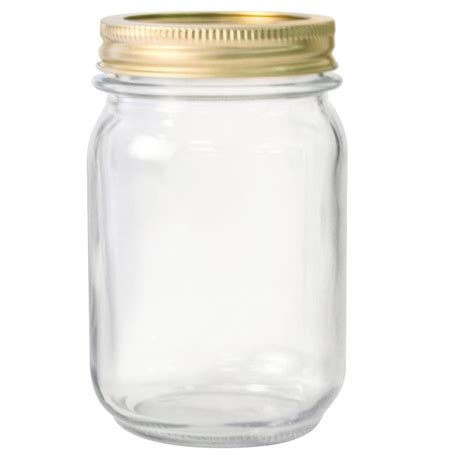
- Canning Jars: Mason-style jars with two-piece lids (new flat lids, reusable screw bands).
- Jar Lifter: For safely moving hot jars.
- Canning Funnel: To prevent spills when filling jars.
- Headspace Tool/Ruler: To measure the correct space between food and the jar rim.
- Bubble Remover: A non-metallic spatula or chopstick to release trapped air bubbles.
- Clean Towels: For wiping jar rims and cooling jars.
- Large Pot: For preparing brine.
- Basic Kitchen Utensils: Knives, cutting board, measuring cups, spoons.
Choosing and Preparing Your Dill Pickle Recipe
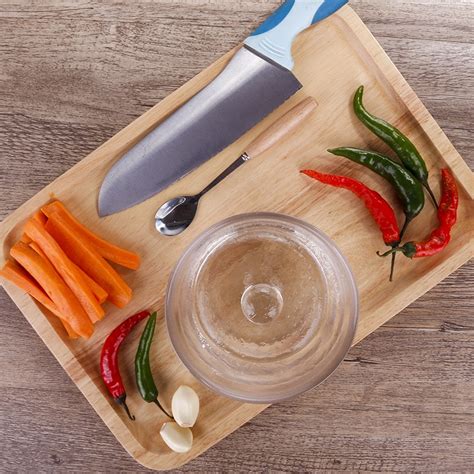
The foundation of safe canning is a reliable, tested recipe. Consult resources like the National Center for Home Food Preservation (NCHFP), university extension services, or reputable canning books. Look for recipes that specify ingredients like fresh pickling cucumbers, 5% acidity vinegar (white or apple cider), pickling salt, fresh dill heads or seeds, and garlic.
Ingredient Preparation:
- Cucumbers: Use fresh, firm pickling cucumbers (1-4 inches long) free of blemishes. Wash them thoroughly and trim the blossom end, which contains enzymes that can soften pickles.
- Dill & Garlic: Ensure these are fresh and clean.
- Brine: Prepare your brine according to the recipe, using pickling salt (iodized salt can cloud your brine) and 5% acidity vinegar. Heat the brine to a gentle simmer before filling jars.
Step-by-Step Water Bath Canning Process
1. Prepare Jars and Lids
Wash jars, lids, and bands in hot soapy water and rinse well. Keep jars hot until use; you can place them in the canner filled with hot water or run them through a dishwasher’s hot cycle. New flat lids should be simmered (not boiled) in a small pot of water to soften the sealing compound, following manufacturer instructions. Screw bands do not need to be heated.
2. Pack the Jars
Carefully place your prepared dill sprigs, garlic cloves, and other spices at the bottom of the hot jars. Then, tightly pack your cucumbers (whole, spears, or slices) into the jars, leaving appropriate headspace as specified by your recipe (usually 1/2 inch). Try to pack them snugly to minimize floating.

3. Add Hot Brine and Remove Air Bubbles
Ladle the hot brine over the packed cucumbers, ensuring they are completely submerged. Maintain the specified headspace. Use a non-metallic tool to remove any trapped air bubbles by gently running it along the inside of the jar. Adjust headspace by adding more brine if necessary.
4. Wipe Rims and Apply Lids
Wipe the rims of the jars with a clean, damp cloth to remove any food particles or brine that could interfere with the seal. Center a hot flat lid on each jar, then screw on a band finger-tight (just until you feel resistance, then a tiny bit more).
5. Process in the Water Bath Canner
Place the filled jars onto the rack in your water bath canner. Ensure the water level covers the jars by at least 1-2 inches. Cover the canner with its lid and bring the water to a full, rolling boil. Once boiling, begin timing according to your recipe. Adjust processing time for altitude if you live above 1,000 feet above sea level.

6. Cool and Check Seals
Once the processing time is complete, turn off the heat and remove the canner lid. Let the jars sit in the hot water for 5 minutes before carefully removing them with a jar lifter. Place the hot jars upright on a towel-lined surface in a draft-free area, leaving space between them for air circulation. Do not disturb them for 12-24 hours. You’ll hear the satisfying “ping” as lids seal.
After 12-24 hours, check seals by pressing the center of each lid. If it doesn’t flex, the jar is sealed. Remove the screw bands, wipe jars clean, label with contents and date, and store in a cool, dark place. Any unsealed jars should be refrigerated and consumed within a few weeks.
Enjoy Your Homemade Pickles Safely
By diligently following these steps and always using tested, reliable recipes, you can confidently and safely enjoy your own garden-fresh dill pickles throughout the year. The effort is minimal compared to the reward of knowing exactly what’s in your food and savoring the taste of summer long after the garden harvest is over.