

Safest way to can homemade tomato sauce?
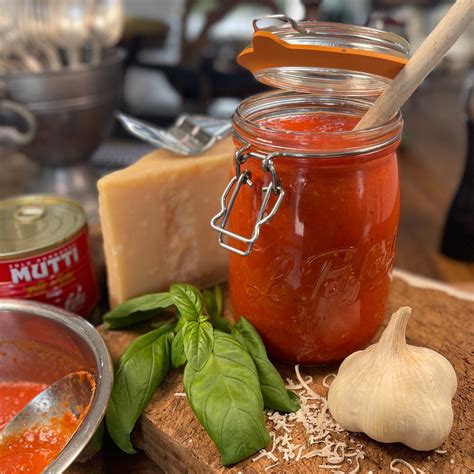
Making your own tomato sauce from scratch is a rewarding culinary experience, capturing the fresh flavors of summer for year-round enjoyment. However, when it comes to preserving that sauce through canning, safety is paramount. Improper canning can lead to serious health risks, including botulism. This guide will walk you through the safest methods to ensure your homemade tomato sauce is delicious and safe to eat months down the line.
Understanding Acidity: The Foundation of Safe Canning
The primary factor determining the safest canning method for tomato sauce is acidity. Tomatoes are generally considered high-acid foods, but their acidity can vary depending on the variety, ripeness, and growing conditions. To ensure safety, especially for water bath canning, you must acidify your tomato sauce. This involves adding bottled lemon juice or citric acid.
- Bottled Lemon Juice: Use 1 tablespoon per pint jar or 2 tablespoons per quart jar.
- Citric Acid: Use 1/4 teaspoon per pint jar or 1/2 teaspoon per quart jar.
Do not use fresh lemon juice, as its acidity can vary significantly. The added acid creates an environment that inhibits the growth of harmful bacteria, particularly Clostridium botulinum.
Essential Equipment for Safe Canning
Before you begin, gather the necessary equipment:
- Canning Jars: Mason-style jars (pint or quart) with new lids and bands. Inspect jars for chips or cracks.
- Canner: Either a large water bath canner with a rack or a pressure canner.
- Jar Lifter: For safely placing and removing hot jars.
- Funnel: For easy filling of jars.
- Ladle: For transferring sauce to jars.
- Headspace Tool/Ruler: To measure the correct headspace.
- Bubble Remover/Debubbler: A non-metallic tool to remove air bubbles.
Ensure all equipment, especially jars and lids, are thoroughly cleaned and sterilized according to manufacturer instructions and canning guidelines.
Method 1: Water Bath Canning for Acidified Tomato Sauce
Water bath canning is suitable for high-acid foods. Since homemade tomato sauce needs acidification to be safely water bathed, this method is popular and effective when done correctly.
- Prepare Tomatoes: Wash, core, peel (optional, but recommended for smoother sauce), and chop your tomatoes. You can then cook them down into your desired sauce consistency.
- Add Acid: Stir in the recommended amount of bottled lemon juice or citric acid directly into each jar before adding the sauce, or add it to the batch of sauce if you can ensure even distribution.
- Fill Jars: Ladle hot sauce into clean, hot canning jars, leaving 1/2 inch of headspace.
- Remove Air Bubbles: Use your debubbler to remove any trapped air bubbles, ensuring the sauce fully settles. Add more sauce if necessary to maintain headspace.
- Clean Rims and Seal: Wipe jar rims with a clean, damp cloth to remove any food residue. Place new, treated lids (warmed as per manufacturer instructions) on jars, followed by bands tightened to fingertip-tightness.
- Process in Water Bath Canner: Place jars on the rack in a water bath canner filled with hot water, ensuring jars are covered by at least 1-2 inches of water. Bring water to a rolling boil and process for the recommended time (typically 35-45 minutes for pints/quarts, adjusting for altitude).
- Cool and Check Seals: Turn off heat, remove canner lid, and let jars sit for 5 minutes before carefully removing them with a jar lifter to a towel-lined counter. Let cool for 12-24 hours without disturbing. Check seals: lids should be concave and not flex when pressed.
Method 2: Pressure Canning for Unacidified or Mixed Tomato Sauce
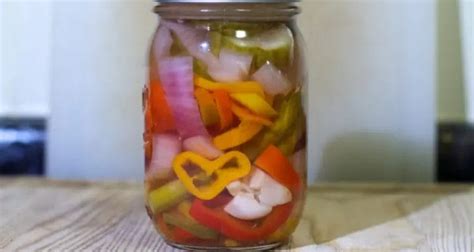
If you prefer not to add acid to your tomato sauce, or if your sauce includes low-acid vegetables like onions, peppers, or mushrooms in significant quantities, pressure canning is the only safe method. Pressure canning reaches higher temperatures than water bath canning, effectively destroying botulism spores.
- Prepare Sauce and Jars: Prepare your sauce as desired. Fill hot jars, leaving 1-inch headspace. Remove air bubbles and clean rims.
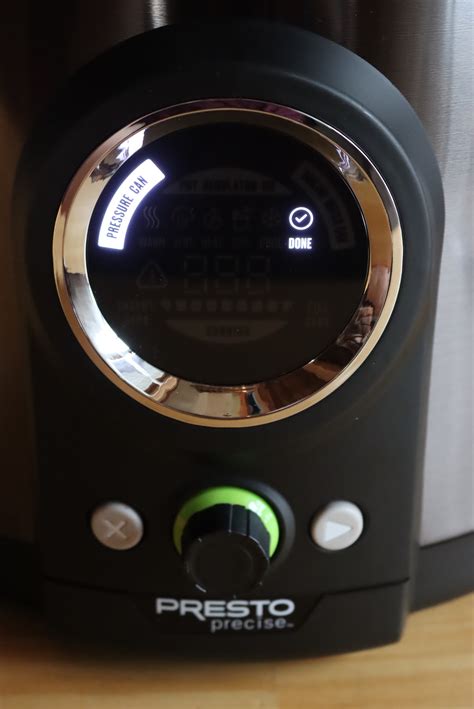
- Process in Pressure Canner: Place jars in the pressure canner with the recommended amount of water. Secure the lid and vent steam for 10 minutes before placing the weighted gauge or closing the petcock. Bring the canner to the specified pressure (usually 10-11 lbs for dial gauge or 10 lbs for weighted gauge, adjusting for altitude).
- Maintain Pressure and Time: Process for the recommended time (typically 20-25 minutes for pints, 25-30 minutes for quarts). Maintain a consistent pressure throughout the processing time.
- Cool Down: Turn off heat and allow the canner to cool naturally until the pressure gauge reads zero and the safety lock is released. Do not force cool.
- Remove and Check Seals: Open the canner, remove jars, and cool on a towel-lined counter for 12-24 hours. Check seals.
Common Canning Pitfalls and How to Avoid Them
Even experienced canners can encounter issues. Here’s how to prevent common problems:
- Seal Failure: Often due to dirty rims, old lids, improper headspace, or overtightened bands. Always use new lids, clean rims thoroughly, and ensure correct headspace.
- Siphoning (Liquid Loss): Can be caused by fluctuating canner pressure, forcing jars to cool too quickly, or overfilling jars. Maintain steady pressure and allow natural cooling.
- Botulism Risk: The most serious concern. Prevent this by strictly following acidification guidelines for water bath canning or using pressure canning for low-acid recipes. Never taste-test unsealed or improperly canned goods.
- Improper Storage: Store sealed jars in a cool, dark, dry place. Heat and light can degrade food quality over time.
Safe Storage and Enjoyment
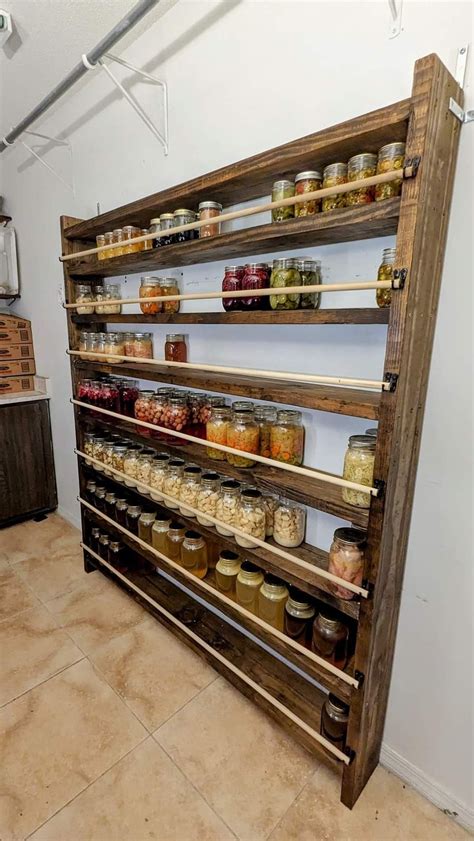
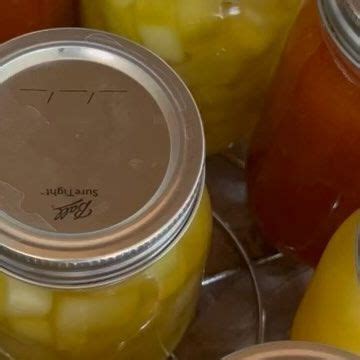
Once your jars are properly sealed and cooled, label them with the date and contents. Store them in a cool, dark place, ideally between 50-70°F (10-21°C). Properly canned tomato sauce can last for up to 12-18 months. Before opening, always inspect the jar: the lid should remain concave, and there should be no signs of mold, unusual discoloration, or a foul odor. If anything seems off, err on the side of caution and discard the contents.
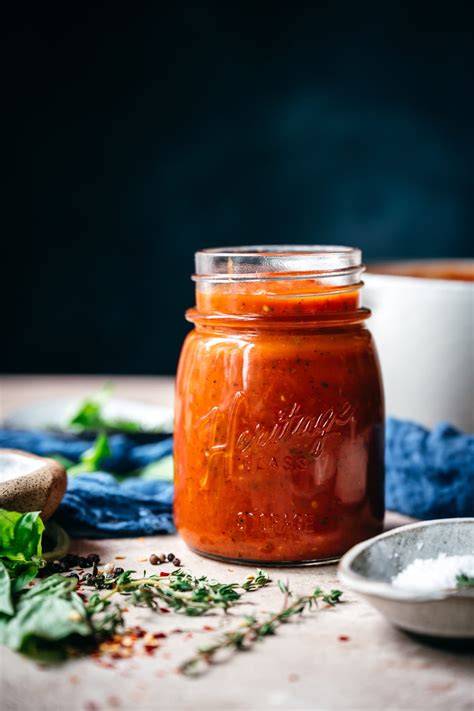
Canning homemade tomato sauce is a fulfilling way to preserve the bounty of your garden. By understanding and diligently following these safety guidelines, you can confidently enjoy your delicious, home-canned sauce, knowing it’s safe for your family and friends. Happy canning!