Safest way to preserve excess garden zucchini for winter without freezing?
Embracing Abundance: Preserving Zucchini Without the Freezer
The garden bounty of zucchini can feel endless in peak summer, leading many to search for creative ways to extend its delicious life beyond the growing season. While freezing is a popular option, it’s not the only method. For those seeking alternative, non-freezing preservation techniques, several safe and effective options exist that can keep your excess zucchini enjoyable all winter long, adding depth and flavor to your cold-weather meals.
Moving beyond the freezer often involves traditional methods that enhance flavor and texture, offering versatile ingredients for future culinary adventures. Let’s explore the safest and most satisfying ways to put up your zucchini harvest.
Dehydrating: Crispy Chips and Versatile Flakes
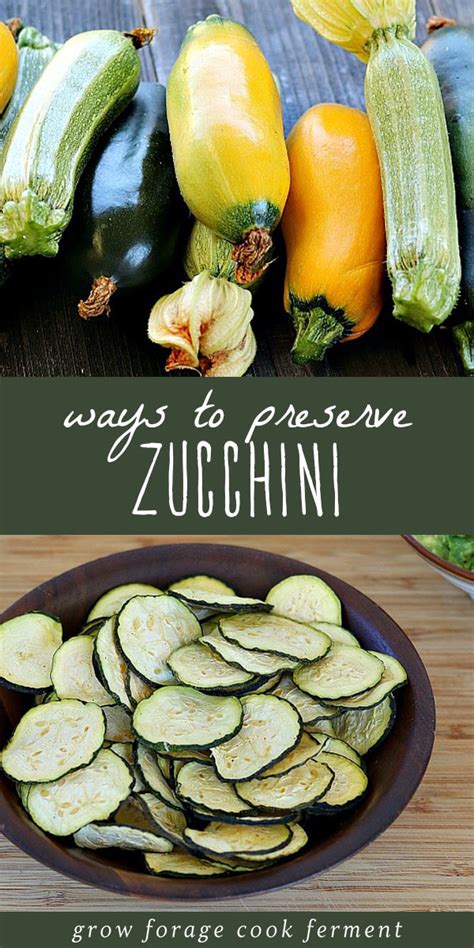
Dehydrating zucchini is an excellent way to reduce its volume significantly while concentrating its flavor. This method is incredibly safe and doesn’t require specialized equipment beyond a dehydrator or even a low-temperature oven.
How to Dehydrate Zucchini:
- Preparation: Wash the zucchini thoroughly. You can peel it or leave the skin on, depending on your preference. Slice the zucchini into thin, uniform rounds or julienne strips (about 1/8 to 1/4 inch thick).
- Optional Blanching: For best results and to preserve color, quickly blanch zucchini slices in boiling water for 1-2 minutes, then immediately plunge into ice water. Pat dry thoroughly.
- Drying: Arrange slices in a single layer on dehydrator trays. Dry at 125-135°F (50-57°C) for 6-12 hours, or until brittle. In an oven, use the lowest setting with the door slightly ajar to allow moisture to escape.
- Storage: Once completely cool and dry, store in airtight containers or vacuum-sealed bags in a cool, dark place. Dehydrated zucchini can last for a year or more.
Use dehydrated zucchini chips as healthy snacks, rehydrate flakes for soups and stews, or grind them into a powder to add nutrients to sauces and baked goods.
Canning Zucchini: Pickles, Relishes, and Chutneys
Canning is a time-honored preservation method that transforms zucchini into delicious condiments and side dishes. It’s crucial to follow tested recipes for safety, especially when canning low-acid vegetables like zucchini. To make zucchini safe for water bath canning, it must be acidified through pickling.
Popular Canning Recipes:
- Zucchini Pickles: Crisp and tangy, zucchini pickles are made with vinegar, spices, and often dill or garlic. They are excellent alongside sandwiches or as a snack.
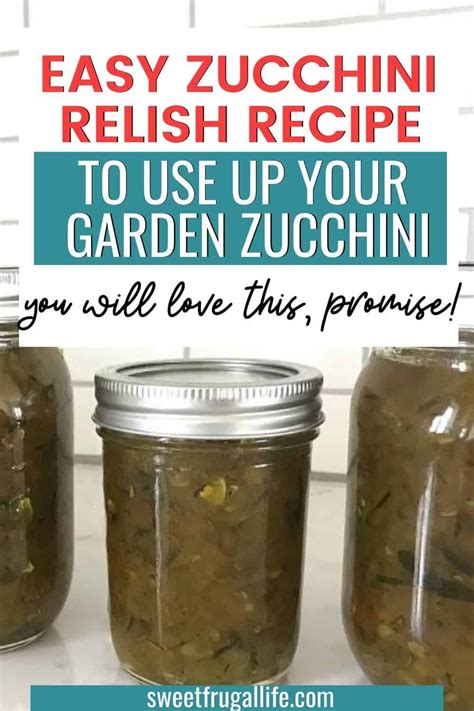
- Zucchini Relish: A flavorful mixture of shredded zucchini, bell peppers, onions, and spices, cooked in a vinegar brine. Perfect for hot dogs, burgers, or as a condiment.
- Zucchini Chutney: A sweet and savory preserve often made with vinegar, sugar, fruit, and warming spices. It pairs wonderfully with roasted meats or cheese boards.
Always use a boiling water bath canner for these high-acid zucchini products and ensure jars are properly sealed for shelf-stable storage. These canned goods can safely last for at least a year.
Fermenting Zucchini: Probiotic-Rich Goodness
Lacto-fermentation is another ancient preservation technique that not only preserves zucchini but also enhances its flavor and boosts its nutritional value with beneficial probiotics. It’s surprisingly simple and requires minimal equipment.
Basic Fermented Zucchini:
- Preparation: Wash zucchini and slice it into spears, rounds, or shred it.
- Brine: Prepare a brine by dissolving non-iodized salt in water (typically 2-3 tablespoons per quart of water).
- Pack Jars: Pack zucchini tightly into clean glass jars, adding any desired aromatics like dill, garlic, or peppercorns.
- Ferment: Pour the brine over the zucchini, ensuring it’s completely submerged (use a fermentation weight if necessary). Seal the jar with an airlock lid or a regular lid burped daily. Ferment at room temperature for 5-14 days, or until desired sourness is reached.
- Storage: Once fermented, transfer to the refrigerator where it will keep for several months.
Fermented zucchini offers a tangy, unique flavor that can be enjoyed as a side dish, in salads, or as a healthy snack.
Zucchini Leather: Sweet and Savory Snacks
Similar to fruit leather, zucchini leather is a delightful way to preserve zucchini, often combined with fruits or spices. It’s made using a dehydrator and results in a chewy, portable snack.
Making Zucchini Leather:
- Puree: Blend raw or lightly steamed zucchini with a small amount of water or fruit juice until smooth. For a sweeter treat, add applesauce, berries, or a touch of honey. For savory, add herbs and spices.
- Spread: Spread the puree thinly and evenly onto dehydrator trays lined with non-stick sheets or parchment paper.
- Dehydrate: Dry at 135°F (57°C) for 6-12 hours, or until pliable and no longer sticky.
- Store: Once cool, roll the leather in parchment paper and store in an airtight container for several weeks at room temperature, or longer in the refrigerator.
General Tips for Successful Non-Freezing Preservation
- Start Fresh: Always begin with firm, unblemished zucchini for the best results.
- Cleanliness is Key: Sanitize all equipment, jars, and utensils to prevent spoilage.
- Follow Recipes: Especially for canning, use tested recipes from reputable sources to ensure food safety.
- Proper Storage: Store all preserved goods in a cool, dark, and dry place away from direct sunlight and temperature fluctuations.
- Labeling: Clearly label all jars and containers with the contents and date of preservation.
By exploring these non-freezing preservation methods, you can significantly extend the enjoyment of your garden’s zucchini harvest. Each technique offers a unique texture and flavor profile, ensuring that your winter pantry is stocked with versatile and delicious zucchini products, ready to be incorporated into countless meals.