

Safest way to preserve garden tomatoes for year-round country cooking?
Capturing Summer’s Bounty: Preserving Garden Tomatoes
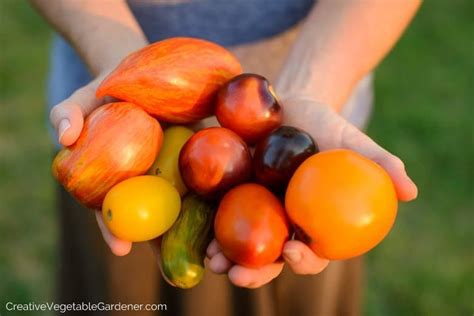
There’s nothing quite like the taste of a sun-ripened tomato straight from the garden. For those who embrace country living, the annual tomato harvest is a cherished event, but the challenge lies in making that vibrant flavor last beyond the summer months. Fortunately, with proper techniques and a focus on food safety, you can enjoy your homegrown tomatoes in hearty stews, rich sauces, and comforting casseroles throughout the year.
This guide will walk you through the safest and most reliable methods to preserve your tomato crop, ensuring delicious results for all your year-round country cooking.
Understanding Tomato Acidity and Food Safety
Before diving into preservation methods, it’s crucial to understand the role of acidity in tomatoes. Tomatoes are typically considered high-acid foods, but their acidity can vary depending on the variety, ripeness, and growing conditions. For safe home canning, it’s essential to ensure adequate acidity to prevent the growth of harmful bacteria like Clostridium botulinum. This often means adding a bit of lemon juice or citric acid to your canning jars, even with traditionally high-acid varieties.
Water Bath Canning: The Time-Honored Method
Water bath canning is a popular and effective method for preserving high-acid foods. It involves processing sealed jars in boiling water for a specified time, creating a vacuum seal that keeps food shelf-stable. This method is ideal for plain crushed tomatoes, whole or halved peeled tomatoes, and tomato juice. Always add a tablespoon of bottled lemon juice or 1/4 teaspoon of citric acid per pint jar (or double for quarts) to ensure safety, even if you think your tomatoes are acidic.
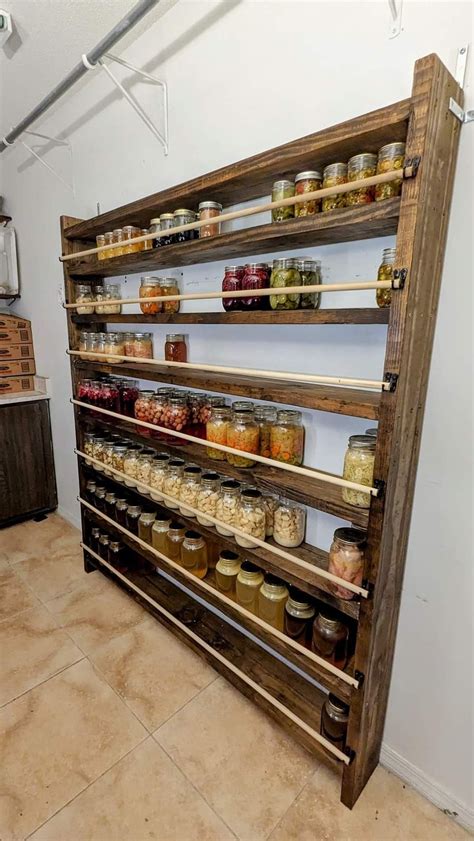
Ensure all your equipment – jars, lids, and tools – are sterilized, and follow tested recipes precisely for processing times. Properly canned tomatoes can last for a year or more in a cool, dark pantry.

Freezing: Simplicity with Flavor Retention
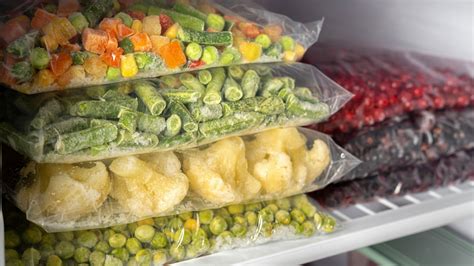
For those seeking a less labor-intensive approach, freezing is an excellent option that preserves much of the fresh flavor. Tomatoes can be frozen in various forms:
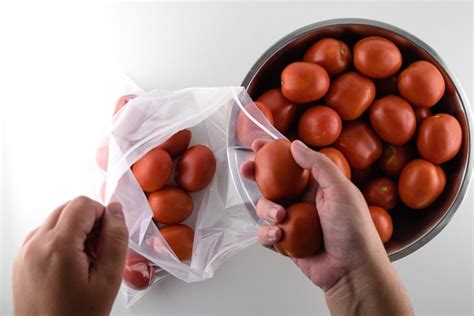
- Whole or Halved: Wash, core, and flash freeze on a baking sheet before transferring to freezer bags. The skins will slip off easily once thawed.
- Crushed or Pureed: Cook down tomatoes into a sauce or puree, then freeze in portion-sized containers or freezer bags.
- Roasted: Roast tomatoes with herbs and garlic, then freeze for ready-to-use flavorful additions to winter dishes.
Freezing doesn’t require adding acid and is very forgiving. While the texture of thawed, raw tomatoes might be softer, they are perfect for cooking into sauces, soups, and stews, making them incredibly versatile for country kitchen recipes.
Dehydrating: Concentrating Flavor
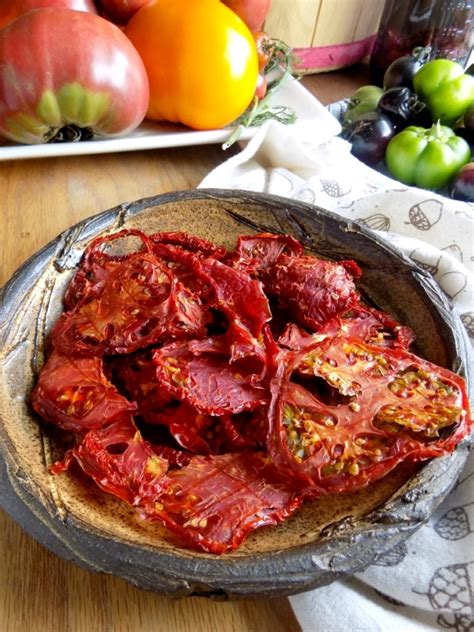
Dehydrating tomatoes is another safe and space-saving method, yielding intensely flavored ‘sun-dried’ tomatoes perfect for adding a burst of umami to winter meals. You can use an electric dehydrator or, if you live in a hot, dry climate, true sun-drying. Slice tomatoes uniformly and dry until leathery but still pliable. Store dried tomatoes in airtight containers at room temperature or in the refrigerator.
They can be rehydrated in water or broth for use in cooking, added directly to hot dishes, or packed in olive oil (ensure proper sterilization if storing in oil long-term, or refrigerate).
Creating Sauces, Pastes, and Crushed Tomatoes
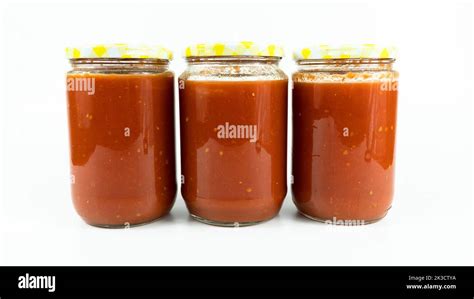
Transforming your fresh tomatoes into ready-to-use products like sauces, pastes, or crushed tomatoes is a fantastic way to prepare them for year-round enjoyment. Cook down your tomatoes, adding desired seasonings, and then process them using either water bath canning (if acidified correctly) or by freezing. Making large batches of marinara, pizza sauce, or a simple crushed tomato base will be a lifesaver on busy cooking days.
These prepared forms are incredibly convenient for country cooking, ready to be simmered with meats, vegetables, or used as a base for hearty casseroles.
Essential Tips for Safe and Successful Preservation
- Use Ripe, Unblemished Tomatoes: Start with the best quality produce. Avoid overripe or damaged tomatoes.
- Follow Tested Recipes: Always use current, tested recipes from reliable sources like university extension services (e.g., NCHFP – National Center for Home Food Preservation) for canning.
- Sanitation is Key: Thoroughly wash all tomatoes, equipment, and your hands.
- Proper Acidification for Canning: Do not skip the added lemon juice or citric acid for water bath canning.
- Label and Store: Label all preserved goods with the date and contents. Store canned goods in a cool, dark place and frozen items in a consistently cold freezer.

Conclusion: A Taste of Summer All Year Long
Preserving your garden tomatoes is a rewarding aspect of country living. By understanding the principles of food safety and employing reliable methods like canning, freezing, and dehydrating, you can effectively capture the essence of summer’s bounty. Imagine the warmth of a homemade tomato soup or a hearty pasta sauce on a cold winter’s night, all thanks to your efforts in the late summer. Embrace these techniques, and your country kitchen will never be without the comforting, fresh taste of homegrown tomatoes.