


Safest way to store root vegetables from the fall garden over winter?
As the vibrant colors of autumn begin to fade, avid gardeners turn their attention from harvesting summer delights to preparing their fall bounty for the colder months. Root vegetables, such as carrots, potatoes, beets, and parsnips, are staples that, with proper care, can provide fresh produce long after the first frost. The key to successful winter storage lies in understanding the specific needs of these hearty crops.
Understanding the Basics of Root Vegetable Storage
The primary goal when storing root vegetables is to mimic their natural underground environment: cool, dark, and humid. These conditions prevent spoilage, sprouting, and dehydration, preserving their flavor and nutritional value. Different vegetables have slightly varied ideal conditions, but the general principles remain consistent.
Harvesting and Preparation: The First Critical Steps
Proper harvesting is crucial for long-term storage. Most root vegetables should be dug up before the ground freezes solid. Be gentle to avoid bruising or cutting the vegetables, as damaged areas are entry points for rot.
Curing Some Vegetables
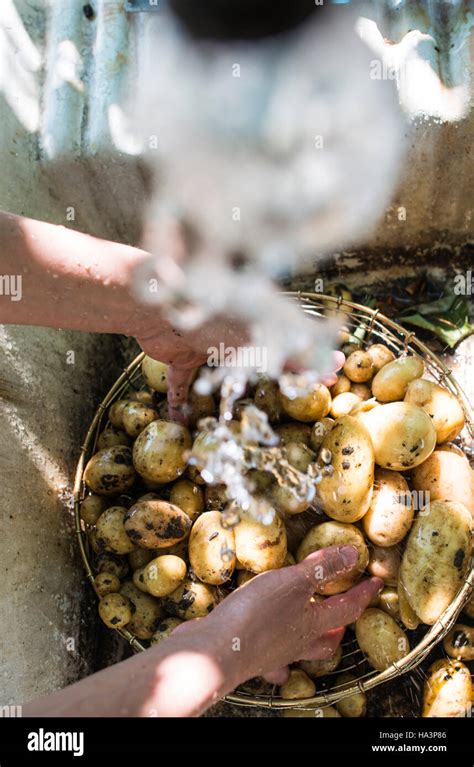
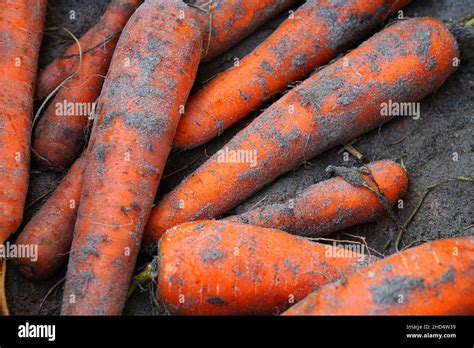
Potatoes, sweet potatoes, and winter squash benefit from a “curing” period after harvest. This involves exposing them to warmer, humid conditions for about 1-2 weeks. Curing helps to toughen their skins, heal minor nicks, and improve their storage life. For most other root vegetables like carrots, beets, and parsnips, a curing period is not necessary; simply brush off excess soil (do not wash them unless absolutely necessary and then dry them thoroughly) and remove the green tops, leaving about an inch of stem to prevent bleeding and moisture loss.
Ensure all vegetables are dry before storage. Any moisture can lead to mold and rot. Inspect each vegetable for signs of disease, damage, or pests; only perfect specimens should be selected for long-term storage.
Popular Methods for Winter Root Vegetable Storage
Several methods can be employed, depending on your available resources and the quantity of vegetables. Each aims to provide a stable, cool, and somewhat humid environment.
1. Root Cellar or Unheated Basement
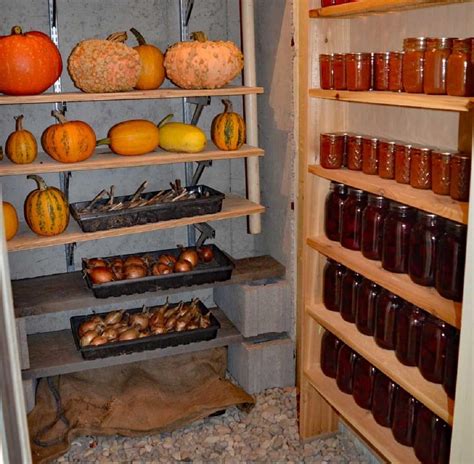
The traditional root cellar is ideal. Lacking one, an unheated basement, garage, or even a cool closet can work. The ideal temperature range is typically 35-50°F (2-10°C) with high humidity (85-95%). Store vegetables in slatted crates, mesh bags, or bins to allow for air circulation. Avoid storing apples or other fruits nearby, as they release ethylene gas, which can cause root vegetables to spoil or sprout faster.
2. Layering in Sand, Peat Moss, or Sawdust
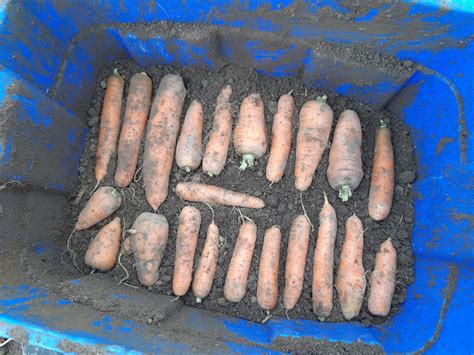
This method is excellent for carrots, beets, parsnips, and turnips. In a sturdy container (like a plastic bin or wooden crate), layer the vegetables with moist (not wet) sand, peat moss, or sawdust. Ensure the vegetables aren’t touching each other. The medium helps maintain humidity and prevents dehydration. Store the container in a cool, dark place.
3. In-Ground Storage (Mound or Trench)
For some hardier root vegetables, leaving them in the ground can be an option in milder climates or with adequate protection. Cover the rows with a thick layer of straw, leaves, or even an old carpet to insulate the soil and prevent freezing. Dig them up as needed throughout the winter. This method works well for carrots, parsnips, and Jerusalem artichokes.
4. Refrigeration
While not practical for large quantities, a refrigerator crisper drawer is suitable for smaller batches of many root vegetables. Place them in perforated plastic bags or wrap them in damp paper towels to maintain humidity. Keep an eye on them and use them within a few weeks to a couple of months.
Monitoring and Troubleshooting
Periodically check your stored vegetables for any signs of spoilage, mold, or sprouting. Remove any affected vegetables immediately to prevent the problem from spreading. Adjust humidity levels if needed – a pan of water in the storage area can help increase humidity, while improved ventilation can reduce it. With a little planning and care, your fall harvest can provide delicious, nutritious food all winter long.

By implementing these strategies, you can significantly extend the life of your root vegetables, ensuring a supply of fresh, homegrown produce even when snow covers the garden.