


Safest ways to preserve autumn garden bounty for a year-round real food pantry?
Embracing the Abundance: Why Preserve Your Autumn Harvest?
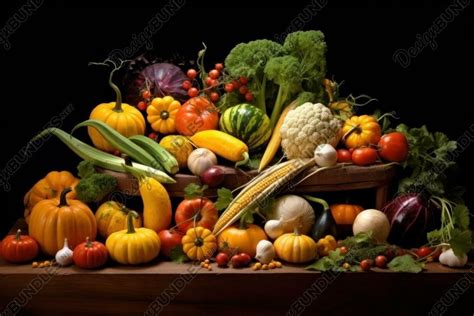
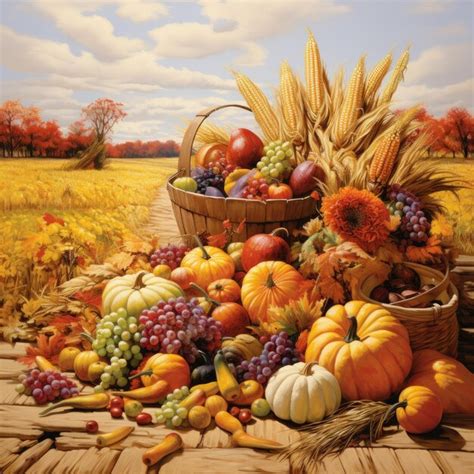
As the days shorten and the air crisps, the autumn garden bursts forth with a final, spectacular bounty. Tomatoes ripen in a rush, squash swells on the vine, and root vegetables reach their peak. For anyone passionate about real food and self-sufficiency, this harvest isn’t just a seasonal pleasure; it’s an opportunity to build a resilient, healthy pantry that sustains you through the lean months.
Preserving your garden’s yield not only ensures access to nutritious, home-grown food year-round but also deepens your connection to the land and reduces reliance on store-bought alternatives. The key, however, lies in understanding and implementing safe, effective preservation techniques.
Canning: Sealing in Freshness and Flavor
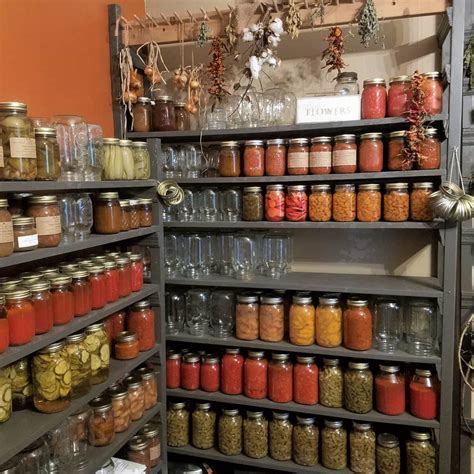
Canning is perhaps the most iconic method of food preservation, transforming perishable produce into shelf-stable jars of goodness. There are two primary methods: water bath canning for high-acid foods (fruits, pickles, jams, jellies, and properly acidified tomatoes) and pressure canning for low-acid foods (most vegetables, meats, and seafood).
Water Bath Canning: Ideal for acidic foods, this method involves submerging filled jars in boiling water to create a vacuum seal. It’s relatively simple but requires strict adherence to tested recipes to ensure adequate acidity for safety.
Pressure Canning: Essential for low-acid foods, pressure canning reaches temperatures high enough to destroy Clostridium botulinum spores, which thrive in low-acid, oxygen-free environments. This method requires a pressure canner and careful monitoring of pressure and processing times.
Safety Essentials: Always use sterilized jars and lids, follow USDA-tested recipes precisely, ensure proper headspace, and check for strong seals after cooling. Never taste-test food from a jar with a compromised seal or any signs of spoilage.
Freezing: The Easiest Way to Lock in Nutrients
Freezing is often the simplest and quickest preservation method, retaining much of the fresh flavor and nutritional value of your produce. Most vegetables benefit from blanching (briefly boiling, then rapidly cooling) before freezing to halt enzyme activity and preserve color, texture, and nutrients.
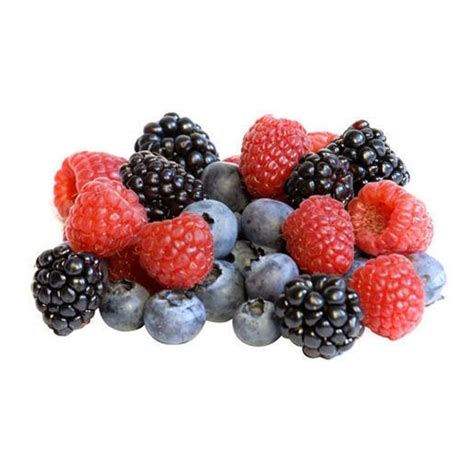
Fruits, on the other hand, can often be frozen raw, either whole, sliced, or pureed. Spreading them in a single layer on a baking sheet before transferring to freezer bags prevents clumping and allows for easy portioning.
Best Practices: Ensure foods are properly cooled before freezing, remove as much air as possible from packaging (vacuum sealers are excellent), and label everything with the contents and date. Use freezer-safe containers or bags to prevent freezer burn and maintain quality for 8-12 months.
Dehydrating: Concentrating Flavors and Nutrients
Dehydration removes water content from food, inhibiting microbial growth and enzyme activity, resulting in lightweight, shelf-stable ingredients. This method is fantastic for herbs, fruit leathers, sun-dried tomatoes, mushroom slices, and even jerky.
While sun-drying is traditional, a food dehydrator or a low-temperature oven offers more control and consistent results. Slice foods thinly and evenly for uniform drying. Ensure proper air circulation.
Dehydrating Safety: Foods must be dried until crisp and leathery, with no moisture remaining. Store dehydrated items in airtight containers in a cool, dark place to prevent rehydration and spoilage. Conditioning (shaking jars of dried food daily for a week to redistribute any residual moisture) is a good practice.
Fermentation and Root Cellaring: Traditional Wisdom Reimagined
Fermentation: This ancient method uses beneficial microorganisms to transform food, enhancing flavor, nutrient availability, and shelf life. Think sauerkraut, kimchi, and lacto-fermented pickles. Fermentation can be done with simple ingredients (vegetables, salt, water) and glass jars, creating probiotic-rich foods that contribute to gut health.
Root Cellaring/Cool Storage: For hardy root vegetables like potatoes, carrots, beets, and winter squash, a cool, dark, and moderately humid environment can preserve them for months without electricity. A dedicated root cellar, a cool basement corner, or even insulated bins can work. Ensure vegetables are clean, cured (if necessary, like squash), and free of blemishes before storing.

Essential Safety Tips for Every Method
- Cleanliness is Paramount: Always start with clean hands, utensils, countertops, and produce.
- Use Fresh, Quality Produce: Preserve only unblemished, peak-condition produce. Overripe or damaged food can lead to spoilage.
- Follow Tested Recipes: Especially for canning, always use USDA-approved or extension office recipes. Do not improvise.
- Understand Your Equipment: Read manuals for canners, dehydrators, and other tools thoroughly.
- Label and Date: Clearly label all preserved foods with contents and date of preservation.
- Inspect Before Use: Before consuming, always check preserved foods for any signs of spoilage (off-odors, mold, bulging lids, cloudy liquid, or unusual texture). When in doubt, throw it out.

Building Your Year-Round Real Food Pantry
Transforming your autumn garden bounty into a year-round real food pantry is a rewarding journey. It’s an act of self-reliance, a commitment to healthy eating, and a joyful connection to the seasons. By safely employing these preservation methods, you can savor the flavors and nutrients of your harvest long after the last frost.
Start small, experiment with methods that fit your lifestyle, and soon you’ll have shelves stocked with delicious, wholesome food you grew and preserved yourself. Happy harvesting and preserving!

