Secret to a consistently flaky homemade pie crust for country baking?

Embracing the Art of the Flaky Crust
There’s nothing quite like a homemade pie, especially one born from country baking traditions. And at the heart of every great pie is a crust that’s not just golden brown, but beautifully flaky, tender, and melt-in-your-mouth delicious. Many home bakers find achieving this consistent flakiness a challenge, but with a few key techniques and a little patience, you can master the secret to a perfect crust every time.
The Cornerstone: Cold, Quality Ingredients
The single most important secret to a flaky pie crust lies in the temperature of your ingredients, specifically your fat and water. For true flakiness, you need solid bits of fat (butter, shortening, or a combination) embedded in the dough. As the pie bakes, these fat pockets melt, releasing steam that pushes apart the layers of dough, creating those desirable flakes.
Always use very cold butter, cut into small cubes, or chilled shortening. Many experts swear by a mix of both: butter for flavor and shortening for tenderness and easier handling. Your water must also be ice cold – some even add a few ice cubes to their water to ensure it stays frigid.

Mastering the Mix: Less is More
Once your ingredients are cold, the next secret is in how you combine them. Overworking pie dough is the nemesis of flakiness. Over-mixing develops gluten in the flour, leading to a tough, bready crust instead of a tender, flaky one. Your goal is to work quickly and gently, keeping the fat bits distinct.
Whether you’re using a food processor or your hands, aim to incorporate the fat into the flour until the mixture resembles coarse meal with some pea-sized pieces of fat still visible. Then, add the ice water a tablespoon at a time, just until the dough comes together. It should be shaggy, not sticky, and barely hold its shape when squeezed. Stop mixing the moment it forms a cohesive ball.
The Chill Factor: Patience Pays Off
After mixing, resist the urge to roll out your dough immediately. Chilling is a crucial step that allows the gluten to relax and the fat to firm up again. Wrap your dough tightly in plastic wrap and refrigerate it for at least 30 minutes, or ideally, an hour or two. This relaxation prevents shrinkage during baking and makes the dough much easier to roll without tearing. You can even make pie dough a day or two in advance!

Rolling with Precision: A Gentle Hand
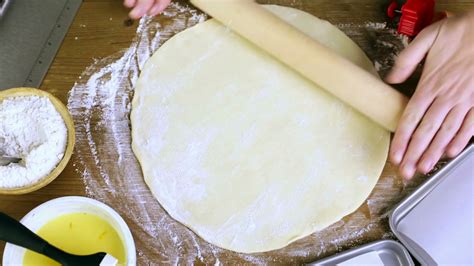
When it’s time to roll, work on a lightly floured surface. Dust your rolling pin and the top of your dough lightly as well. Start from the center and roll outwards, turning the dough frequently to ensure even thickness and to prevent sticking. Aim for a consistent thickness, usually about 1/8 inch. If the dough starts to warm up or stick, pop it back into the fridge for 10-15 minutes.
Don’t be afraid if the edges crack a little; you can usually patch them up. The key is to handle the dough as little as possible, allowing those precious fat pockets to remain intact.
Baking for Brilliance: The Right Temperature
Finally, baking temperature plays a role in achieving that glorious flakiness. Many recipes call for starting the pie in a very hot oven (400-425°F or 200-220°C) for the first 15-20 minutes, then reducing the temperature for the remainder of the baking time. The initial high heat creates a burst of steam from the melting fat and cold water, causing the layers to puff up and separate, resulting in an exceptionally flaky crust.
Whether you’re blind baking a crust or filling it straight away, ensuring your oven is preheated to the correct temperature is non-negotiable. And remember, every oven is different, so keep an eye on your pie for perfect golden-brown results.
Practice Makes Perfect
The secret to a consistently flaky homemade pie crust for country baking isn’t just one step, but a symphony of cold ingredients, gentle handling, patient chilling, and smart baking. Don’t be discouraged if your first attempt isn’t perfect; like all good country traditions, perfecting your pie crust is a skill that improves with practice. Soon, you’ll be turning out show-stopping pies with flaky crusts that are the envy of every potluck.