Secret to flaky, never-soggy pie crust for homemade fruit pies?

The Quest for the Perfect Pie Crust
There’s nothing quite like a homemade fruit pie, but a truly great one hinges on its crust: golden, flaky, and robust enough to stand up to juicy fillings without turning into a soggy mess. Many home bakers consider a flawless crust the ultimate challenge, but with a few tried-and-true secrets, you can achieve professional-level results every time.
![[200+] Cold Pictures | Wallpapers.com](/images/aHR0cHM6Ly90czEubW0uYmluZy5uZXQvdGg/aWQ9T0lQLmpXSGR1X0cyN2J6eHBPSTV1ckpjWlFIYUV0JnBpZD0xNS4x.webp)
It Starts Cold: Ingredients and Equipment
The cardinal rule of flaky pie crust is keeping everything as cold as possible. Cold fat (butter, shortening, or a combination) is crucial because it creates steam pockets during baking, which separate the layers of dough, resulting in flakiness. If your fat is too warm, it will melt into the flour, leading to a tough, dense crust.
- Butter: Use unsalted, high-quality butter, cut into small cubes and chilled thoroughly in the freezer for 15-30 minutes before mixing.
- Water: Ice water is non-negotiable. Add ice cubes to a cup of water and let it sit for a few minutes before measuring out what you need.
- Flour: All-purpose flour is usually best. Keep it cool if your kitchen is warm.
The Right Fat and Its Method
While all-butter crusts are renowned for their flavor, incorporating other fats can enhance flakiness and workability:
- Butter Only: Superior flavor, but can be a bit trickier to handle.
- Butter and Shortening/Lard: A 50/50 mix or a higher ratio of shortening/lard can make a crust incredibly flaky and easier to roll out, as these fats have higher melting points.
When mixing, work quickly and avoid overworking the dough. You want visible pieces of fat throughout – these are your future flakes. A food processor can make this process incredibly fast, but a pastry blender or your fingertips can also work well, as long as you maintain cold temperatures.
Mastering the Mix and Chill
Once your fat is cut into the flour, gradually add ice water, a tablespoon at a time, until the dough just comes together. It should be shaggy but cohesive when pressed. Over-mixing develops gluten, leading to a tough crust. Form the dough into a disc, wrap it tightly in plastic, and refrigerate for at least 30 minutes, or preferably an hour or two. This rest period allows the gluten to relax, making the dough easier to roll and preventing shrinkage.
The Ultimate Defense: Preventing Soggy Bottoms
This is often the biggest hurdle with fruit pies, which release a lot of moisture during baking. Here’s how to build an impenetrable shield:
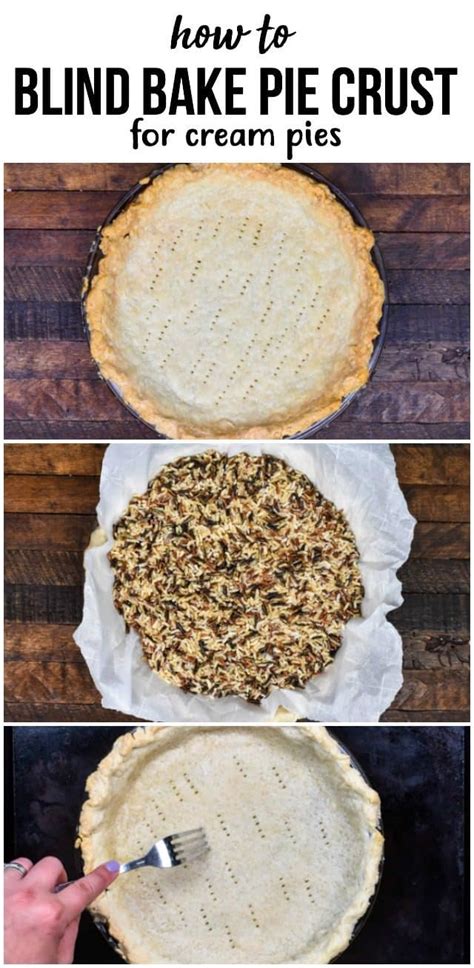
- Blind Baking (Par-Baking): For most fruit pies, blind baking the bottom crust is essential. Roll out your dough, fit it into the pie plate, crimp the edges, and then chill it again for at least 15 minutes. Line the chilled crust with parchment paper and fill with pie weights, dried beans, or rice. Bake at 400°F (200°C) for 15-20 minutes, then remove the weights and parchment and bake for another 5-10 minutes until lightly golden. This pre-cooks the crust, creating a barrier.
- Egg Wash or Barrier Layer: After blind baking and while the crust is still warm, brush it with a thin layer of egg white (or a whole egg beaten with a teaspoon of water) and bake for another 2-3 minutes. This creates a waterproof seal. Alternatively, sprinkle a thin layer of fine breadcrumbs, crushed cornflakes, or even a teaspoon of cornstarch or flour over the bottom of the crust before adding the filling. These absorb excess moisture.
- Hot Oven Start: Many pie recipes recommend starting the pie in a hot oven (425°F / 220°C) for the first 15-20 minutes, then reducing the temperature. The initial high heat helps to set the bottom crust quickly before the filling has a chance to soak in.
Baking to Perfection
Once filled, place your pie on a baking sheet to catch any drips and to help conduct heat to the bottom crust. Tent the edges of the crust with foil if they start to brown too quickly. Bake until the filling is bubbling and the top crust is golden brown. Let the pie cool completely on a wire rack before slicing. This allows the filling to set properly and prevents it from spilling out, which can re-soggify your carefully crafted crust.

Your Perfect Pie Awaits
With these techniques in your baking arsenal – cold ingredients, proper fat usage, minimal handling, and strategic moisture prevention – you’re well on your way to creating consistently flaky, never-soggy pie crusts that will make your homemade fruit pies truly unforgettable. Happy baking!