Secret to light, flaky homemade biscuits using lard for breakfast?

Unlocking the Flaky Magic of Lard in Homemade Biscuits
There’s a universally acknowledged truth in the world of baking: the perfect biscuit is a thing of beauty. Light, airy, and boasting ethereal layers that practically melt in your mouth, it’s the stuff breakfast dreams are made of. While many ingredients promise a good crumb, the true connoisseurs know that one ingredient stands head and shoulders above the rest for achieving that coveted, sky-high flakiness: good old-fashioned lard.

Why Lard is the Ultimate Biscuit Fat
Unlike butter, which contains water, lard is pure rendered animal fat. This purity is its superpower. When heated, the water in butter creates steam that contributes to lift, but it also means less pure fat to create those distinct layers. Lard, with its higher melting point and 100% fat content, produces larger, more stable pockets of steam, which translate directly into dramatically higher rise and an incredibly delicate, flaky texture.
The crystal structure of lard also plays a crucial role. It forms flat, plate-like crystals that are excellent at separating flour particles, preventing gluten development and encouraging those distinct layers to form during baking. Butter, while delicious, has a more globular structure that doesn’t quite achieve the same laminar effect.

Mastering the Cold Touch: Techniques for Lard Integration
The secret to harnessing lard’s power lies in keeping everything—especially the lard—as cold as possible. Think icy cold. Pop your lard (and even your flour!) in the freezer for 15-30 minutes before you start. This ensures the lard stays solid as you work, creating distinct pieces rather than melting into the flour.
Step 1: Cubing and Cutting In
Cut your cold lard into small cubes, about half an inch. Then, using a pastry blender, your fingertips, or a food processor (pulsing sparingly), quickly cut the lard into the flour mixture until it resembles coarse meal with some pea-sized pieces still visible. These pea-sized chunks are vital; they will melt in the oven, creating steam pockets that push the layers apart.
Step 2: Minimal Handling is Key
Overworking biscuit dough is the cardinal sin. Warm hands and excessive kneading develop gluten, leading to tough, chewy biscuits instead of tender, flaky ones. Mix the wet and dry ingredients just until combined. The dough should be shaggy and slightly sticky. Resist the urge to keep mixing until it’s perfectly smooth.
Step 3: The Laminate Fold for Maximum Fluff
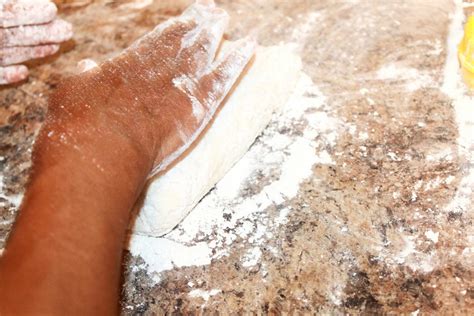
For ultimate flakiness, try a simple laminate fold. Turn the shaggy dough out onto a lightly floured surface. Gently pat it into a rectangle. Fold one-third of the dough over the middle, then fold the other third over that, like folding a letter. Rotate the dough 90 degrees and repeat this folding process 2-3 times. This simple technique creates multiple layers of fat and dough, ensuring that signature flaky texture.
Baking to Golden Perfection
Once your biscuits are cut (avoid twisting the cutter, as it seals the edges and prevents rise), arrange them close together on a baking sheet for softer sides, or spaced apart for crispier edges. Bake in a preheated hot oven (typically 425-450°F or 220-230°C) until golden brown on top and bottom. The high heat helps the lard melt quickly, creating maximum steam and lift before the exterior sets.
The aroma that fills your kitchen will be undeniable proof of your success. Serve these magnificent, lard-infused biscuits warm with butter, jam, gravy, or simply savor them plain. You’ll never look back.