Secret to rich, hearty homemade stew with simple ingredients?

Unlocking Deep Flavor with Basic Ingredients
There’s something uniquely comforting about a bowl of homemade stew – a dish that, despite its humble origins, can deliver a profound depth of flavor. Many believe that achieving a truly rich and hearty stew requires complex techniques or exotic ingredients, but the truth is, the secret lies in mastering a few fundamental steps and understanding how to coax the most out of simple, everyday items. Forget elaborate recipes; your pantry likely holds everything you need to create a masterpiece.
The Foundation: Browning and Aromatics
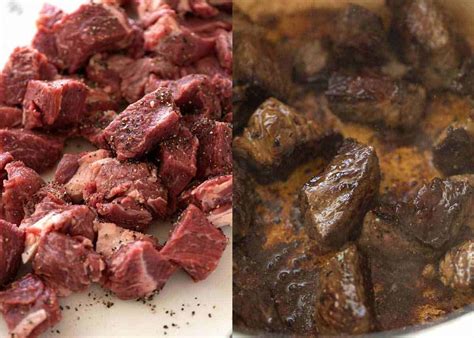
The journey to a truly flavorful stew begins long before the ingredients hit the pot for simmering. The first crucial step is proper browning. Searing your meat (beef, lamb, chicken, or even hearty mushrooms) in batches until a deep brown crust forms on all sides isn’t just about color; it’s about developing intense, savory flavors through the Maillard reaction. This caramelization creates complex flavor compounds that will infuse your entire stew.
Equally important are the aromatics. Onions, carrots, and celery (the classic mirepoix) are your best friends. Sautéing them slowly after browning the meat allows them to soften, release their natural sugars, and deglaze the pot, scraping up all those flavorful browned bits (fond) from the bottom. Garlic, herbs like thyme and bay leaves, and a touch of tomato paste cooked until fragrant will further deepen the flavor profile.
The Liquid Gold: Broth and Wine
Choosing the right liquid is paramount. While water will technically work, a good quality broth (beef, chicken, or vegetable, depending on your stew) is indispensable for a rich stew. It provides a savory backbone that water simply cannot. Don’t be afraid to use a concentrated broth or even a bouillon cube dissolved in water if that’s what you have – just be mindful of the salt content.
For an extra layer of complexity and richness, a splash of red wine (for beef or lamb) or white wine (for chicken or lighter vegetable stews) can work wonders. Allow the wine to simmer and reduce for a few minutes, cooking off the alcohol and leaving behind its concentrated flavor. If you prefer to avoid alcohol, a dark beer, a dash of Worcestershire sauce, or even a bit of balsamic vinegar can offer similar depth.
The Magic of Slow Cooking and Thickening
Patience is a key ingredient. Stews thrive on low, slow heat. This gentle simmering allows tough cuts of meat to tenderize, vegetables to meld their flavors, and all the individual components to marry into a harmonious, rich gravy. Whether on the stovetop, in the oven, or in a slow cooker, give your stew ample time – often 2-3 hours or more – for the flavors to fully develop.
Finally, achieving that signature hearty, thick consistency is straightforward. A common method is to dust the browned meat with a tablespoon or two of flour before adding the liquid, creating a roux as it cooks. Alternatively, a slurry of cornstarch and cold water added towards the end of cooking will thicken it beautifully. For a rustic touch, you can also mash a portion of the cooked vegetables or potatoes against the side of the pot to naturally thicken the liquid.
Embrace Simplicity, Savor the Richness
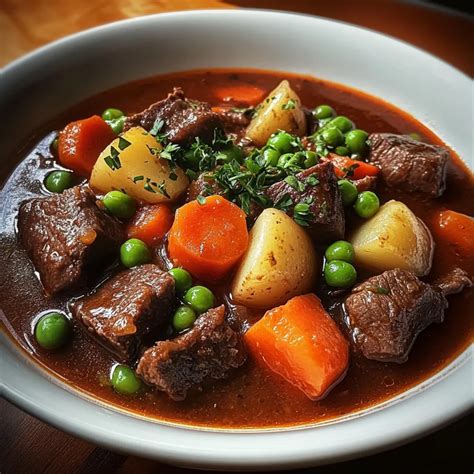
Crafting a rich, hearty homemade stew doesn’t require a gourmet pantry or advanced culinary skills. It’s about respecting each ingredient, building layers of flavor through careful browning and aromatic development, choosing a good liquid base, and allowing time to work its magic. With these simple principles, you can transform humble ingredients into a deeply satisfying and nourishing meal that tastes like it took all day to make – and in some ways, it did, in the best possible way!