




Secret to tender, flaky country biscuits from scratch?
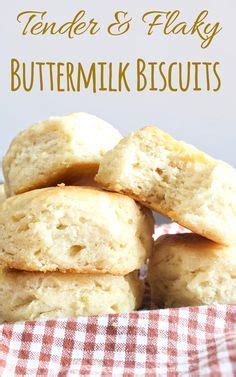
The Enduring Allure of the Perfect Biscuit
There’s nothing quite like a warm, tender, and flaky country biscuit, fresh from the oven, ready to be slathered with butter and jam. It’s a staple of comfort food, a testament to simple ingredients, and often, a source of baking frustration. Many aspire to that ethereal flakiness and melt-in-your-mouth tenderness, but few know the true secrets to achieving it consistently from scratch. Forget dense hockey pucks; we’re diving deep into the art and science of the perfect biscuit.
The Cornerstone: Ultra-Cold Fat
The number one secret to flaky biscuits lies in cold fat, typically unsalted butter or a combination of butter and shortening. When tiny pieces of cold fat melt in a hot oven, they release steam, which creates pockets of air and separates the dough into those coveted flaky layers. If your fat is too warm, it will fully incorporate into the flour, resulting in a dense, cake-like texture rather than distinct layers.
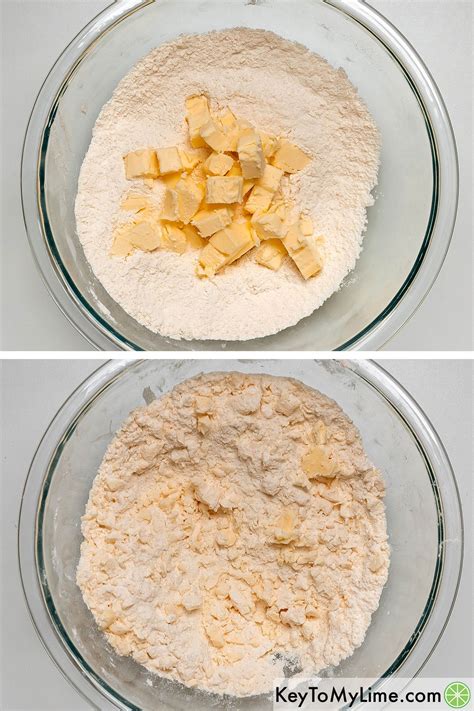
To ensure your fat stays cold, cut it into small cubes and place it in the freezer for 10-15 minutes before using. You can also grate frozen butter directly into your flour mixture for even distribution and minimal handling. Work quickly to cut the fat into the flour until it resembles coarse crumbs with some pea-sized pieces remaining.
The Right Flour and Leavening
While self-rising flour is convenient, using all-purpose flour with added leavening gives you more control. A combination of baking powder and baking soda is often ideal. Baking powder provides the initial lift, while baking soda reacts with acidic ingredients (like buttermilk) to give an extra boost and tenderness. Look for unbleached, all-purpose flour for the best results, as its protein content is balanced for baking.
Master the Art of Minimal Handling
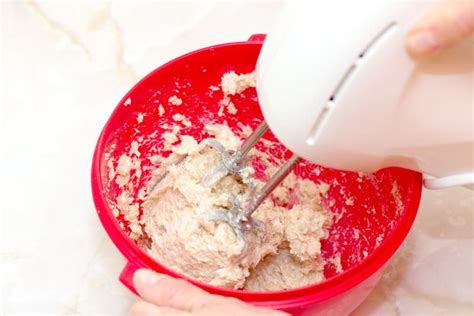
Overworking biscuit dough is a cardinal sin. The more you handle the dough, the more gluten develops, leading to tough, chewy biscuits. Your goal is to mix the wet and dry ingredients just until combined, with a few dry streaks still visible. The dough should be shaggy and somewhat sticky, not smooth. Resist the urge to knead it like bread dough.
The Magic of Buttermilk
Buttermilk isn’t just for flavor; it’s a vital component for tender biscuits. Its acidity reacts with the baking soda, creating carbon dioxide bubbles that help the biscuits rise high and fluffy. The acidity also helps to break down gluten strands, contributing to that desirable tender crumb. If you don’t have buttermilk, you can make a substitute by adding a tablespoon of lemon juice or white vinegar to regular milk and letting it sit for 5-10 minutes.
The Secret to Layers: Folding and Stacking
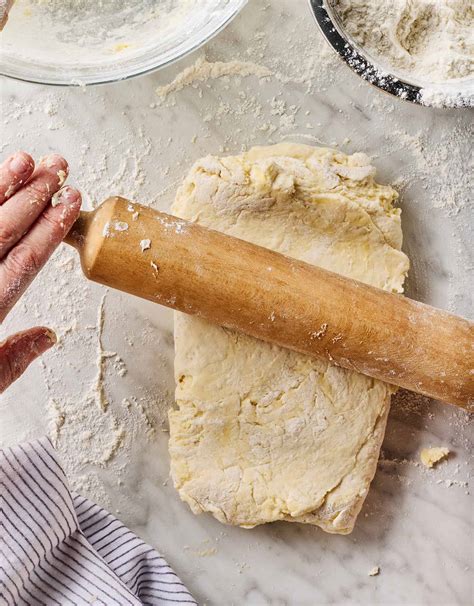
This is where the serious flakiness comes from! Once your dough is barely mixed, turn it out onto a lightly floured surface. Instead of just rolling it out, gently pat it into a rectangle, then fold it into thirds (like a letter). Rotate it, pat it out again, and repeat the fold. Do this 2-3 times. This laminating technique creates multiple thin layers of dough separated by those pockets of cold fat, which will puff up in the oven.
Cutting Techniques for a Perfect Rise
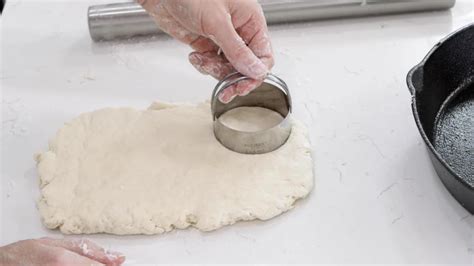
When it comes to cutting, use a sharp biscuit cutter and press straight down without twisting. Twisting the cutter can seal the edges of the biscuit, preventing it from rising properly and forming distinct layers. For best results, dip your cutter in flour between each cut to prevent sticking. Place your cut biscuits close together on the baking sheet for softer sides, or spaced apart for crispier edges.
Hot Oven, Quick Bake
Biscuits love a hot oven. A temperature between 425°F and 475°F (220°C-245°C) is ideal. The high heat causes the steam from the melting fat and the leavening agents to work rapidly, giving the biscuits a quick, dramatic rise. Bake until golden brown on top and bottom, typically 12-18 minutes, depending on your oven and biscuit size.
The Final Flourish: A Touch of Butter
For an extra touch of richness and shine, brush the tops of your freshly baked, hot biscuits with melted butter as soon as they come out of the oven. Serve them immediately, warm and inviting, with your favorite preserves, gravy, or simply a generous pat of butter. The reward for your efforts will be a batch of biscuits so tender and flaky, you’ll wonder why you ever settled for less.
Conclusion: Your Flaky Biscuit Journey
Mastering country biscuits from scratch is a journey of understanding simple science and practicing gentle technique. With ultra-cold fat, minimal handling, strategic folding, and a hot oven, you’re well on your way to creating biscuits that are not just food, but a memory in the making. Don’t be discouraged if your first batch isn’t perfect; every bake gets you closer to biscuit bliss. Happy baking!