
Secret to tender, flavorful Dutch oven pot roast?
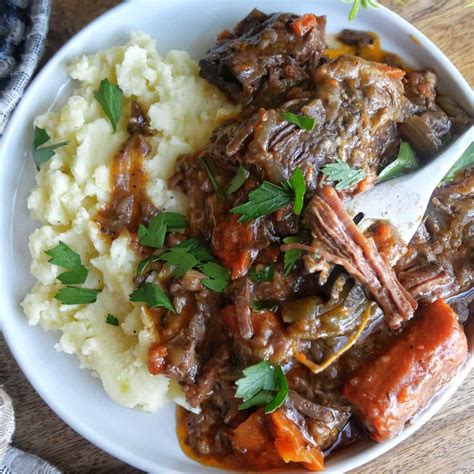
Unlock the secrets to a pot roast that’s not just food, but a culinary experience. Forget dry, tough meat; with a Dutch oven and a few key techniques, you can achieve fork-tender beef infused with deep, savory flavors. This guide will walk you through the essential steps to transform a humble cut of meat into a masterpiece that will have everyone asking for seconds.
The Foundation: Choosing Your Cut Wisely
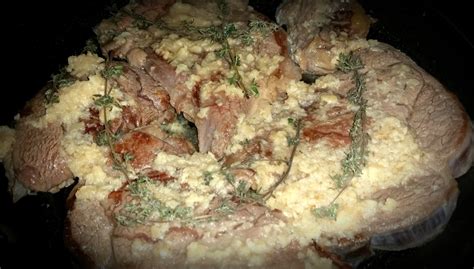
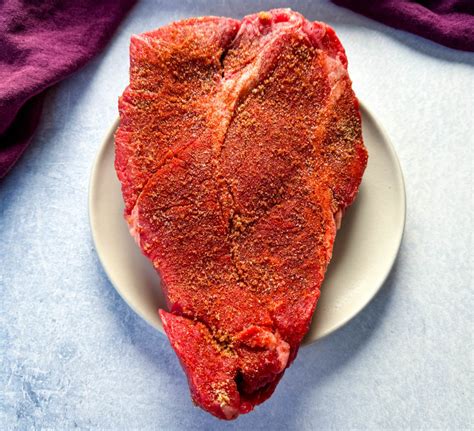
The journey to an incredible pot roast begins with the right cut of meat. For unparalleled tenderness and flavor, look no further than a chuck roast. Its rich marbling and connective tissue are perfect for slow cooking; as they break down, they render into gelatin, basting the meat from within and contributing to that melt-in-your-mouth texture. Other suitable options include brisket or round roast, but chuck is often the most forgiving and flavorful choice.
Building Flavor: Searing and Deglazing
Before any slow cooking begins, searing the meat is non-negotiable. This step isn’t just for aesthetics; it creates a rich, caramelized crust through the Maillard reaction, locking in juices and developing incredible depth of flavor that forms the backbone of your roast. Pat your meat dry thoroughly before searing in a hot Dutch oven with a high smoke point oil until deeply browned on all sides.
Once the meat is seared and removed, the flavorful browned bits (fond) left at the bottom of the pot are gold. Deglaze the pan with a liquid like red wine, beef broth, or even water, scraping up all those delicious pieces. This step incorporates all that concentrated flavor into your braising liquid, ensuring every bite of your roast and gravy is bursting with taste.
Aromatics, Liquids, and Vegetables
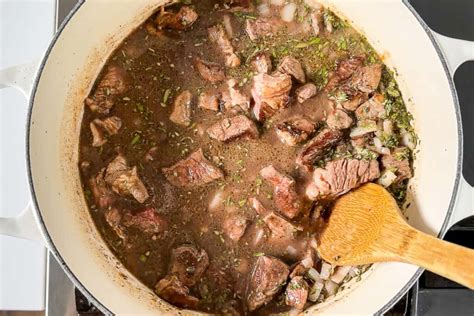
After deglazing, it’s time to build more layers of flavor. Sauté aromatics like onions, carrots, and celery (the holy trinity for many savory dishes) until softened. Garlic, thyme, bay leaves, and rosemary are also fantastic additions that infuse the pot roast with their fragrant essences. Don’t be shy with your seasonings; a generous hand with salt and freshly ground black pepper is crucial.
For your braising liquid, beef broth is a classic choice, but a splash of dry red wine adds complexity. Ensure the liquid comes up about halfway to two-thirds of the way up the side of the roast, not fully submerging it. This allows the top part of the meat to steam gently while the bottom braises, preventing it from boiling and becoming stringy. Add potatoes and additional root vegetables like parsnips or rutabaga during the last hour or two of cooking so they don’t turn to mush.
The Magic of Low and Slow Cooking
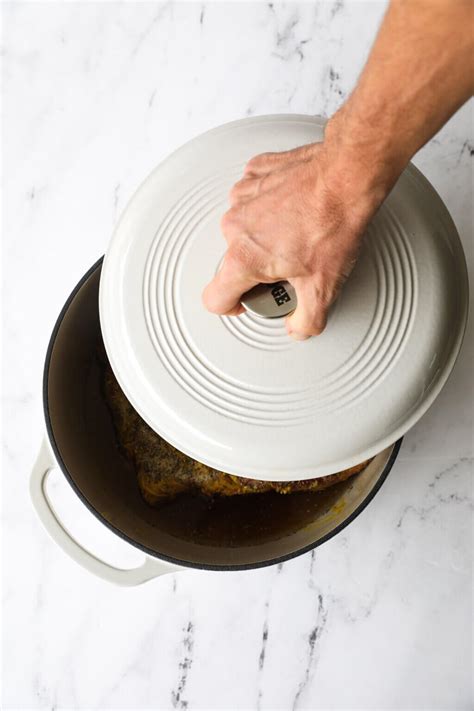
The Dutch oven’s heavy construction and tight-fitting lid are perfect for creating an even, consistent cooking environment, mimicking a slow cooker. Place your Dutch oven, lid on, into a preheated oven at a low temperature, typically between 275°F to 325°F (135°C to 160°C). This gentle heat is key; it slowly breaks down the tough connective tissues in the chuck roast without drying out the meat. A typical 3-4 pound roast will need anywhere from 3 to 4 hours, or even longer, until it’s undeniably fork-tender. Resist the urge to constantly check on it; every time you open the lid, you lose precious heat and moisture.
The Final Touches: Resting and Serving
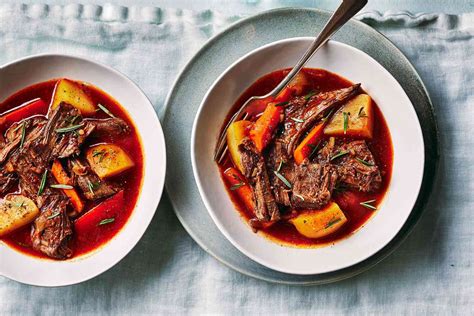
Once your pot roast is cooked to perfection, remove it from the Dutch oven and let it rest on a cutting board, loosely tented with foil, for at least 15-20 minutes. This allows the juices to redistribute throughout the meat, ensuring maximum tenderness and flavor when sliced or shredded. While the meat rests, you can focus on the gravy. Skim any excess fat from the braising liquid, then thicken it on the stovetop with a cornstarch slurry or a roux until it reaches your desired consistency. Adjust seasonings as needed.
Serve the rich, savory gravy generously over slices or chunks of the tender pot roast and accompanying vegetables. A perfectly executed Dutch oven pot roast is more than just a meal; it’s comfort food at its finest, a testament to the power of patient cooking and a few well-honed techniques. Enjoy the deeply satisfying reward of your culinary efforts.