
Secret to tender, flavorful pot roast for Sunday dinner?

A perfectly cooked pot roast is the epitome of comfort food, a centerpiece for family gatherings, especially on a Sunday. But achieving that melt-in-your-mouth tenderness and rich, savory flavor can sometimes feel like a culinary quest. Fear not, for the secrets are simpler than you think, rooted in fundamental cooking techniques and a little patience. Let’s dive into the steps that will elevate your pot roast from good to unforgettable.
Choose the Right Cut of Beef
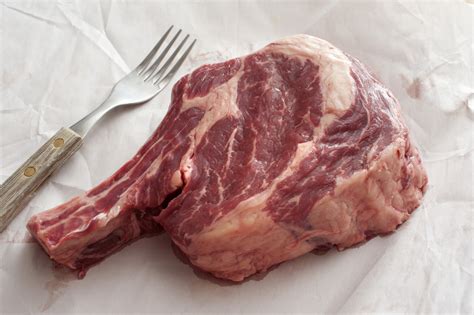
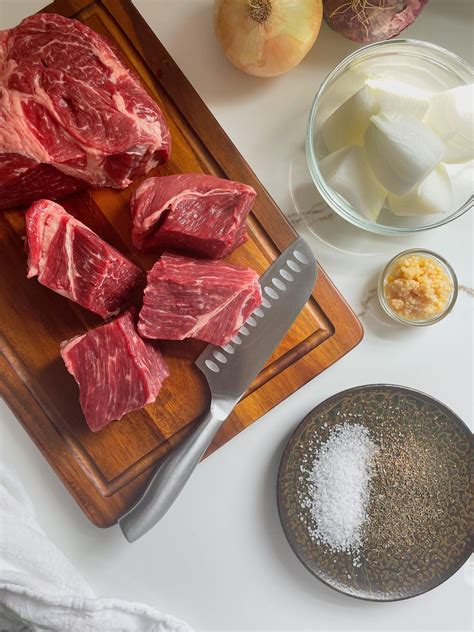
The foundation of a tender pot roast begins with the right cut of meat. While leaner cuts might seem appealing, they won’t yield the same results. For pot roast, you want a cut rich in connective tissue, which breaks down during long, slow cooking to create that desirable gelatinous texture. Chuck roast (also known as chuck eye, chuck roll, or shoulder pot roast) is the undisputed champion. Its marbling and connective tissues are ideal for braising, transforming into incredibly tender meat.
Don’t Skip the Searing
One of the most crucial steps for building deep flavor is searing the meat. Before introducing any liquid, pat your roast dry and sear it aggressively on all sides in a hot, heavy-bottomed pot or Dutch oven until a beautiful, deep brown crust forms. This Maillard reaction creates complex, savory notes that will permeate the entire dish and cannot be replicated otherwise. This golden-brown crust is where a significant portion of your pot roast’s flavor profile originates.
Build a Robust Aromatic Foundation
After searing and removing the meat, it’s time to build your aromatic base. Sautéing onions, carrots, and celery in the same pot, scraping up those flavorful browned bits (fond) from the bottom, is essential. Adding minced garlic, herbs like fresh thyme and bay leaves, and a touch of tomato paste will further deepen the complexity of your braising liquid. This aromatic trinity forms the backbone of your pot roast’s savory character.
The Perfect Braising Liquid
The liquid you choose is just as important as the meat itself. A high-quality beef broth or stock is paramount. You can enhance it with a splash of dry red wine, Worcestershire sauce, or even a little balsamic vinegar for acidity and depth. The liquid should come about halfway to two-thirds up the side of the roast – enough to braise, but not completely submerge, allowing the top of the meat to develop a slightly crusty exterior.
Low and Slow is the Golden Rule
Patience is a virtue when it comes to pot roast. The secret to tenderness lies in cooking it at a low temperature for an extended period. Whether in the oven (around 300-325°F / 150-160°C) or a slow cooker, this gentle heat allows the collagen in the connective tissue to slowly melt into gelatin, resulting in that fall-apart texture. Typically, this takes 3-4 hours in an oven or 6-8 hours on low in a slow cooker, depending on the size of your roast. The meat is done when it can be easily shredded with two forks.
Don’t Forget to Rest and Shred
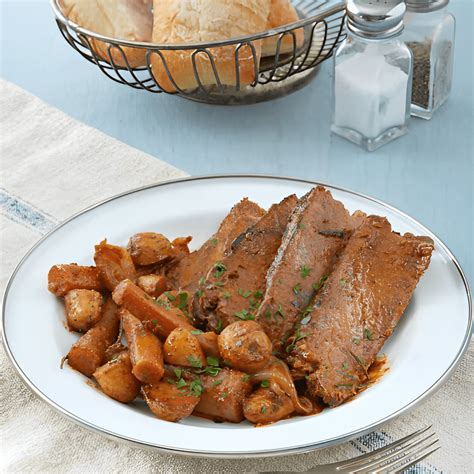
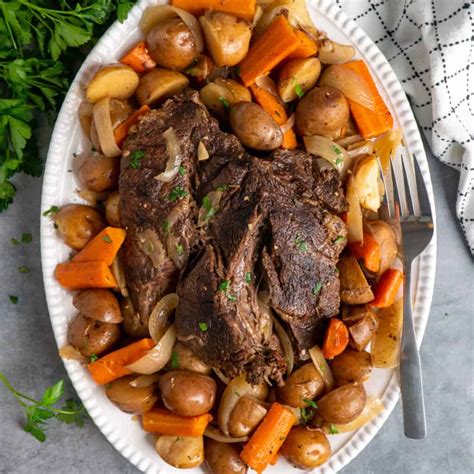
Once cooked, remove the roast from the pot and let it rest on a cutting board, tented loosely with foil, for at least 15-20 minutes. This allows the juices to redistribute, ensuring a more succulent final product. While the meat rests, you can skim any excess fat from the braising liquid and reduce it into a rich, flavorful gravy. Shred the tender meat with forks or slice it thickly against the grain before serving, drizzled generously with the homemade gravy.
Conclusion
Mastering the art of pot roast is about understanding a few key principles: choosing the right cut, building layers of flavor through searing and aromatics, and embracing the low-and-slow cooking method. Follow these steps, and you’ll consistently deliver a pot roast that is not only tender and flavorful but also a cherished part of your Sunday dinner tradition.