


Secret to tender slow-cooked country pot roast from tough cuts?

There’s nothing quite as comforting as a hearty country pot roast, but achieving that fork-tender texture from typically tough and inexpensive cuts of beef can feel like a culinary mystery. The good news is, it’s not magic, but rather a combination of understanding basic meat science and employing tried-and-true slow-cooking methods. Unlock the secret to a pot roast that practically melts on your plate every time.
Understanding Your Cut: The Foundation of Tenderness
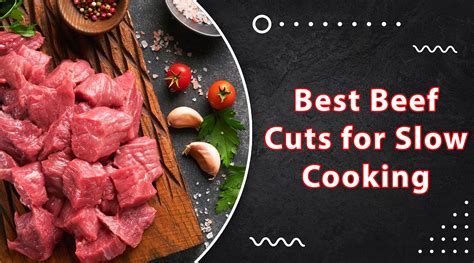
The journey to a tender pot roast begins with selecting the right tough cut. Cuts like chuck roast, bottom round, or even brisket are ideal. These cuts are rich in collagen, a tough connective tissue that, when cooked properly, breaks down into gelatin. This transformation is what gives your pot roast its succulent, melt-in-your-mouth quality, as the gelatin bastes the muscle fibers from within. Avoid lean cuts like sirloin or tenderloin for pot roast, as they lack the collagen necessary for this tenderizing process and will simply dry out.
The Maillard Reaction: Browning for Flavor
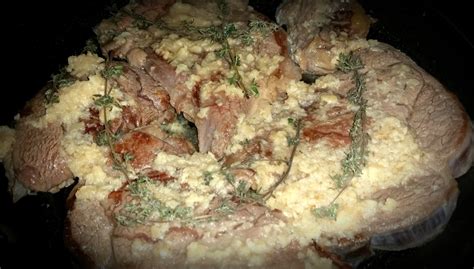
Before any slow cooking begins, searing the meat is a crucial step. This process, known as the Maillard reaction, creates a rich, savory crust on the exterior of the beef, developing complex flavors that simply cannot be achieved through slow cooking alone. Heat a heavy-bottomed pot or Dutch oven over high heat with a little oil. Sear the roast on all sides until deeply browned. This caramelization locks in flavor and adds depth to your final dish.
The Magic of Braising: Low and Slow Transformation
Braising is the cornerstone of tender pot roast. After searing, the meat is partially submerged in liquid and cooked slowly over a long period at a low temperature, typically in an oven or slow cooker. This extended, gentle heat allows the collagen in the tough cuts to gradually break down into gelatin. The liquid prevents the meat from drying out while infusing it with flavor.
The Role of Liquid and Aromatics
The braising liquid isn’t just for moisture; it’s a critical flavor component. Beef broth or stock is standard, but consider adding red wine for richness, a touch of balsamic or apple cider vinegar for a bright acidic note, or even beer. Incorporating aromatics like onions, garlic, carrots, and celery at the beginning of the braising process further deepens the flavor profile. Herbs such as fresh thyme, rosemary, and bay leaves are also essential for that classic country pot roast taste.
Optimal Temperature and Time: Patience is Key
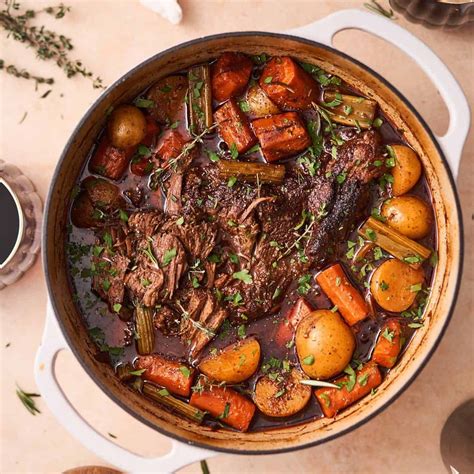
For oven braising, a temperature between 275°F (135°C) and 325°F (160°C) is ideal. In a slow cooker, use the ‘low’ setting. The cooking time will vary depending on the size and thickness of your roast, but generally, expect 3-4 hours in the oven or 6-8 hours on low in a slow cooker. The ultimate test for doneness isn’t time, but tenderness: the meat should be effortlessly pierced and shredded with a fork, with no resistance.
Post-Cook Perfection: Resting for Juiciness
Once your pot roast is cooked to perfection, resist the urge to immediately shred or slice it. Remove the meat from the braising liquid and let it rest, loosely tented with foil, for at least 15-20 minutes. This allows the juices to redistribute throughout the meat, ensuring every bite is moist and flavorful. After resting, the meat will be incredibly tender and easy to shred or slice against the grain.
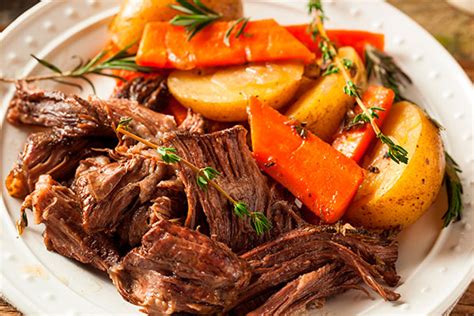
Aromatics and Vegetables: The Supporting Cast
While the beef is the star, the accompanying vegetables are vital. Add root vegetables like chunks of potatoes, carrots, parsnips, and pearl onions during the last hour or two of cooking, ensuring they cook through without turning mushy. They will absorb the rich flavors of the braising liquid and complement the tender meat beautifully, rounding out the classic pot roast experience.
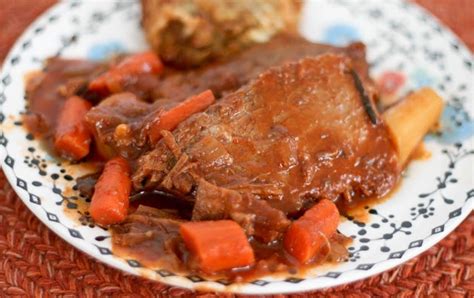
By following these steps – choosing the right cut, searing for flavor, braising low and slow with ample liquid and aromatics, and allowing for proper rest – you’ll unlock the secret to a consistently tender and delicious country pot roast. Say goodbye to tough, dry beef and hello to a comforting masterpiece that will impress every time.