

Secret to truly flaky biscuits using real butter & flour?
The Quest for the Perfect Flaky Biscuit
For many home bakers, the truly flaky biscuit remains an elusive dream. That ethereal layers-on-layers texture, the crisp exterior, and the tender, buttery interior – it’s a testament to good technique and quality ingredients. Forget hydrogenated fats; real butter and good quality flour are your non-negotiables. But what exactly are the secrets that transform these simple ingredients into a masterpiece?
1. The Power of Cold: Keeping Ingredients Chilled
This is arguably the most crucial secret. Your butter, flour, and liquid (typically buttermilk) absolutely must be as cold as possible. Why? When cold butter hits a hot oven, the water content in the butter rapidly turns to steam, creating pockets and pushing apart the layers of dough. This is the magic behind the flake.
• Freeze Your Butter and Flour
A simple trick is to grate your frozen butter directly into your flour mixture. This creates tiny, evenly distributed shards of butter, maximizing surface area for steam. Even chilling your flour in the fridge for 30 minutes before mixing can make a noticeable difference.
2. The Art of Butter Incorporation: Pea-Sized Pieces
Whether you’re grating, cutting in with a pastry blender, or using your fingertips, the goal is to have pea-sized (or slightly larger) pieces of butter distributed throughout the flour. Avoid overworking the butter until it melts or fully incorporates into the flour; you want distinct chunks. These chunks are what create those beautiful layers.

3. Minimal Handling, Maximum Flake
Once your cold butter is in, mix the dough just enough to bring it together. Overworking develops gluten, which leads to tough biscuits – the exact opposite of what we want. Use a light hand and resist the urge to knead extensively. The dough should still look a bit shaggy and loose.
• Don’t Over-Mix Your Liquid
Add your cold buttermilk (or milk) slowly and mix just until the flour is hydrated. A slightly sticky, messy dough is a good sign; it means you haven’t overdeveloped the gluten.
4. The Fold-and-Stack Method for Superior Lamination
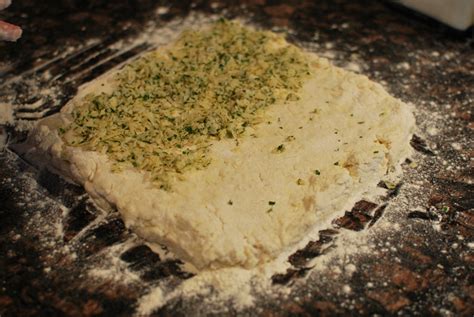
This technique is a game-changer for flakiness. Instead of simply cutting biscuits from a single rolled-out dough, implement a folding strategy:
- Turn the shaggy dough out onto a lightly floured surface.
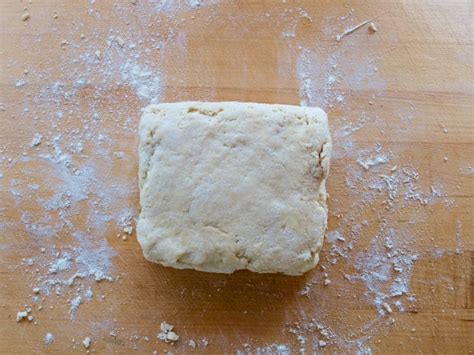
- Gently pat or roll it into a rough rectangle, about 1 inch thick.
- Fold one third of the dough over the middle, then fold the other third over that (like a letter).
- Rotate the dough 90 degrees and repeat the patting/rolling and folding process 2-3 more times.
This creates dozens of thin layers, trapping those butter pockets and ensuring maximum rise and separation.
5. The Final Touches: Cutting and Baking Hot
Use a sharp biscuit cutter and push straight down – do not twist. Twisting seals the edges of the dough, preventing it from rising properly. Place your cut biscuits close together on a baking sheet for softer sides, or spaced apart for crispier edges.
Bake your biscuits in a very hot oven, typically 425-450°F (220-230°C). The initial blast of high heat is what makes the butter’s water content steam rapidly, creating that glorious lift and separation.

Practice Makes Perfect
Mastering flaky biscuits takes a little practice, but by consistently applying these secrets – cold ingredients, proper butter incorporation, minimal handling, and the fold-and-stack method – you’ll soon be turning out biscuits that rival any bakery. Enjoy the journey to your own perfect, buttery, flaky heaven!