


Secrets for fall-apart tender slow-cooked country pot roast?
Introduction: The Quest for Perfect Pot Roast
There’s nothing quite like a classic country pot roast – hearty, comforting, and the star of many family dinners. Yet, achieving that elusive fall-apart tenderness can sometimes feel like a culinary challenge. Often, home cooks end up with tough, dry meat or an uninspired sauce. But fear not! With a few key techniques and a deeper understanding of the ingredients, you can master the art of the slow-cooked pot roast and ensure every bite is succulent and flavorful.
Choosing the Right Cut of Beef
The foundation of a truly tender pot roast begins with selecting the correct cut of beef. Forget lean, expensive cuts; for pot roast, you want a piece of meat with ample connective tissue and marbling. The hero here is the chuck roast (also known as chuck shoulder, chuck-eye roast, or blade roast).
- Why Chuck Roast? This cut, typically from the shoulder, contains a good amount of collagen and fat. During long, slow cooking, the collagen breaks down into gelatin, creating that rich, succulent texture and contributing to a luxurious sauce.
- Look for Marbling: A good chuck roast will have visible streaks of fat running through it. This marbling melts during cooking, basting the meat from within and keeping it moist.
The Magic of Searing and Deglazing
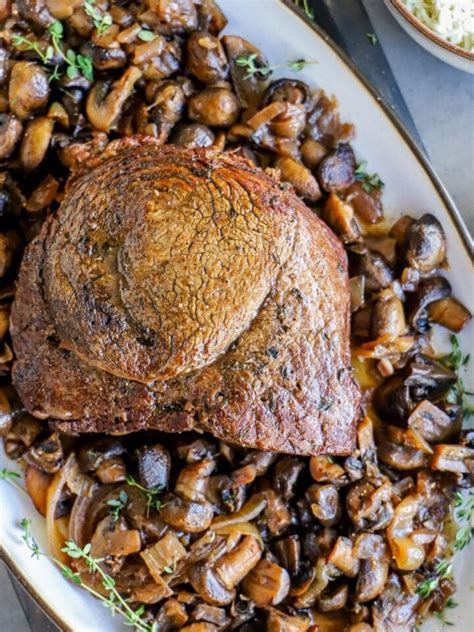
While the slow cooker does most of the heavy lifting, a crucial step often overlooked is searing the meat before it goes into the pot. Searing isn’t just for looks; it’s fundamental for flavor development.
- The Maillard Reaction: High heat creates a flavorful crust on the exterior of the meat through a process called the Maillard reaction. This caramelization adds deep, complex, savory notes that unseared meat simply cannot achieve.
- How to Sear: Pat your roast dry thoroughly. Season generously with salt and pepper. Heat a heavy-bottomed pan (like a cast iron skillet or Dutch oven) over medium-high heat with a tablespoon or two of high-smoke-point oil (like canola or vegetable oil). Sear the roast on all sides until deeply browned – don’t rush this step!
- Deglazing for Depth: After searing, remove the meat and add a splash of liquid (broth, wine, or even water) to the hot pan. Scrape up all those flavorful browned bits (fond) from the bottom of the pan. This liquid and fond should be added to your slow cooker for an extra layer of flavor.
Building a Flavorful Braising Liquid
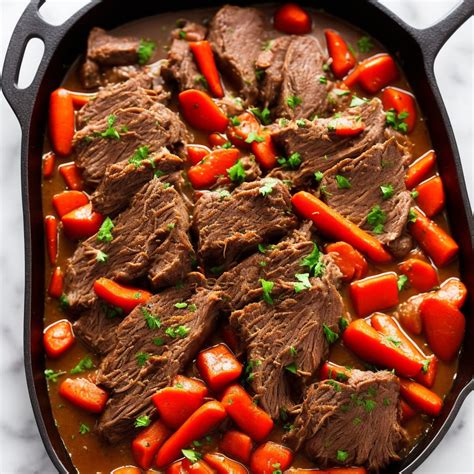
The liquid you choose is more than just a cooking medium; it’s a key flavor component that infuses the meat and becomes your delicious gravy.
- Broth is Best: Beef broth is the most common choice, but you can experiment with chicken or vegetable broth for subtle differences. Ensure it’s low-sodium so you can control the seasoning.
- Wine, Beer, or Coffee: For a richer, more complex flavor profile, consider adding a dry red wine (like Cabernet Sauvignon or Merlot), a dark beer (like stout or porter), or even a splash of strong brewed coffee. These liquids add depth and acidity that help tenderize the meat.
- Aromatics are Essential: Don’t forget your aromatic vegetables! Sautéed onions and garlic, along with carrots and celery, form the classic mirepoix base that adds significant savory flavor to your braising liquid. Fresh herbs like thyme, rosemary, and bay leaves are also crucial.
The Slow Cooker’s Role: Low and Slow
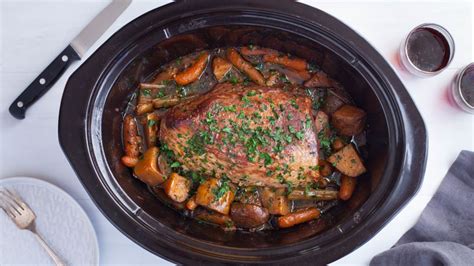
The slow cooker is your best friend in the quest for tenderness because it maintains a consistent, low temperature over many hours, allowing collagen to break down gradually.
- Temperature Control: Cook on the LOW setting for a longer duration. While HIGH settings cook faster, LOW heat is superior for developing tenderness in tough cuts of meat.
- Time is Key: A 3-4 pound chuck roast will typically need 6-8 hours on LOW or 3-4 hours on HIGH. However, always cook until the meat is fork-tender – meaning you can easily pull it apart with two forks. Don’t rely solely on the clock; the meat will tell you when it’s ready.
- Don’t Peek! Resist the urge to lift the lid of your slow cooker. Each time you do, you release heat and moisture, adding at least 15-20 minutes to the overall cooking time.
Timing Your Vegetables for Perfection
While some recipes suggest adding all vegetables at the start, timing can make a difference in their texture.
- Hearty Root Vegetables: Potatoes (halved or quartered), carrots, and parsnips can be added during the last 2-3 hours of cooking on LOW. This prevents them from becoming mushy and allows them to absorb the rich flavors of the pot roast.
- Delicate Veggies: If you’re adding softer vegetables like peas or green beans, stir them in during the last 30 minutes of cooking.
The Crucial Final Steps: Resting and Thickening
You’ve done the hard work, but the final steps are vital for a perfect finish.
- Rest the Meat: Once the pot roast is fork-tender, carefully remove it from the slow cooker and transfer it to a cutting board. Cover it loosely with foil and let it rest for 10-15 minutes. This allows the juices to redistribute, ensuring the meat remains moist and flavorful.
- Make the Gravy: While the meat rests, skim any excess fat from the surface of the braising liquid in the slow cooker. For a thicker gravy, create a slurry with cornstarch and cold water (1 tablespoon cornstarch to 2 tablespoons cold water per cup of liquid desired). Whisk the slurry into the hot liquid in the slow cooker, set it to HIGH, and cook until thickened, stirring occasionally.
Common Pitfalls and How to Avoid Them
- Dry Pot Roast: Usually a result of using too lean a cut of meat or not enough braising liquid. Ensure the meat is at least half-submerged.
- Tough Pot Roast: Often means it hasn’t cooked long enough. Keep cooking on LOW until it’s easily shredded with a fork.
- Lackluster Flavor: Insufficient searing, not deglazing, or under-seasoning are common culprits. Don’t be shy with salt, pepper, and herbs.

Conclusion
Creating a fall-apart tender slow-cooked country pot roast is less about complex culinary skills and more about understanding the science behind the ingredients and processes. By choosing the right cut of beef, searing for flavor, building a rich braising liquid, and employing the low-and-slow magic of your slow cooker, you’ll consistently achieve a comforting and incredibly tender meal that truly satisfies. Happy cooking!