


Secrets for light, fluffy homemade biscuits from scratch?

There’s nothing quite like a warm, flaky biscuit straight from the oven, slathered with butter and jam, or as a comforting side to a hearty meal. But the quest for that elusive light and fluffy texture can sometimes feel like a culinary challenge. Fear not, aspiring bakers! With a few key techniques and a deeper understanding of your ingredients, you can consistently whip up biscuits that are tender, tall, and utterly irresistible.
The Foundation: Cold Ingredients are King
The first and perhaps most crucial secret to achieving light and fluffy biscuits lies in the temperature of your ingredients. Specifically, cold butter or shortening is non-negotiable. When cold fat melts in a hot oven, it creates pockets of steam that push the dough layers apart, resulting in that desirable flakiness.
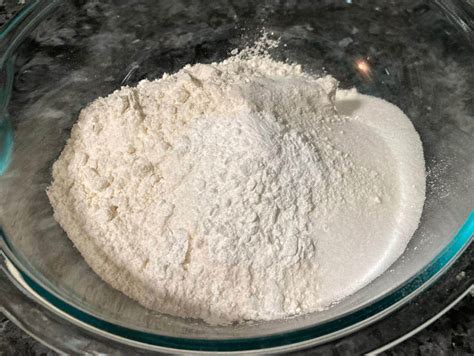
Cut your butter into small cubes and place it back in the refrigerator or freezer for 10-15 minutes before mixing. You can even grate frozen butter for perfectly sized pieces that incorporate easily into the flour without melting.
Flour Power: Choosing the Right Type
While often overlooked, the type of flour you use can significantly impact the texture of your biscuits. Low-protein flours, like soft wheat flour or pastry flour, produce a more tender crumb. Many biscuit recipes specifically call for self-rising flour, which already contains a leavening agent (baking powder) and salt. If using all-purpose flour, ensure you add the correct amounts of baking powder and baking soda (especially if using buttermilk).
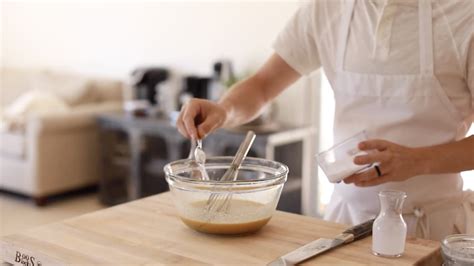
Sifting your flour before measuring can also help aerate it, leading to a lighter biscuit.
The Buttermilk Magic: Acidity and Tenderness
Buttermilk isn’t just for flavor; its acidity plays a vital role in creating tender, fluffy biscuits. The acid in buttermilk reacts with baking soda to produce carbon dioxide gas, which helps the biscuits rise. It also tenderizes the gluten in the flour, preventing tough biscuits. If you don’t have buttermilk, you can make a substitute by adding one tablespoon of lemon juice or white vinegar to regular milk and letting it sit for 5-10 minutes until it slightly curdles.
Mastering the Mix: Minimal Handling is Key
Overworking dough is the enemy of light and fluffy biscuits. The more you handle the dough, the more gluten develops, leading to a tough, dense biscuit. Your goal is to mix just until the dry ingredients are moistened by the buttermilk. The dough should look shaggy and a little sticky, not perfectly smooth.
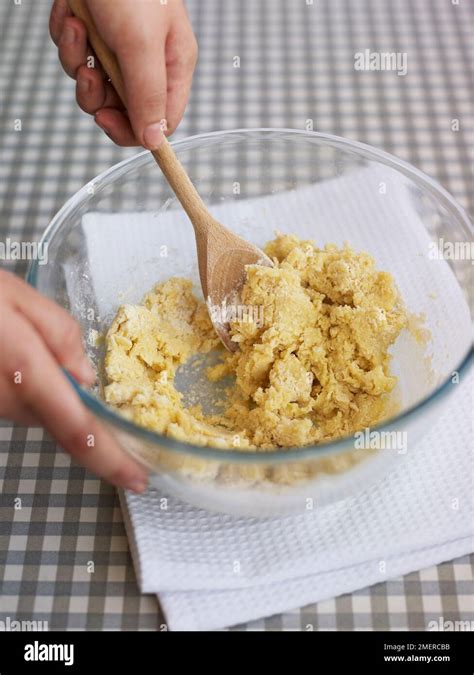
Use your hands or a fork to gently bring the dough together. Resist the urge to knead it excessively.
The Folding Technique: Layers of Flakiness
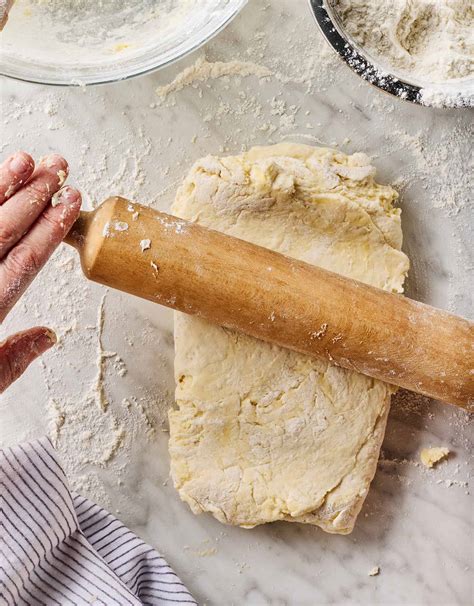
For truly flaky, layered biscuits, consider incorporating a simple folding technique. After gently bringing the dough together, turn it out onto a lightly floured surface. Pat it into a rectangle, then fold it into thirds (like a letter). Rotate the dough 90 degrees, pat it out again, and fold it into thirds once more. Repeat this process 2-3 times. This method creates thin layers of butter within the dough, which turn into steam pockets in the oven, yielding glorious layers.
Cutting and Baking: Precision Matters
Once your dough is ready, how you cut and bake them can make all the difference. Use a sharp biscuit cutter and press straight down, avoiding any twisting motion. Twisting can seal the edges of the biscuit, preventing it from rising properly. For taller biscuits, place them close together on the baking sheet so they support each other as they rise. Bake in a preheated oven at a high temperature, typically 425-450°F (220-230°C), which helps the fat melt quickly and creates that initial burst of steam for maximum lift.
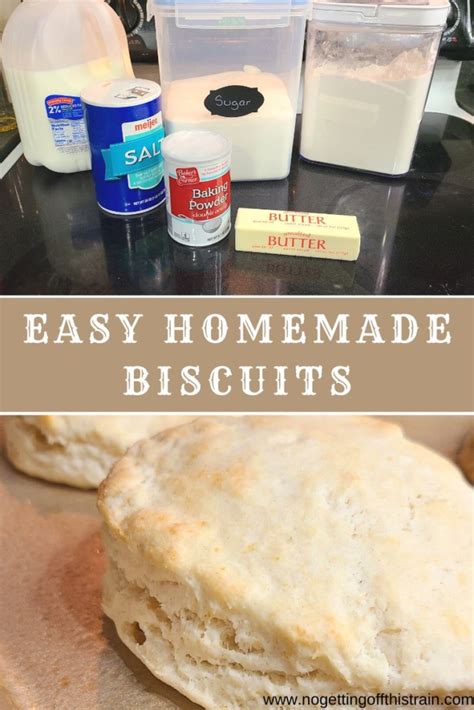
Final Tips for Biscuit Perfection
- Don’t Twist the Cutter: As mentioned, pressing straight down ensures an open edge for a better rise.
- Bake Them Close: Placing biscuits close together on the baking sheet helps them rise higher and stay softer on the sides.
- Don’t Overbake: Biscuits can go from perfectly golden to dry very quickly. Watch them closely and remove them from the oven as soon as the tops are golden brown.
- Brush with Butter: For extra richness and a beautiful sheen, brush the tops of the hot biscuits with melted butter immediately after they come out of the oven.
Mastering the art of light and fluffy homemade biscuits is a rewarding endeavor that brings warmth and joy to any kitchen. With these secrets in your arsenal, you’re well on your way to baking batches of irresistible biscuits that will impress family and friends alike. Happy baking!