

Secrets for tender, melt-in-your-mouth pot roast?

Transforming a tough cut of beef into a succulent, fall-apart pot roast is a culinary art that’s surprisingly achievable with a few key techniques. Forget dry, stringy results; with these secrets, you’ll consistently create a dish so tender it practically melts on your fork, brimming with rich, savory flavors that define ultimate comfort food.
1. Choose the Right Cut
The foundation of a tender pot roast begins with the beef itself. Opt for cuts rich in collagen and connective tissue, which break down into gelatin during long, slow cooking, resulting in that desirable melt-in-your-mouth texture. Chuck roast (also known as chuck eye roast, chuck shoulder pot roast, or blade roast) is the undisputed champion for pot roast. Other excellent choices include beef short ribs or brisket, though they might require slight adjustments in cooking time. Avoid leaner cuts like sirloin or round roast, as they lack the necessary fat and connective tissue to become truly tender through braising.

2. Don’t Skip the Sear
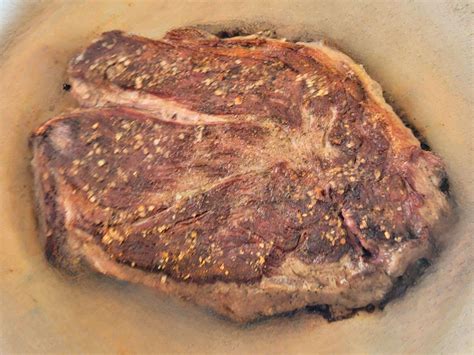
While it might seem counterintuitive to brown meat you’re going to slow cook, searing is a non-negotiable step for flavor development. A good sear creates a rich, complex crust on the surface of the meat through the Maillard reaction, locking in savory notes that permeate the entire dish. Heat a heavy-bottomed pot or Dutch oven over medium-high heat with a little oil until shimmering. Sear the roast on all sides until deeply browned – don’t rush this step! Once browned, remove the roast and deglaze the pan with a splash of liquid to capture all those flavorful bits, which will become part of your delicious gravy.
3. Low and Slow is the Way to Go
Patience is paramount when it comes to pot roast. The ‘low and slow’ cooking method is crucial for breaking down tough connective tissues without drying out the meat. Braising — cooking meat submerged partially in liquid over a long period at a low temperature — is the technique you want. Whether you use an oven (around 300-325°F / 150-160°C), a slow cooker on the low setting, or even an Instant Pot (though the ‘slow’ aspect is less pronounced here, it still delivers tenderness), the key is to allow ample time. For a typical 3-4 pound chuck roast, this can mean 3-4 hours in the oven or 6-8 hours in a slow cooker. The meat should be easily shreddable with a fork when done.

4. The Power of Liquid and Aromatics
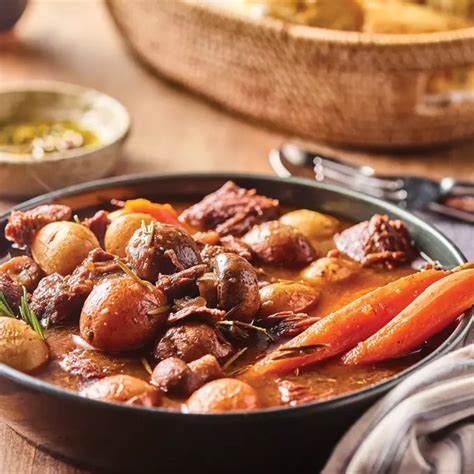
The braising liquid and aromatics are the soul of your pot roast’s flavor profile. Use a good quality beef broth or stock as your base, and consider adding red wine for depth or even a can of crushed tomatoes for a slight tang and richness. Don’t forget your aromatics: onions, carrots, celery (the ‘mirepoix’ foundation), garlic, and fresh herbs like thyme, rosemary, or bay leaves are essential. These ingredients slowly infuse the liquid and the meat, creating a complex and irresistible gravy. Ensure the liquid comes about halfway up the sides of the roast, not fully submerging it, to allow for proper braising.
5. Rest and Shred for Perfection
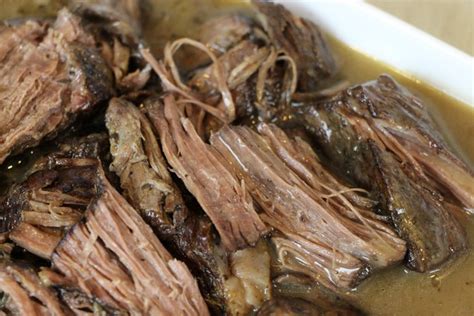
Once your pot roast is cooked to perfection, resist the urge to immediately dig in. Just like a perfectly grilled steak, pot roast benefits immensely from a resting period. Remove the roast from the cooking liquid, tent it loosely with foil, and let it rest for at least 15-20 minutes. This allows the juices to redistribute throughout the meat, ensuring every bite is moist and flavorful. After resting, the meat should be so tender you can easily shred it with two forks. Serve it with the delicious gravy and cooked vegetables from the pot.
With these foundational secrets—selecting the right cut, searing for flavor, slow cooking, embracing rich liquids and aromatics, and allowing for proper rest—you’re well on your way to mastering the art of the tender, melt-in-your-mouth pot roast. Prepare for rave reviews and empty plates; this classic comfort food is about to become your new signature dish.