Secrets to fork-tender pot roast from tough country cuts?

Unlocking the Magic of Pot Roast: From Gritty to Great
Pot roast is the quintessential comfort food, a hearty and satisfying meal that conjures images of cozy family dinners. Yet, many home cooks shy away from it, fearing a dry, chewy outcome, especially when starting with inexpensive, tougher cuts of beef. The good news is that these very cuts – often labeled as ‘country style’ or ‘stew meat’ – are actually ideal for pot roast. Their higher collagen content, when broken down correctly, yields an incredibly rich flavor and that coveted, melt-in-your-mouth tenderness.
Choosing Your Champion Cut: The Right Foundation
The journey to a magnificent pot roast begins with selecting the right cut. Forget the expensive steaks; we’re looking for hardworking muscles. The Chuck Roast (from the shoulder) is king for pot roast due to its abundant marbling and connective tissue. Other excellent choices include Brisket, Rump Roast, or even a tough Bottom Round. These cuts thrive under long, moist cooking, as the collagen slowly dissolves into gelatin, lubricating the muscle fibers and creating that luscious mouthfeel and rich sauce.

The Browning Brilliance: Flavor First
Before any braising begins, searing your meat is non-negotiable. This crucial step develops a deep, complex flavor through the Maillard reaction, creating a beautiful crust that seals in juices and adds incredible depth to your final dish. Pat the meat thoroughly dry with paper towels – moisture inhibits browning. Heat a heavy-bottomed pot or Dutch oven over medium-high heat with a little high-smoke-point oil (like canola or grapeseed). Sear the roast on all sides until deeply browned, then remove it from the pot.
The Braising Alchemy: Low and Slow is the Way to Go
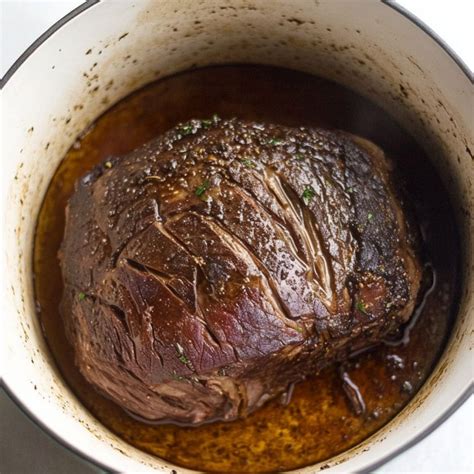
This is where the magic truly happens. After browning your meat, sauté aromatic vegetables like chopped onions, carrots, and celery in the same pot, scraping up any browned bits from the bottom. Deglaze the pan with a liquid like red wine, beef broth, or even a can of diced tomatoes. The key is to submerge the meat partially, but not completely, in liquid. This liquid, combined with a tight-fitting lid, creates a steamy, moist environment that slowly tenderizes the tough fibers.

Acidity and Seasoning: The Secret Helpers
A touch of acidity can significantly aid in tenderizing and brightening the flavors. Tomatoes, red wine, balsamic vinegar, or even a splash of Worcestershire sauce can contribute to this. Don’t forget proper seasoning! Generously salt and pepper your meat before browning. Incorporate herbs like bay leaves, thyme, and rosemary into your braising liquid. Taste your liquid before adding the meat back, ensuring it’s well-seasoned, as the flavors will concentrate during cooking.
Patience is a Virtue: Cooking Time and Temperature
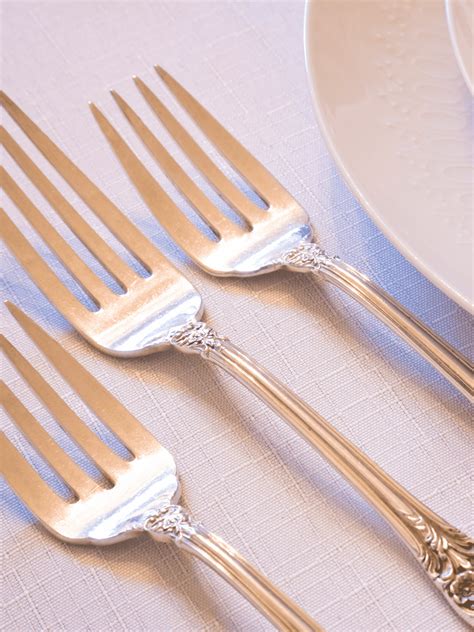
The secret to tenderness lies in low heat and ample time. Cook your pot roast in an oven at a moderate temperature (around 275-325°F / 135-160°C) or on low in a slow cooker for several hours. A general rule of thumb is 3-4 hours in the oven for a 3-4 pound roast, or 6-8 hours on low in a slow cooker. The meat is done not when it reaches a specific internal temperature, but when it’s undeniably fork-tender – meaning a fork can easily twist and pull away pieces without resistance. Don’t rush this process; undercooked pot roast is the enemy of tenderness.
The Final Touch: Resting for Perfection
Once your pot roast is gloriously tender, resist the urge to immediately shred or slice it. Remove the meat from the pot, tent it loosely with foil, and let it rest for at least 15-20 minutes. This allows the juices to redistribute throughout the meat, resulting in a more succulent and flavorful final product. While the meat rests, you can reduce the braising liquid on the stovetop to create a rich, flavorful gravy.
Troubleshooting Common Pitfalls
- Meat not tender: You likely didn’t cook it long enough or at a low enough temperature. Patience is key!
- Dry meat: Ensure your pot is tightly covered to prevent moisture loss, and that there’s always sufficient braising liquid.
- Bland flavor: Don’t skimp on the browning step, and be generous with your aromatics and seasoning.
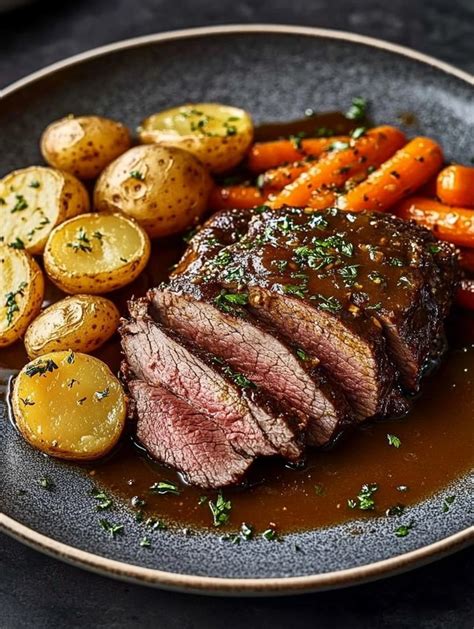
Transforming tough country cuts into a fork-tender pot roast is less about expensive ingredients and more about understanding the science of slow cooking. By embracing proper searing, ample braising time, and thoughtful seasoning, you can achieve a wonderfully flavorful and incredibly tender pot roast every single time, turning an economical cut into a truly luxurious meal.