Secrets to light, fluffy homemade biscuits using simple country kitchen ingredients?

The Magic Behind Fluffy Biscuits: Simplicity is Key
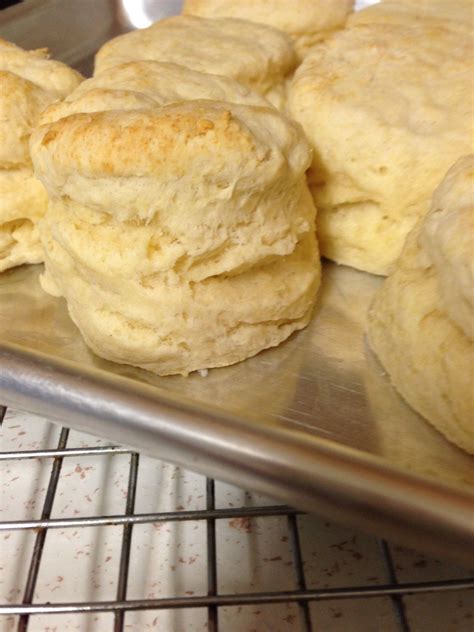
There’s an undeniable charm and comfort in a perfectly baked homemade biscuit. Golden on the outside, steamy and tender on the inside, with layers that practically beg to be pulled apart and slathered with butter and jam. While the ingredients are often just flour, fat, leavening, and liquid, mastering the technique is what separates a dense hockey puck from an ethereal cloud. Good news: it’s not as hard as you think, especially when armed with a few country kitchen secrets.
Ingredient Quality and Temperature: Your Foundation for Success
The journey to a perfect biscuit begins before you even touch a mixing bowl. The quality and, crucially, the temperature of your ingredients play a pivotal role.
Flour: The Right Base
- Low-Protein Flour: Many Southern biscuit makers swear by low-protein, soft winter wheat flour, often labeled “biscuit flour.” If you can’t find it, a good quality all-purpose flour will work, but handle it even more gently.
- Measure Accurately: Too much flour can make biscuits tough. Spoon flour into your measuring cup and level it off; don’t scoop directly from the bag.
Fat: Cold and Crumbly
This is arguably the most critical component for flakiness. Cold fat (unsalted butter, shortening, or a combination) creates steam pockets in the oven, leading to those coveted layers.
- Very Cold Butter/Shortening: Cut your fat into small pieces (about pea-sized) and then chill it further in the freezer for 10-15 minutes.
- Avoid Overworking: Incorporate the fat quickly and lightly into the flour mixture. You want visible pieces of fat throughout the dough, not a completely smooth mixture. These pockets of fat are what produce steam and lift.
Leavening and Liquid: The Rise and Tenderness
- Fresh Baking Powder: Old baking powder means flat biscuits. Ensure yours is fresh. Double-acting baking powder is usually best. A pinch of baking soda can be added if using buttermilk, as it reacts with the acid to create extra lift.
- Cold Buttermilk: The acidity in buttermilk reacts with baking powder (and baking soda, if used) for a superior rise and contributes to a tender crumb. Keep it in the fridge until the very last moment.

The Art of Mixing: A Gentle Touch
Once your ingredients are prepped, the mixing technique is paramount. The goal is to bring everything together with as little handling as possible.
- Combine Dry Ingredients: In a large bowl, whisk together the flour, baking powder, salt, and any baking soda.
- Cut in the Cold Fat: Add the cold butter or shortening pieces to the dry ingredients. Use a pastry blender, two knives, or your fingertips (working quickly to avoid melting the fat) to cut the fat into the flour until it resembles coarse crumbs with some pea-sized pieces remaining.
- Add Liquid Gradually: Make a well in the center of the mixture and pour in most of the cold buttermilk. Stir with a fork just until the dough comes together. It should be shaggy and moist, but not wet. Add a little more buttermilk if needed, one tablespoon at a time. The less you mix, the more tender your biscuits will be.
Folding and Cutting for Layers
This step is where you actively create the layers that make biscuits so irresistible. Think of it as a simplified lamination process.
- Lightly Flour Your Surface: Turn the shaggy dough out onto a lightly floured surface.
- Pat and Fold: Gently pat the dough into a rectangle about 3/4 to 1-inch thick. Fold one-third of the dough over the middle, then fold the other third over that, like folding a letter. Turn the dough 90 degrees and repeat this patting and folding process 2-3 more times. This builds layers without overworking the gluten.
- Final Thickness: Pat the dough to a final thickness of about 1/2 to 3/4 inch.
- Cut with Precision: Use a sharp biscuit cutter (don’t twist it!) to cut straight down through the dough. Twisting seals the edges, preventing a good rise. Re-roll scraps only once, if necessary, as these biscuits will be tougher.

Baking for Golden Perfection
The final act requires a hot oven to get that rapid rise and golden crust.
- Hot Oven is Key: Preheat your oven to a high temperature, typically 425-450°F (220-230°C). This high heat helps the biscuits rise quickly and creates a beautiful brown crust.
- Arrangement: Place biscuits close together on a baking sheet for softer sides, or spaced apart for crispier edges.
- Bake Until Golden: Bake for 12-18 minutes, or until deeply golden brown on top and bottom.
Serve immediately, warm from the oven, with your favorite toppings – butter, honey, jam, or even gravy. With these simple country kitchen secrets, you’ll be baking light, fluffy biscuits that rival any grandma’s.