Secrets to perfectly flaky pie crust for seasonal fruit pies, even with homemade lard?

Achieving a perfectly flaky pie crust is the dream of every home baker, especially when preparing a showcase for vibrant seasonal fruit fillings. While store-bought options exist, there’s an undeniable satisfaction and superior flavor that comes from a homemade crust. And when that “homemade” extends to rendering your own lard, you unlock a secret weapon for unparalleled texture and richness. Far from being intimidating, mastering a flaky crust with homemade lard is a straightforward process when you know the fundamental principles.
The Unsung Hero: Homemade Lard
Homemade lard, rendered from high-quality pork fat, offers a unique combination of richness and tenderness that often surpasses butter or commercial shortening. Its higher melting point contributes to exceptional flakiness by creating distinct pockets of steam during baking. This renders a crust that’s incredibly tender yet robust enough to hold up to juicy fruit fillings. Don’t be afraid of using it; its neutral flavor profile beautifully complements any fruit.
Cold is Your Best Friend: Temperature Control
The single most crucial factor for flaky pie crust is keeping everything exceptionally cold. This includes your homemade lard, flour, water, and even your mixing bowl and tools. Cold lard melts slower in the oven, creating those desirable steam pockets that separate layers of dough. If the lard melts before baking, you’ll end up with a tough, mealy crust. Consider chilling your flour and bowl in the freezer for 15-20 minutes before starting.
The Art of ‘Cutting In’ the Lard
The technique for incorporating fat into flour is paramount. You want pea-sized or slightly larger pieces of cold lard dispersed throughout the flour mixture, not fully blended. This is best achieved with a pastry blender, two knives, or even your fingertips (working quickly to avoid warming the lard). The goal is to create varying sizes of fat pockets, which will expand and create layers during baking. Avoid overworking the dough, as this develops gluten unnecessarily, leading to a tough crust.

Just Enough Water, Minimal Handling
Adding water is where many bakers go wrong. Too much water makes a tough crust; too little makes it crumbly and hard to roll. Add ice-cold water a tablespoon at a time, mixing gently until the dough just comes together. It should look shaggy but hold together when squeezed. Once the dough forms, resist the urge to knead it excessively. Gather it into a disc, wrap it tightly in plastic, and refrigerate for at least 30 minutes (preferably longer, up to 2 days). This chilling period allows the gluten to relax and the hydration to even out, making the dough easier to roll.
Rolling and Baking for Perfection
When rolling out your chilled dough, work on a lightly floured surface, turning the dough frequently to prevent sticking. Roll from the center outwards, maintaining an even thickness. If the dough becomes sticky or warm, pop it back into the fridge for a few minutes. For fruit pies, you might opt for blind baking the bottom crust, especially for very wet fillings, to prevent a soggy bottom. Bake at a higher temperature initially (e.g., 425°F/220°C) for the first 15-20 minutes to set the crust and promote flakiness, then reduce the temperature to finish baking.

Embracing the Seasonal Bounty
With your perfectly flaky, homemade lard crust ready, the stage is set for showcasing the season’s best fruits. Whether it’s sweet cherries in summer, crisp apples in fall, or tart rhubarb in spring, the simple, rich backdrop of a well-made crust elevates these natural flavors to new heights. Don’t shy away from experimenting with different fruit combinations and spices to truly make your seasonal pies shine.
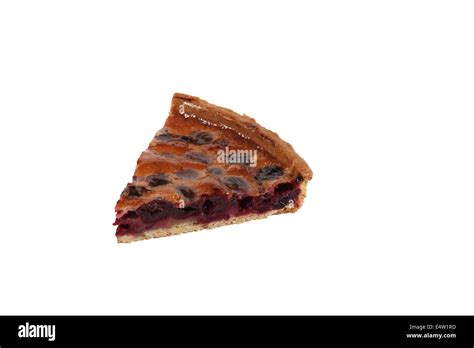
Crafting a magnificent pie crust with homemade lard is a skill that rewards patience and attention to detail. By focusing on cold ingredients, proper technique for cutting in the fat, minimal handling, and strategic chilling, you’ll unlock the secrets to an undeniably flaky, tender, and flavorful foundation for all your seasonal fruit pies. Your efforts will be richly rewarded with every delicious, buttery bite.