




Secrets to tender, fall-apart tough cuts for hearty homemade country suppers?

There’s a unique satisfaction that comes from transforming a humble, tough cut of meat into a fork-tender masterpiece, especially when it’s destined for a comforting country supper. While many home cooks might shy away from cuts like chuck roast, brisket, or short ribs, these often-affordable options hold the secret to deeply flavorful, fall-apart dishes – if you know how to coax out their potential. The key lies in understanding the science of tenderization and applying a few time-honored techniques.

Embrace the Low and Slow Approach
The single most crucial technique for breaking down the tough connective tissues in cuts like chuck, oxtail, or brisket is prolonged cooking at a low temperature. This isn’t just about cooking until it’s done; it’s about giving collagen, the primary connective tissue, ample time to convert into gelatin. Gelatin is what gives braises and stews their luscious, rich texture and melts into the meat, making it incredibly tender and moist.
Braising: The Gold Standard
Braising involves searing the meat first to develop a rich crust and deepen flavor, then submerging it partially in a flavorful liquid (broth, wine, beer, tomatoes) and cooking it tightly covered in the oven or on the stovetop at a gentle simmer for several hours. This creates a steamy, moist environment that slowly breaks down fibers.
Slow Cookers and Dutch Ovens
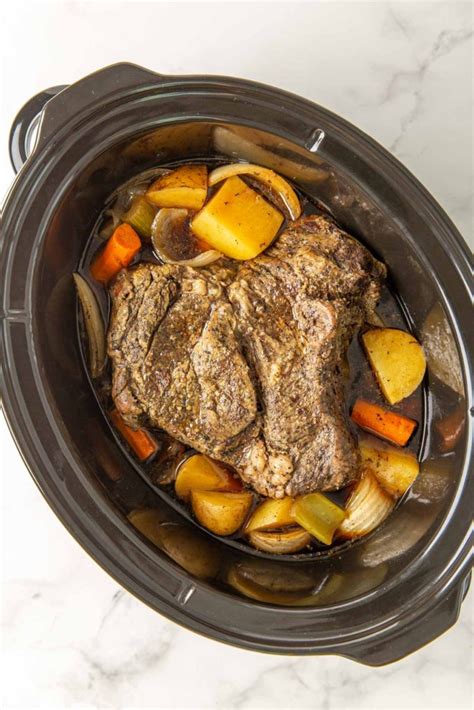
Both slow cookers and heavy-bottomed Dutch ovens excel at this method. A slow cooker provides consistent low heat over many hours, making it perfect for set-it-and-forget-it meals. A Dutch oven, especially one with a tight-fitting lid, mimics this environment beautifully in a conventional oven.
The Power of Acidity and Enzymes
Beyond heat, certain ingredients can aid in the tenderization process.
Acidic Marinades
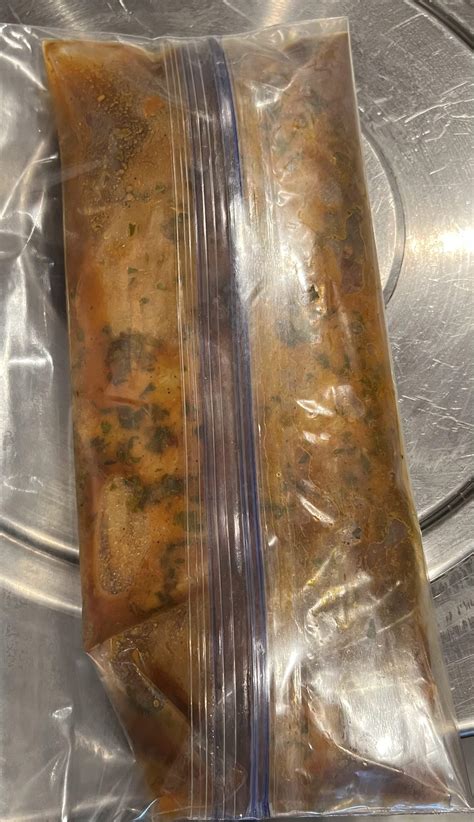
Marinades containing acidic components like vinegar, lemon juice, wine, buttermilk, or even certain fruits (pineapple, kiwi) can help break down muscle fibers. While not as effective for extremely tough cuts as low-and-slow cooking, they can tenderize slightly tougher steaks or roasts and infuse them with flavor. Be careful not to marinate for too long, especially with strong acids or enzymatic fruits, as they can turn the meat mushy.
Enzymatic Tenderizers (Use with Caution)
Natural enzymes found in fruits like pineapple, papaya, and kiwi, or in commercial meat tenderizers, can break down protein. While effective, they can also leave meat with a mealy texture if used excessively or for too long. They are generally better for thinner cuts or as a quick pre-treatment.
Mechanical and Preparation Tricks
Sometimes, a little physical intervention goes a long way.
Pounding and Scoring
For cuts like flank steak or skirt steak, pounding them with a meat mallet can physically break down tough fibers. Scoring the surface (cutting shallow cross-hatch patterns) helps marinades penetrate deeper and prevents the meat from curling during cooking.
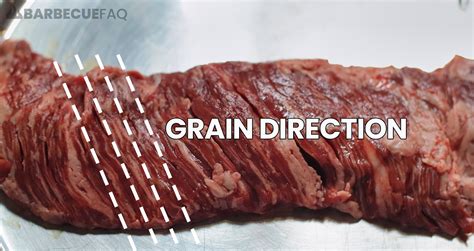
Cutting Against the Grain
Even after tender cooking, how you slice the meat matters immensely. Always cut cooked meat against the grain – perpendicular to the direction of the muscle fibers. This shortens the fibers, making each bite more tender and easier to chew.
Choosing the Right Cuts for Country Suppers
Not all tough cuts are created equal, but many are perfectly suited for these tenderizing methods and make for incredible country-style meals:
- Chuck Roast: Ideal for pot roasts, stews, and shredded beef.
- Short Ribs: Braise until they literally fall off the bone.
- Brisket: Famous for BBQ, but also fantastic slow-cooked or braised.
- Oxtail: Rich, gelatinous, and full of flavor when slow-cooked.
- Flank Steak/Skirt Steak: Benefit from marinading and quick cooking, then slicing against the grain.
- Pork Shoulder (Boston Butt): The king of pulled pork, perfect for long, slow cooking.
Pair these succulent meats with classic country accompaniments like roasted root vegetables, creamy mashed potatoes, hearty gravies, and crusty bread to soak up all the flavorful juices. The long cooking process not only tenderizes the meat but also allows all the ingredients to meld into a harmonious, deeply comforting dish.

The Reward: Unforgettable Homemade Meals
Mastering the art of tenderizing tough cuts is a culinary superpower. It unlocks a world of affordable, flavorful, and incredibly satisfying dishes that evoke the warmth and comfort of a homemade country supper. With a little patience and the right techniques, you can turn overlooked cuts into the star of your next family meal, proving that true deliciousness often comes from the most humble beginnings.