




Share a practical BTS tip for showcasing authentic homemade food stories.

In the vibrant world of food content, authenticity is the secret ingredient that truly captivates an audience. While perfectly styled finished dishes are beautiful, what often resonates more deeply are the stories behind them – the journey, the effort, and the soul poured into homemade food. For creators looking to share genuine homemade food narratives, a simple yet incredibly powerful behind-the-scenes (BTS) tip can elevate your content from merely appealing to truly unforgettable.
Embrace the Process: The Magic of “Making Of” Shots
The most practical BTS tip for showcasing authentic homemade food stories is to actively incorporate “process shots” into your visual storytelling. Instead of exclusively focusing on the pristine final product, dedicate a significant portion of your content to capturing the journey from raw ingredients to the finished dish. This isn’t just about documenting steps; it’s about revealing the heart and soul of your cooking.

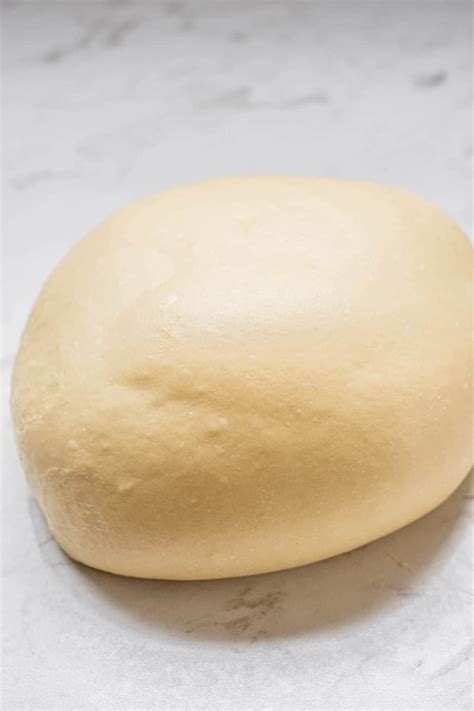
Why are process shots so effective? They peel back the curtain, inviting your audience directly into your kitchen and your creative space. They demonstrate skill, effort, and passion, building trust and relatability. When viewers see the flour dusting your countertop, the vegetables being meticulously chopped, or the dough rising, they connect with the human element and the labor of love involved.
How to Master Your Process Shots
1. Focus on Key Moments, Not Every Single Step
You don’t need a shot for every micro-movement. Identify the most visually interesting and narrative-rich moments in your cooking process. This could be the initial prep, the mixing of key ingredients, a significant texture change, or the moment something goes into (or comes out of) the oven. These are your story beats.
2. Utilize Natural Light
Authenticity thrives in natural settings. Whenever possible, position your cooking area near a window. Natural light adds a warmth and realism that artificial lighting often struggles to replicate. It enhances textures and colors without making things look overly staged or synthetic, perfectly complementing the “homemade” vibe.
3. Embrace Imperfections and the Human Touch
Part of homemade charm is that it’s not always perfect. A little flour dust on the counter, a stray crumb, or a slightly messy spoon can actually add to the authenticity rather than detract from it. Don’t shy away from including your hands in the frame. Hands stirring, kneading, pouring, or sprinkling immediately add a personal, human connection to the food, making the story more engaging and relatable.
4. Capture the Transformation
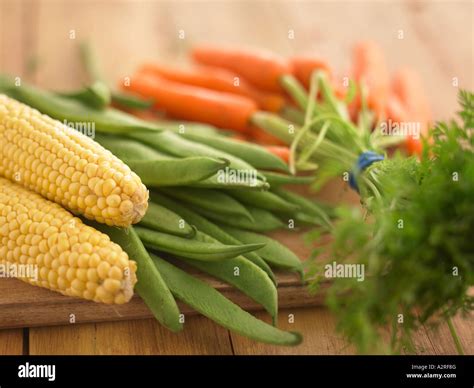
Think about the “before and after” within your process. A beautiful shot of raw vegetables before they become part of a stew, or a gooey, unbaked pie next to its golden, bubbling finished counterpart. This transformation visually narrates the cooking journey and highlights the magic of culinary creation.
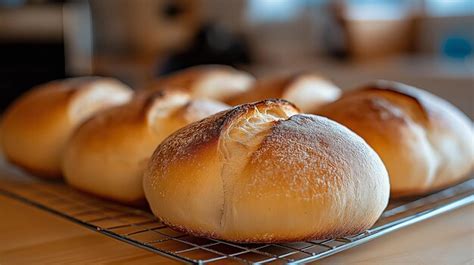
The Impact of Showing the “Behind the Scenes”
By consistently incorporating process shots, you’re not just sharing recipes; you’re sharing an experience. You’re inviting your audience into your kitchen, building a community around the joy of cooking, and establishing yourself as a trustworthy source for genuine homemade food stories. This approach cultivates a deeper connection, fosters engagement, and ultimately, makes your food content stand out in a crowded digital landscape. So next time you’re whipping up a storm, remember to capture the beautiful chaos and creativity of the making – it’s where the true story lies.