




Share your best real food preserving recipes for country garden bounty.
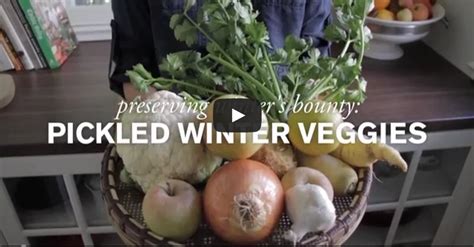
There’s nothing quite like the satisfaction of a bountiful country garden harvest. But with so much goodness ripe for the picking, the real magic begins when you transform that fresh produce into pantry staples that can be enjoyed long after the growing season ends. Preserving your garden’s gifts using real food methods not only captures peak flavor and nutrients but also reduces waste and connects you more deeply with the food you eat.
The Art and Joy of Real Food Preservation
Real food preservation isn’t just about extending shelf life; it’s about locking in the vibrant flavors, essential nutrients, and the wholesome goodness of your homegrown produce. Moving away from highly processed ingredients, these methods emphasize natural techniques – canning, freezing, drying, and fermenting – to create healthy, delicious additions to your meals throughout the year. Imagine savoring sun-ripened tomatoes in January or crisp dill pickles with your summer BBQ, all from your own backyard!

Essential Preserving Methods for Every Gardener
Before diving into specific recipes, let’s briefly touch upon the fundamental techniques that form the backbone of real food preservation:
- Canning: Ideal for high-acid foods like tomatoes and fruits (water bath canning) or low-acid foods like green beans and meats (pressure canning). It creates shelf-stable products.
- Freezing: One of the easiest methods for many vegetables, fruits, and even herbs. It retains flavor and nutrients wonderfully.
- Drying/Dehydrating: Excellent for herbs, fruits, and even some vegetables for snacks or cooking additions. It removes moisture, preventing spoilage.
- Fermentation: An ancient method that not only preserves food but also enhances its nutritional value and creates unique, tangy flavors, perfect for pickles and krauts.
Our Favorite Real Food Preserving Recipes
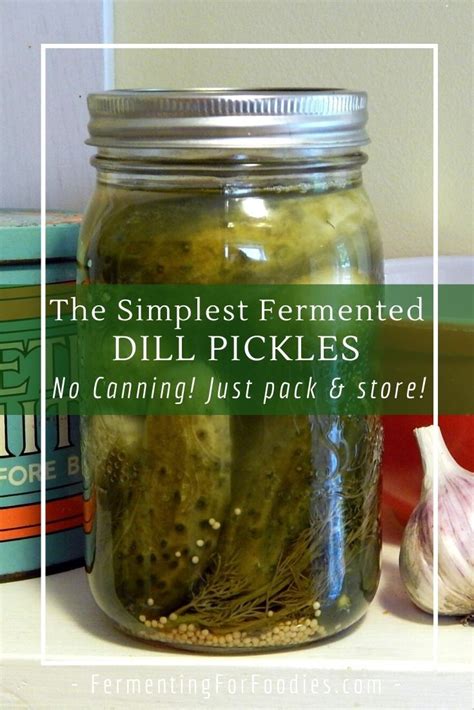
1. Tangy Fermented Dill Pickles
Forget bland, store-bought pickles! Fermenting your cucumbers creates a probiotic-rich, wonderfully crunchy, and flavorful pickle. This method uses salt, water, and time to transform fresh cukes.
Ingredients:
- 4-5 lbs pickling cucumbers, washed and trimmed
- Fresh dill heads or sprigs
- Garlic cloves, peeled
- Grape leaves or oak leaves (optional, for crispness)
- Pickling spice blend
- Sea salt (non-iodized)
- Filtered water
Instructions (Simplified):
- Pack cucumbers, dill, garlic, and leaves tightly into clean glass jars.
- Prepare a brine: dissolve 2-3 tablespoons of salt per quart of filtered water.
- Pour brine over contents, ensuring cucumbers are fully submerged.
- Seal jars loosely and allow to ferment at room temperature for 3-7 days, or until desired sourness is achieved.
- Move to refrigeration to slow fermentation.
2. Rich & Robust Canned Tomato Sauce
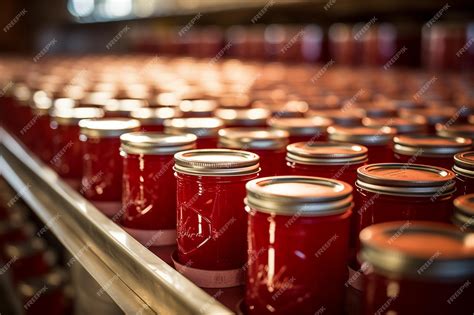
Summer tomatoes are liquid gold. Preserving them as a rich sauce means you can enjoy the taste of summer sunshine in your pasta, soups, and stews all year long.
Ingredients:
- 15-20 lbs ripe garden tomatoes (Roma, San Marzano are excellent)
- Olive oil (optional)
- Fresh basil, oregano (optional)
- Salt and pepper to taste
- Lemon juice or citric acid (for safety in water bath canning)
Instructions (Simplified):
- Wash and core tomatoes, then chop roughly.
- Simmer tomatoes in a large pot until soft, then run through a food mill or blender for a smooth consistency.
- Return to pot and simmer to desired thickness, stirring occasionally. Add herbs, salt, and pepper.
- For water bath canning, add 1 tbsp lemon juice or 1/4 tsp citric acid per pint jar (2 tbsp/1/2 tsp per quart).
- Ladle hot sauce into hot, sterile jars, leaving 1/2-inch headspace. Process in a boiling water canner according to altitude and jar size guidelines.
3. Quick & Healthy Berry Chia Seed Jam
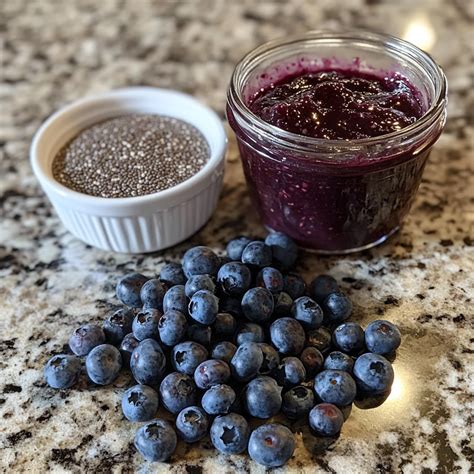
This method allows you to capture the fresh flavor of your garden berries without excessive sugar or pectin, relying on chia seeds for thickening.
Ingredients:
- 4 cups fresh berries (strawberries, raspberries, blueberries, mixed)
- 1/4 cup chia seeds
- 1/4 cup maple syrup or honey (adjust to taste)
- 1-2 tbsp lemon juice
Instructions:
- Gently mash berries in a saucepan. Add maple syrup/honey and lemon juice.
- Bring to a simmer over medium heat, stirring for 5-7 minutes.
- Remove from heat and stir in chia seeds. Let sit for 10-15 minutes to thicken.
- Spoon into clean jars. Store in the refrigerator for up to 2-3 weeks, or freeze for longer storage.
4. Versatile Dehydrated Herb Blends & Vegetable Chips
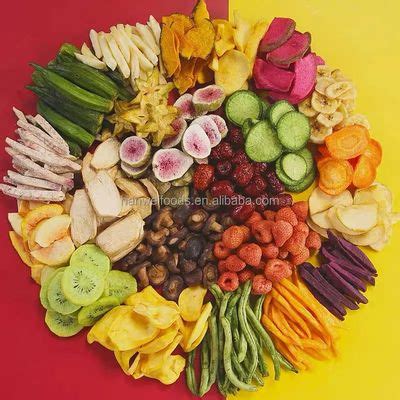
Dehydrating is an ancient, simple way to preserve delicate herbs and create crunchy, healthy snacks from surplus vegetables.
Instructions for Herbs:
- Harvest herbs (e.g., basil, oregano, thyme, rosemary) in the morning after dew has dried.
- Wash gently and pat dry. Remove any damaged leaves.
- Hang small bunches upside down in a warm, dry, well-ventilated area, or spread single layers on dehydrator trays.
- Dehydrate until brittle. Crumble and store in airtight containers.
Instructions for Vegetable Chips:
- Slice vegetables (e.g., zucchini, sweet potatoes, kale, beets) very thinly.
- Lightly season with salt, pepper, or other spices.
- Spread in a single layer on dehydrator trays.
- Dehydrate at recommended temperatures until crisp.
Tips for Successful Preservation
- Harvest at Peak Ripeness: This ensures the best flavor and nutrient content.
- Cleanliness is Key: Always sanitize your jars, lids, and equipment thoroughly.
- Use Quality Ingredients: Start with fresh, unblemished produce.
- Follow Tested Recipes: Especially for canning, using scientifically tested recipes from reliable sources (like university extensions) is crucial for food safety.
- Label Everything: Include the date and contents for easy pantry management.
Embracing real food preservation is a rewarding journey that enriches your kitchen and your health. We hope these recipes inspire you to make the most of your country garden’s incredible bounty. Happy preserving!