


Simple BTS gear for showing authentic farm-to-table food prep process?

Capturing Culinary Authenticity: Why Simple BTS Gear Matters
In a world increasingly seeking transparency and connection, showcasing the authentic farm-to-table food preparation process offers immense value. Viewers are eager to see the journey of ingredients from their raw state to a finished dish, and a well-executed behind-the-scenes (BTS) look can build trust, engage audiences, and highlight the artistry of your culinary work. The good news? You don’t need a Hollywood production crew or an arsenal of expensive equipment to achieve compelling, genuine content. Simple, thoughtful gear choices can make all the difference.
The Philosophy of Simplicity for Farm-to-Table BTS
The goal of farm-to-table content is often about highlighting natural beauty, honest effort, and delicious results. Overly complicated camera setups can distract from this authenticity, making the process feel staged or inaccessible. By focusing on simple, reliable gear, you can prioritize storytelling, natural light, and the raw beauty of ingredients and techniques.
Your Core Camera: The Smartphone Advantage
Today’s smartphones are powerful filmmaking tools, capable of shooting high-resolution video with impressive dynamic range. For many farm-to-table BTS scenarios, a modern smartphone is more than sufficient. Its portability, ease of use, and quick setup make it ideal for capturing spontaneous moments or fitting into tight kitchen spaces. Focus on stable shots, good lighting, and clean lenses to maximize its potential.
Stability is Key: Tripods and Mounts
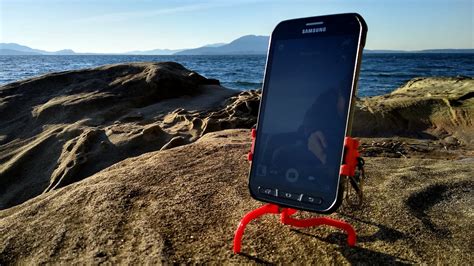
No matter how good your camera is, shaky footage instantly detracts from professionalism. A sturdy tripod is arguably the most crucial piece of BTS gear. Look for a lightweight, versatile model that allows for various heights and angles, including overhead shots if possible. Mini tripods or flexible phone mounts can also be invaluable for securing your phone in unique positions, such as clamps to kitchen counters or shelves, capturing the intimate details of food prep.
Illuminating Authenticity: Natural Light and Simple LEDs
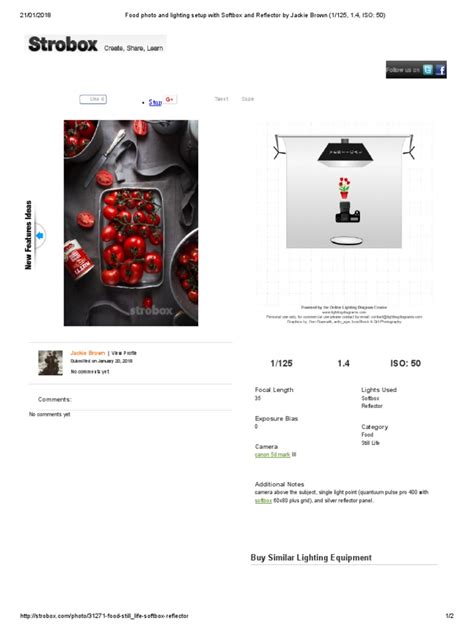
Natural light is your best friend when filming food. Position your prep area near a window to utilize soft, diffused light, which beautifully highlights textures and colors. If natural light is insufficient or inconsistent, a single, small LED panel can provide crucial fill light. Opt for panels with adjustable brightness and color temperature to match ambient light, ensuring your food looks vibrant and true-to-life without harsh shadows.
Don’t Forget Audio: Hear the Sizzle
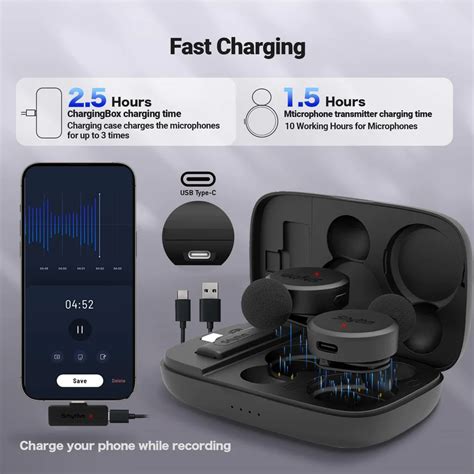
While visuals are paramount, good audio dramatically enhances the viewing experience. The sizzle of a pan, the chop of a knife, or a chef’s commentary adds an immersive layer. Built-in smartphone microphones can be limiting, especially in noisy kitchen environments. A simple lavalier (lapel) microphone, wired or wireless, connected to your phone or a separate recorder, can capture clear dialogue. For ambient sounds, consider a small shotgun mic or even relying on the smartphone’s built-in mic if the environment is quiet and the phone is close to the action.
Elevating Your Angles: Beyond the Eye-Level Shot
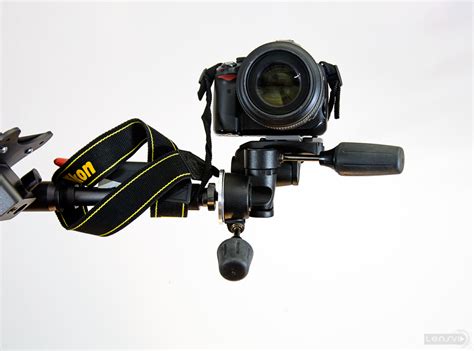
To truly showcase the farm-to-table process, experiment with different perspectives. An overhead shot, often achieved with a c-stand or a DIY rig, can beautifully capture the intricate work of hands preparing ingredients. Small action cameras like a GoPro can be mounted in unique spots, offering dynamic points of view that a traditional camera might miss, without being overly intrusive.
Workflow Tips for Compelling BTS Content
- Plan Your Shots: Even with simple gear, a basic shot list or storyboard ensures you capture all key moments, from ingredient harvesting (if applicable) to plating.
- Focus on Detail: Get close-ups of fresh produce, the texture of dough, or the precise knife work. These details tell a powerful story.
- Keep it Clean: A tidy workspace enhances the visual appeal and professionalism of your content.
- Capture the “Why”: Don’t just show what is being done, but also hint at why. Emphasize sustainability, freshness, or a particular technique.
Conclusion: Storytelling with Accessible Tools
Showing the authentic farm-to-table food prep process doesn’t require a large budget or complex equipment. By leveraging the power of your smartphone, investing in a good tripod, optimizing your lighting, and paying attention to audio, you can create compelling, high-quality behind-the-scenes content that truly resonates with your audience. The magic lies not in the gear itself, but in the story you tell and the authenticity you convey through simple, effective means.