Simple composting methods for kitchen scraps to enrich country garden beds?
Harnessing Kitchen Scraps for a Thriving Country Garden
For country garden enthusiasts, the journey to a more vibrant and productive landscape often begins right in the kitchen. Instead of discarding fruit peels, vegetable scraps, and coffee grounds, these everyday discards can be transformed into a gardener’s gold: nutrient-rich compost. This article explores simple composting methods perfect for enriching your country garden beds, turning waste into a powerful resource for healthier soil and happier plants.
Composting is nature’s recycling system, breaking down organic matter into humus, a dark, earthy material that improves soil structure, water retention, and nutrient availability. For expansive country gardens, incorporating homemade compost is a sustainable and cost-effective way to boost soil health naturally.
Why Your Country Garden Needs Composted Kitchen Scraps
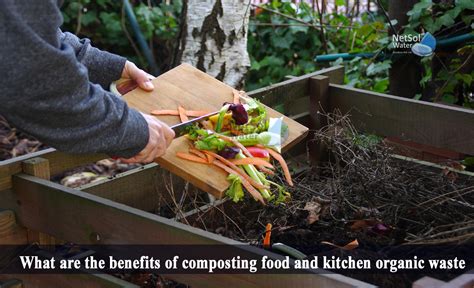
Country garden soils, while often rich, can benefit immensely from the consistent addition of organic matter. Composted kitchen scraps provide a slow-release form of nutrients, reducing the need for chemical fertilizers. They enhance microbial life, which is crucial for nutrient cycling, and improve soil tilth, making it easier for roots to penetrate and access water.
Furthermore, composting diverts waste from landfills, reducing your environmental footprint. It’s a satisfying cycle where your garden truly benefits from your kitchen’s bounty, creating a closed-loop system that nurtures both your plants and the planet.
Simple Composting Methods for Your Country Setting
The beauty of composting is its flexibility. Several methods are straightforward enough for anyone to adopt, regardless of their gardening experience.
1. The Easy Compost Pile or Bin
This is perhaps the most traditional and simplest method for country gardens. A dedicated area, either a free-standing pile or a simple three-sided bin made from pallets or chicken wire, can serve as your composting hub. Layer your kitchen scraps (greens) with yard waste like leaves, straw, or wood chips (browns). The key is a good mix, moisture (like a wrung-out sponge), and occasional turning to aerate the pile. In a few months, depending on the conditions, you’ll have beautiful, dark compost.

2. Trench Composting: Bury and Forget
Trench composting is ideal for those who prefer an inconspicuous method and direct soil enrichment. Simply dig a trench or hole 12-18 inches deep in an unused part of your garden bed or between rows. Bury your kitchen scraps, cover them with soil, and let the soil organisms do the work. The nutrients release directly into the surrounding soil as the scraps decompose, making it an excellent long-term soil builder. Just remember to rotate your trench locations.

3. Bokashi Composting: Ferment and Integrate
While slightly more involved, Bokashi composting is a fantastic anaerobic (oxygen-free) fermentation method that can handle all kitchen scraps, including meat and dairy, which are typically avoided in traditional piles. Kitchen scraps are layered in an airtight bucket with Bokashi bran (inoculated with beneficial microbes). After fermenting for 2-3 weeks, the pickled scraps are then buried in a garden trench or added to a traditional compost pile for final decomposition. This method is fast and prevents odors, making it great for kitchens.
4. Vermicomposting: Worms Doing the Work
For smaller batches of kitchen scraps or for those fascinated by nature’s engineers, vermicomposting (worm composting) is a clean and efficient option. A dedicated worm bin (easily made or purchased) houses red wiggler worms that devour kitchen scraps, turning them into highly potent worm castings. These castings are a superfood for your garden beds, rich in nutrients and beneficial microbes. Worm bins can be kept outdoors in a shaded, sheltered spot in a country setting.
What to Compost and What to Avoid
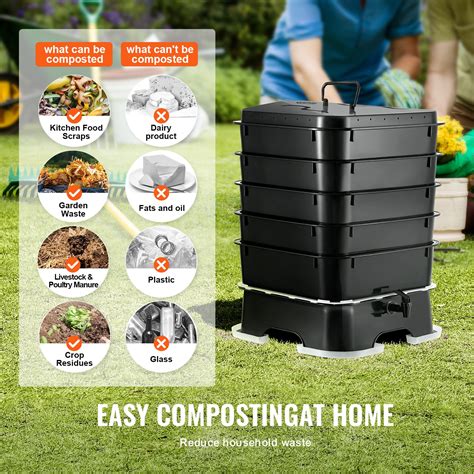
For most simple methods (piles, bins, trench), ‘greens’ (nitrogen-rich) include fruit and vegetable scraps, coffee grounds, tea bags, and fresh grass clippings. ‘Browns’ (carbon-rich) include dried leaves, straw, shredded newspaper, and small twigs. Avoid meat, dairy products, oily foods, diseased plants, and pet waste in traditional compost systems, as they can attract pests, create odors, and introduce pathogens.
Tips for Composting Success
- Balance Greens and Browns: Aim for a 50/50 mix by volume for optimal decomposition.
- Moisture is Key: The pile should feel like a damp sponge – not soaking wet, not bone dry.
- Aeration: Turn your compost pile regularly (weekly to monthly) to introduce oxygen, which speeds up decomposition and prevents odors.
- Size Matters: Chop larger scraps into smaller pieces; they break down faster.
- Patience: Composting is a natural process; it takes time. The payoff is worth the wait.

Integrating Your Finished Compost into Garden Beds
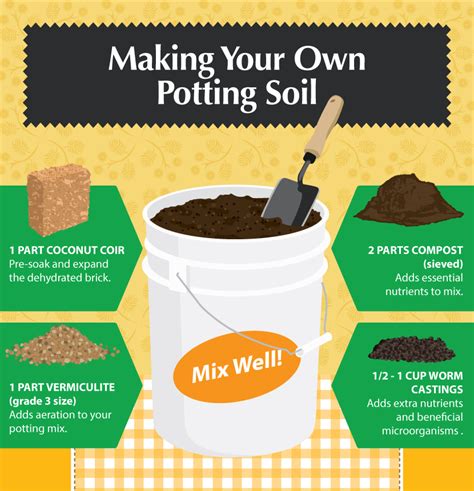
Once your compost is dark, crumbly, and smells like fresh earth, it’s ready for your country garden beds. Spread a 1-2 inch layer over your garden beds in spring or fall, and gently work it into the top few inches of soil. You can also side-dress existing plants, incorporate it into planting holes, or use it as a nutrient-rich potting mix amendment. The improved soil structure and nutrient content will invigorate your plants, leading to robust growth and abundant harvests.
Conclusion: A Greener Garden Awaits
Embracing simple composting methods for your kitchen scraps is more than just waste management; it’s an investment in the long-term health and vitality of your country garden. By transforming everyday discards into a precious resource, you’re not only cultivating a more fertile garden but also fostering a deeper connection to sustainable living. Start today, and watch your garden flourish with the power of homemade compost.