



Simple DIY chicken coop plans for backyard hens?

Embarking on the journey of raising backyard chickens is a rewarding experience, offering fresh eggs and charming companionship. One of the first and most crucial steps is providing a safe, comfortable home for your feathered friends. While many pre-made coops are available, building your own DIY chicken coop can be a cost-effective and personalized project, ensuring it meets your specific needs and your chickens’ welfare. This guide will walk you through simple plans and considerations to help you create the perfect abode for your hens.
Why Go DIY for Your Chicken Coop?
Building a chicken coop from scratch gives you complete control over its design, materials, and features. You can tailor it to fit your backyard space, accommodate the exact number of chickens you plan to keep, and incorporate elements that prioritize their health and happiness. Plus, it’s often more economical than purchasing a pre-built model, allowing you to reallocate savings towards feed or other chicken supplies.

Essential Considerations Before You Build
Before you even pick up a hammer, a little planning goes a long way. Consider these crucial factors:
- Size Matters: Chickens need adequate space. A general rule of thumb is 2-4 square feet per chicken inside the coop and 8-10 square feet per chicken in an outdoor run. Overcrowding leads to stress and health issues.
- Predator Protection: This is paramount. Your coop must be secure against raccoons, foxes, hawks, and other local predators. Use sturdy hardware cloth (not chicken wire, which is too flimsy) on all openings, secure latches, and consider burying wire around the perimeter of the run to prevent digging.
- Ventilation: Good airflow is vital to prevent respiratory problems and reduce ammonia buildup. Ensure there are vents near the roofline, but avoid drafts directly on the birds, especially in winter.
- Weather Protection: The coop needs to shield your chickens from rain, snow, wind, and extreme temperatures. A solid roof and insulated walls (if in a very cold climate) are important.
- Ease of Cleaning: Design your coop with cleaning in mind. Removable droppings trays, easy-access doors, and smooth, cleanable surfaces will make maintenance much simpler.
Key Features of a Functional Coop
Every good chicken coop, regardless of its simplicity, should include these basic features:
- Roosting Bars: Chickens instinctively roost at night. Provide sturdy bars (1.5-2 inches wide, with rounded edges) placed 18-24 inches off the ground, allowing 8-10 inches of space per bird.
- Nesting Boxes: Offer one nesting box for every 3-4 hens. Boxes should be about 12x12x12 inches and filled with clean straw or pine shavings, placed in a darker, quieter corner of the coop.
- Feeder and Waterer: Keep these elevated to prevent contamination. Ensure they are easily accessible to the chickens but safe from pests.
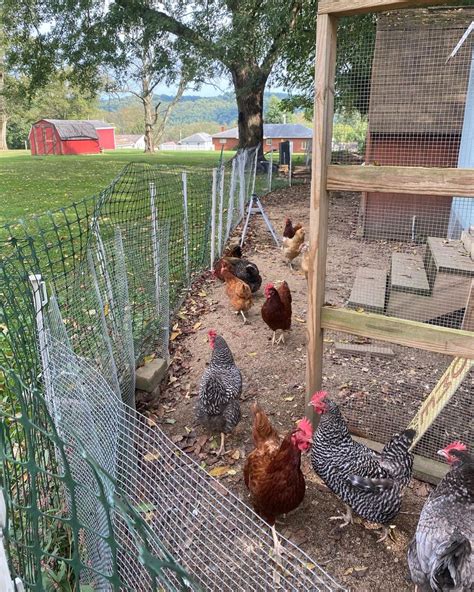
- Outdoor Run: While not part of the enclosed coop structure, an attached, secure outdoor run provides chickens with space to forage, dust bathe, and get fresh air and sunshine.

Simple DIY Coop Design Ideas
You don’t need complex blueprints to build a great coop. Here are a few simple concepts:
The A-Frame Coop
Known for its simplicity and portability, the A-frame is essentially a triangular structure. One side often features a door and nesting boxes, while the base provides ground access for the run. These are typically smaller and ideal for 2-4 hens.
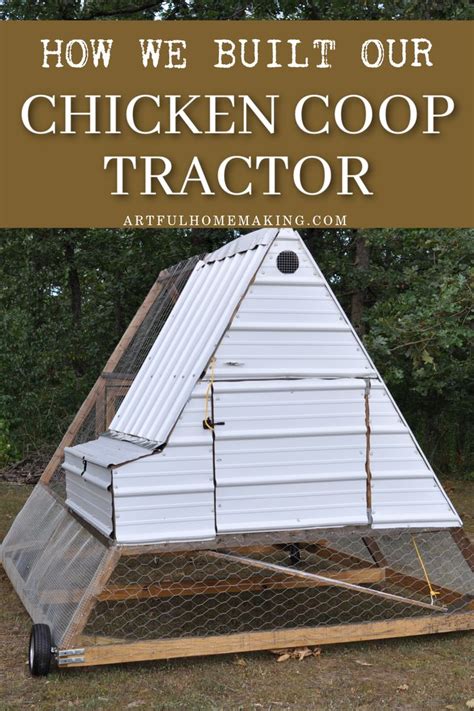
The Chicken Tractor
A “chicken tractor” is a mobile coop and run combination that can be moved around your yard, allowing chickens to fertilize and clear weeds from different areas. It typically has wheels or skids and a lightweight frame.
Refurbished Shed or Playgroup
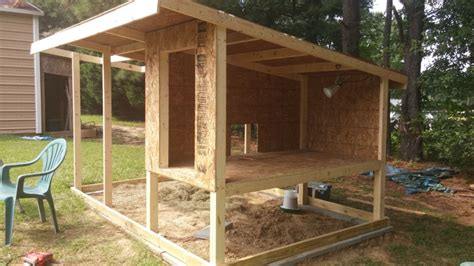
Sometimes the easiest coop is one made from an existing structure. A small garden shed, a dog house, or even a child’s playhouse can be converted into a functional chicken coop with a few modifications: adding roosts, nesting boxes, proper ventilation, and predator-proofing.
Basic Steps to Building Your Coop
- Plan Your Design: Sketch out your coop, noting dimensions, materials, and features. Consider your budget and skill level.
- Gather Materials: Common materials include lumber (treated for ground contact), plywood, hardware cloth, roofing material (shingles, metal, or tarp), hinges, latches, and screws/nails.
- Build the Frame: Construct the basic skeletal structure of your coop using sturdy lumber.
- Install Walls and Roof: Attach plywood or other siding to the frame, ensuring it’s weather-tight. Install your chosen roofing material.
- Add Doors and Openings: Cut out and frame doors for human access and a smaller pop-hole for chickens. Install windows or ventilation openings, covering them securely with hardware cloth.
- Interior Fit-Out: Install roosting bars and build/secure nesting boxes inside.
- Predator-Proofing: Double-check all seams, corners, and openings. Ensure latches are secure. Consider burying hardware cloth around the run perimeter.
- Final Touches: Paint or seal the exterior for longevity. Add bedding (straw or pine shavings) to the nesting boxes and coop floor.
Tips for a Successful DIY Coop Project
- Start Simple: Don’t try to build a mansion for your first coop. A basic, functional design is often best for beginners.
- Measure Twice, Cut Once: Accuracy saves time and materials.
- Safety First: Wear appropriate safety gear, including gloves and eye protection.
- Don’t Skimp on Security: Predators are persistent. Invest in good quality hardware cloth and strong latches.
- Observe Your Hens: After moving your chickens in, watch their behavior. Do they seem comfortable? Is there enough space? Adjust as needed.
Conclusion
Building a simple DIY chicken coop is a rewarding project that provides a safe and comfortable home for your backyard hens. By planning carefully, considering essential features like predator protection and ventilation, and utilizing basic construction steps, you can create a functional and personalized coop that will serve your flock for years to come. Enjoy the fresh eggs and the delightful company of your happy, healthy chickens!