Simple DIY compost bin? What materials make the fastest, richest garden compost?
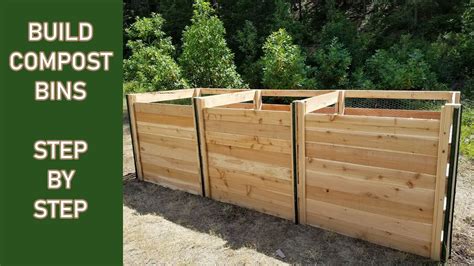
Unlock Your Garden’s Potential with DIY Composting
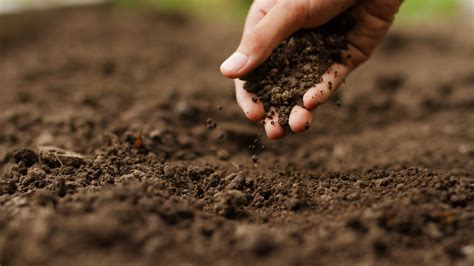
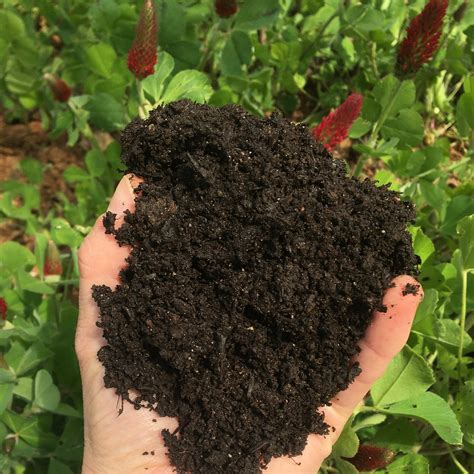
Composting is a cornerstone of organic gardening, turning kitchen scraps and yard waste into a rich, dark soil amendment that nourishes plants, improves soil structure, and reduces landfill waste. The good news is, you don’t need a fancy, expensive system to get started. A simple DIY compost bin can be incredibly effective, and understanding the right materials will help you create the fastest, richest compost possible.
Simple DIY Compost Bin Ideas
Creating your own compost bin can be as easy or as involved as you like. The goal is to contain your organic materials while allowing air circulation and easy access for turning. Here are a few popular, straightforward options:
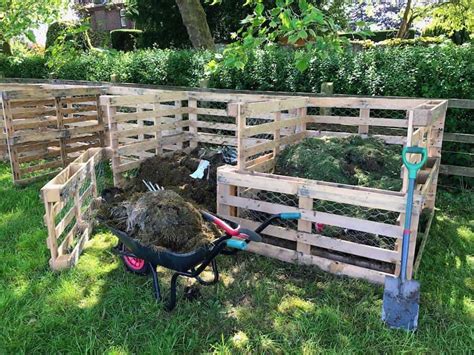
1. The Pallet Bin
Often considered the gold standard for simple DIY bins, a three or four-sided structure made from discarded wooden pallets is robust, well-ventilated, and easy to assemble. You can secure them with wire, zip ties, or bolts. A three-sided bin allows for easy access to turn the pile, while a four-sided bin can be more contained, often with one side hinged for removal.
2. Wire Mesh Cylinder
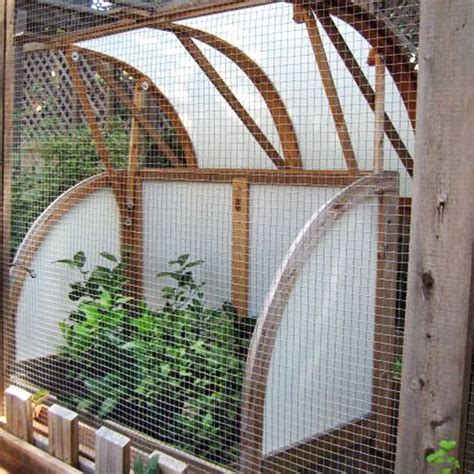
For an even simpler approach, purchase a roll of hardware cloth or chicken wire, form it into a cylinder, and secure the ends with wire. This offers excellent airflow and is very inexpensive. It’s ideal for smaller batches or if you have limited space.
3. Repurposed Trash Can
An old plastic trash can can be transformed into a compost bin by drilling numerous holes in the sides and bottom for drainage and aeration. Be sure to place it directly on soil to allow beneficial microbes and worms access. The lid helps retain moisture and heat.
The Essential Ingredients: Greens and Browns
The secret to fast, rich compost lies in balancing your ‘greens’ and ‘browns.’ This refers to the carbon-to-nitrogen (C:N) ratio, which is crucial for microbial activity.
Greens (Nitrogen-Rich Materials)
These materials are typically moist and supply nitrogen, which fuels the rapid growth and reproduction of the microorganisms that break down your compost pile. They are often responsible for heating up the pile.
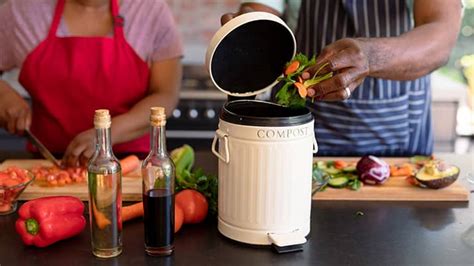
- Food Scraps: Fruit and vegetable peels, coffee grounds, tea bags, eggshells.
- Fresh Garden Waste: Grass clippings (use sparingly as they can compact), green plant trimmings, spent flowers.
- Manures: Fresh animal manures (from herbivores like chickens, rabbits, horses, cows – avoid pet waste).
Browns (Carbon-Rich Materials)
These materials are typically dry and provide the carbon that serves as an energy source for decomposers, adding bulk and structure to the pile, preventing it from becoming a slimy, smelly mess.
- Fallen Leaves: Especially effective when shredded.
- Woody Materials: Small twigs, wood chips, sawdust (in moderation).
- Paper Products: Shredded newspaper, plain cardboard (torn into small pieces), paper towel/toilet paper rolls.
- Straw or Hay: Excellent for adding bulk and aeration.
Achieving the Fastest, Richest Compost
Beyond the right materials, several factors contribute to a speedy and nutrient-dense compost batch:
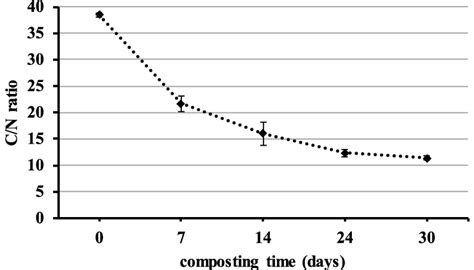
1. The Ideal Ratio
Aim for a ratio of roughly 2 parts browns to 1 part greens by volume. This provides the ideal C:N balance for microorganisms to thrive. Too many greens can lead to a smelly, anaerobic pile; too many browns will slow decomposition to a crawl.
2. Smaller Pieces Decompose Faster
The smaller your materials, the more surface area is available for microorganisms to attack. Chop or shred kitchen scraps, leaves, and cardboard before adding them to the pile. This is one of the quickest ways to speed up the process.
3. Moisture is Key
Your compost pile should be consistently moist, like a wrung-out sponge. Too dry, and decomposition slows; too wet, and it becomes anaerobic and smelly. Water your pile if it’s too dry, especially during dry spells, and turn it if it seems too wet.
4. Aeration and Turning
Microorganisms need oxygen to work efficiently. Turning your compost pile regularly (once a week or every few days if you’re serious about speed) introduces air, mixes materials, and prevents compaction. This is crucial for rapid, odor-free decomposition.
5. Variety for Richness
The richer your compost, the more diverse its nutrient profile. Aim for a wide range of green and brown materials. This ensures a broad spectrum of macro- and micronutrients for your plants.
What to Avoid in Your Compost Bin
For the fastest, richest, and safest compost, avoid:
- Meat, bones, and dairy products: Attract pests, create foul odors, and can harbor pathogens.
- Fats, oils, and grease: Slow decomposition and attract pests.
- Diseased plants: Can spread disease to your garden.
- Weeds with seeds: May survive composting and sprout in your garden.
- Pet waste: Contains pathogens harmful to humans.
- Chemically treated wood: Releases harmful chemicals.
Conclusion
Building a simple DIY compost bin is an empowering first step towards a more sustainable and productive garden. By understanding the critical balance of greens and browns, maintaining proper moisture and aeration, and incorporating a variety of materials, you’ll soon be harvesting rich, dark ‘black gold’ that will transform your garden beds and pots. Happy composting!