Simple DIY compost bin: what materials work best for quick decomposition?

Unlock the Power of Speedy Composting
Composting is an eco-friendly practice that transforms organic waste into nutrient-rich soil amendment. While any compost pile will eventually break down, the goal for many DIY enthusiasts is often rapid decomposition. Achieving this requires not just the right bin but also a careful selection and management of materials. Let’s explore how to build a simple compost bin and, more importantly, what materials will help you achieve that coveted quick turnaround.
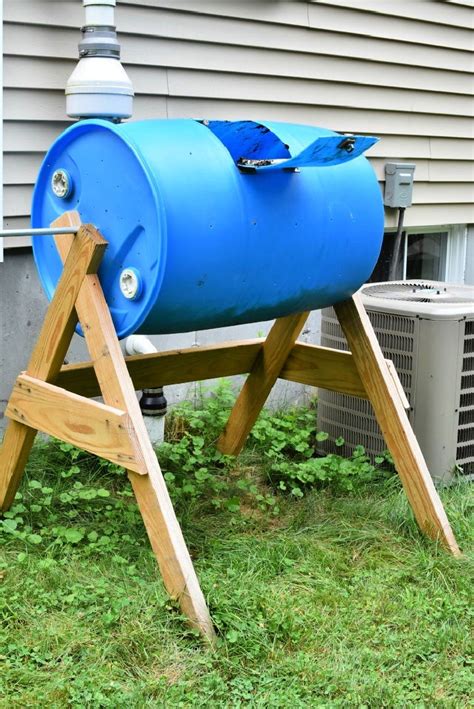
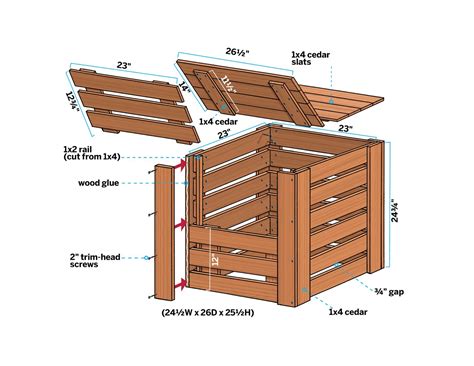
Choosing Your Simple DIY Compost Bin Design
The beauty of a DIY compost bin lies in its simplicity. You don’t need complex machinery; just a structure that provides containment and, critically, airflow. Here are a few popular and effective designs:
- Pallet Bin: Easily constructed from four wooden pallets wired or bolted together, this design offers excellent ventilation through the gaps in the wood. It’s robust and can handle a substantial volume of material.
- Wire Mesh Cylinder: Formed by bending a section of wire fencing into a cylinder and securing the ends, this is perhaps the simplest and cheapest option. It provides maximum airflow, crucial for aerobic decomposition.
- Stacking Bins: Using three bins side-by-side allows you to turn the compost from one bin to the next, promoting aeration and heat generation for faster results.

The Basics of Quick Composting: Greens, Browns, Air, and Moisture
To achieve fast decomposition, your compost bin needs a balanced diet of ‘greens’ (nitrogen-rich materials) and ‘browns’ (carbon-rich materials), along with adequate moisture and plenty of oxygen. This balance fuels the microbes that do all the hard work.
Best Materials for Rapid Decomposition: The ‘Greens’
These nitrogen-rich materials are the ‘activators’ that get your pile hot and working quickly. Aim for a higher proportion of these by volume, but balance is key.
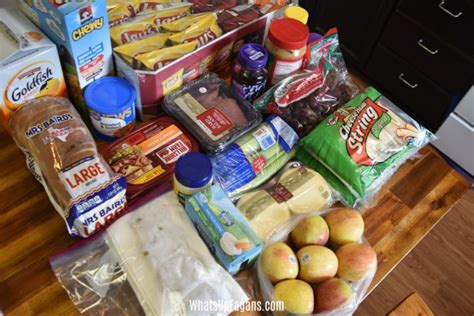
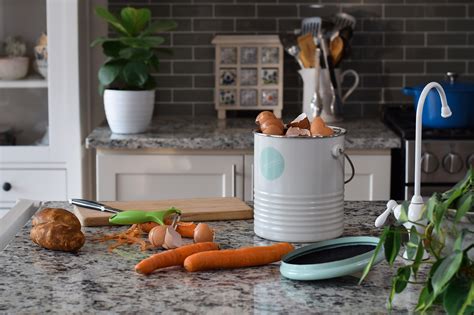
- Food Scraps: Vegetable and fruit peels, cores, coffee grounds, and tea bags are excellent. Their high moisture content and readily available nitrogen are perfect for kickstarting decomposition. Avoid meat, dairy, and oily foods, which attract pests and slow the process.
- Fresh Grass Clippings: A powerhouse of nitrogen, grass clippings heat up a pile rapidly. Use them in thin layers to prevent matting and anaerobic conditions.
- Green Plant Trimmings: Soft, leafy green plant material from your garden (weeds before they go to seed, annual plant trimmings) are great contributors. Chop them into smaller pieces for faster breakdown.
Best Materials for Rapid Decomposition: The ‘Browns’
Carbon-rich ‘browns’ provide energy for microorganisms and create the structure that allows air to penetrate the pile. They prevent compaction and odors.
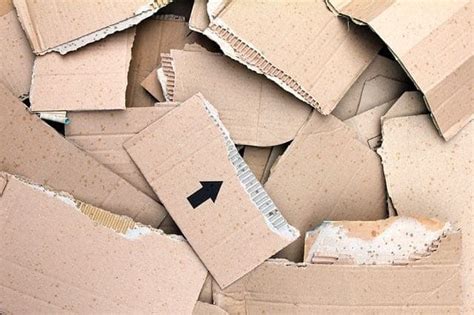
- Shredded Cardboard and Paper: Unwaxed, uncolored cardboard (like cereal boxes, paper towel rolls) and plain newspaper (in moderation) are excellent. Shredding them maximizes surface area.
- Dried Leaves: Abundant in autumn, dried leaves are a fantastic carbon source. Crushing or shredding them first will speed up their decomposition significantly.
- Straw and Hay: These provide excellent bulk and structure, promoting aeration. Ensure they haven’t been treated with herbicides.
- Wood Shavings/Sawdust: In small amounts, untreated wood shavings or sawdust can be added. They are very high in carbon and decompose slower, so use sparingly or balance with extra greens.
Accelerating the Decomposition Process Even Further
Beyond material selection, these practices will significantly boost your compost’s speed:
- Chop Everything Small: The smaller the pieces of organic matter, the more surface area is exposed to microbes, leading to faster breakdown.
- Maintain Moisture: Your compost pile should feel like a wrung-out sponge – damp, but not soggy. Too dry, and activity slows; too wet, and it becomes anaerobic and smelly.
- Turn Regularly: Aeration is key! Turning your pile every few days or weekly introduces oxygen, prevents compaction, and distributes heat and moisture evenly. This is the single most effective way to speed things up.
- Balance Your Ratio: Aim for a 2:1 or 3:1 ratio of browns to greens by volume. Getting this balance right creates an optimal environment for microbial activity.

Conclusion: Fast Compost, Healthy Garden
Building a simple DIY compost bin and carefully selecting your ‘greens’ and ‘browns’ are the first steps towards achieving rapid decomposition. By understanding the roles of nitrogen and carbon, maintaining ideal moisture, and actively aerating your pile, you can quickly transform your organic waste into rich, dark compost. This not only diverts waste from landfills but also provides your garden with a invaluable, sustainable nutrient source, giving you more time to enjoy its benefits.