Simple DIY composting for richer garden soil?

Unlocking Garden Potential with DIY Composting
Are you looking for a simple, eco-friendly way to boost your garden’s health and reduce household waste? Look no further than DIY composting! Often referred to as ‘black gold’ by gardeners, compost is a natural soil amendment rich in nutrients that can dramatically improve your garden soil, leading to healthier, more robust plants and bountiful harvests. Best of all, it’s surprisingly easy to start right in your backyard.
Composting is the natural process of recycling organic matter—like kitchen scraps and yard waste—into a rich, dark material. This process not only diverts waste from landfills but also provides your soil with essential microorganisms, improves its structure, enhances water retention, and reduces the need for chemical fertilizers.

The Magic Ingredients: What to Compost (and What Not To)
The beauty of composting lies in its simplicity. Your compost pile needs a good balance of ‘greens’ (nitrogen-rich materials) and ‘browns’ (carbon-rich materials) to thrive. Think of greens as the fuel for decomposition and browns as the structure and aeration providers.
Ideal Compostables (Greens):
- Fruit and vegetable scraps
- Coffee grounds and tea bags
- Grass clippings
- Fresh plant trimmings
- Eggshells
Ideal Compostables (Browns):
- Dried leaves
- Shredded newspaper and cardboard
- Wood chips or sawdust (untreated)
- Straw or hay
- Small twigs
What to Avoid: Meat, bones, dairy products, oily foods (attract pests), diseased plants (spread pathogens), pet waste (contains harmful bacteria), and chemically treated wood or plants.
Simple Setups: Choosing Your Composting Method
You don’t need fancy equipment to start composting. There are several simple methods to choose from, depending on your space and budget:
- Open Pile: The most basic method. Simply designate an area in your yard and start layering materials. Best for larger yards.
- Compost Bins: These can be DIY (made from pallets, wire mesh, or old trash cans with holes) or purchased. Bins help contain the pile, retain heat, and often look tidier.
- Compost Tumblers: These sealed containers sit on a frame and can be rotated, making turning the compost effortless and speeding up the decomposition process.
For beginners, a simple DIY bin or even an open pile is a great way to start without much upfront investment. Focus on getting the process right, and you can always upgrade later.

Building Your Compost Pile: A Step-by-Step Guide
Starting your compost pile is like building a lasagna of organic goodness:
- Choose a Spot: Select a shady, well-drained area near your garden and a water source.
- Start with Browns: Begin with a layer of coarse brown materials (like small twigs or straw) at the bottom for good drainage and airflow.
- Layer It Up: Alternate layers of ‘greens’ and ‘browns.’ A good rule of thumb is to aim for roughly twice as much brown material as green by volume.
- Moisture is Key: After adding each layer, lightly moisten it. The pile should feel like a damp sponge, not soaking wet.
- Keep Adding: Continue adding layers as you accumulate scraps. Chop larger materials into smaller pieces to speed up decomposition.
Nurturing Your ‘Black Gold’: Maintenance and Troubleshooting
Once your pile is built, a little maintenance will go a long way:
- Turn Regularly: Aim to turn your compost pile every week or two with a pitchfork. This aerates the pile, distributes moisture, and helps the decomposition process by mixing materials and introducing oxygen to the microbes.
- Check Moisture: Ensure the pile remains consistently moist. If it’s too dry, decomposition slows; if too wet, it can become anaerobic and smelly. Add water if dry, or more browns if too wet.
- Troubleshooting: If your pile smells rotten, it’s likely too wet or lacks aeration – add more browns and turn it. If it’s not decomposing, it might be too dry, or lack enough ‘greens’ – add water or nitrogen-rich materials.
Harvesting and Applying Your Rich Compost
You’ll know your compost is ready when it’s dark brown, crumbly, has an earthy smell, and you can no longer identify the original materials. This can take anywhere from a few weeks (with diligent turning) to several months, depending on your method and materials.
Once ready, your finished compost can be used in numerous ways:
- Soil Amendment: Mix it into your garden beds before planting to improve soil structure and nutrient content.
- Top Dressing: Spread a layer around existing plants to provide a slow-release nutrient boost.
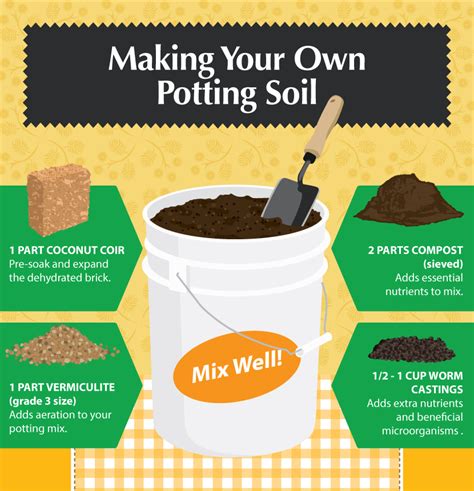
- Potting Mix: Blend with soil and other components to create a nutrient-rich potting mix for containers.
- Lawn Care: Spread thinly over your lawn to improve turf health.

Conclusion: Embrace the Composting Journey
Starting a DIY compost pile is a rewarding journey that benefits your garden, your wallet, and the environment. It’s a simple, sustainable practice that transforms everyday waste into a valuable resource, nurturing your plants and enriching your soil naturally. So, gather your scraps, choose your method, and embark on the path to creating your very own ‘black gold’ for a truly vibrant garden!