
Simple DIY for long-term storage of root vegetables without a fancy root cellar?

Unlock Long-Term Freshness: DIY Root Vegetable Storage
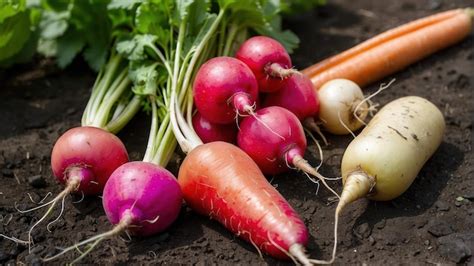
Many home gardeners face the delightful dilemma of a bountiful root harvest, only to wonder how to preserve it without a dedicated root cellar. The good news is you don’t need a fancy underground chamber to keep your carrots, potatoes, and beets fresh for months. With a few simple DIY techniques and common household materials, you can create ideal storage conditions right at home, extending your harvest well into the colder months.
The Basics of Long-Term Root Vegetable Storage
Root vegetables thrive in cool, dark, and moderately humid environments. These conditions are crucial because they slow down respiration, prevent sprouting, inhibit wilting, and drastically reduce the chances of spoilage. Replicating this ideal environment is the core principle behind successful DIY storage, allowing your vegetables to remain dormant and fresh.

Method 1: The Sand, Sawdust, or Peat Moss Layering Method
This classic method is incredibly effective and mimics the natural insulation of soil. You’ll need a large, sturdy container – a plastic bin with a lid, a wooden crate, or even a heavy-duty cardboard box lined with plastic will work. The key is your chosen medium: clean play sand, sawdust (from untreated wood), or peat moss.
Lightly dampen your chosen medium; it should feel moist to the touch but not wet enough to drip. Place a 2-3 inch layer of the medium at the bottom of your container. Then, carefully arrange your clean, dry, and blemish-free root vegetables on top, ensuring they don’t touch each other. Cover them with another layer of the medium, then repeat the layering process until the container is full or you run out of vegetables.
Store the covered container in a cool (35-50°F / 2-10°C), dark place, such as an unheated basement, garage, or even a cool closet. Periodically check the moisture level of the medium and the condition of the vegetables, adding a sprinkle of water if the medium dries out.

Method 2: In-Ground or Buried Storage
For those with a garden space and suitable soil, burying vegetables directly in the ground offers a naturally cool, dark, and stable environment. This method is particularly effective for hardy roots like potatoes, carrots, parsnips, and beets in climates where the ground doesn’t freeze too deeply.
Choose a well-drained spot in your garden. Dig a trench or a hole about 18-24 inches deep. Line the bottom with a layer of straw, then place your vegetables, ideally within a breathable container like a plastic bin with drainage holes or a bushel basket. Cover the vegetables with more straw for insulation, then backfill the hole with soil, mounding it slightly to shed water away. Mark the location clearly.
The earth provides excellent natural insulation, keeping temperatures stable just above freezing. This method is surprisingly effective and requires minimal oversight once established, making it a truly ‘set it and forget it’ option for many.
Method 3: Optimizing Cool Basement or Garage Spaces
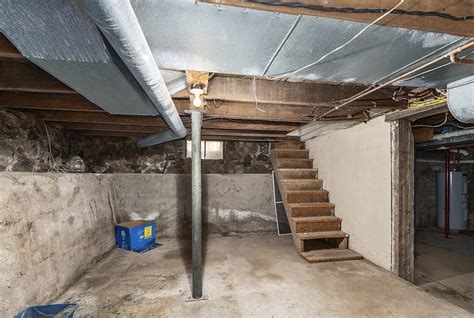
If you have an unheated basement, cellar, or garage, you already have a head start. The goal here is to maximize humidity and minimize light and temperature fluctuations to create a ‘mini root cellar’ within your existing space.
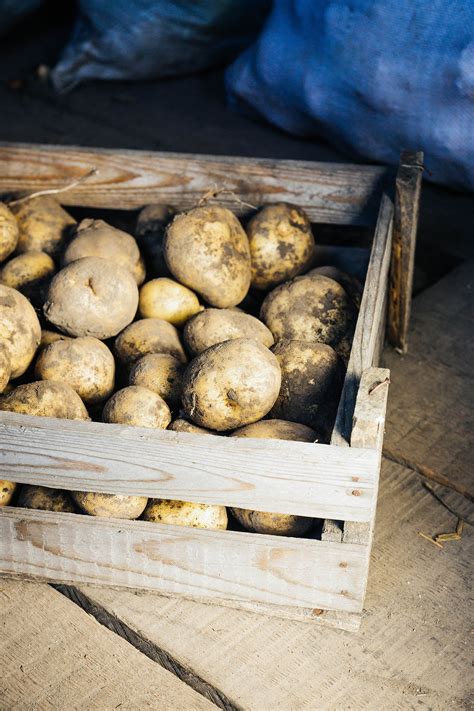
For potatoes and sweet potatoes, store them in open crates, burlap sacks, or sturdy cardboard boxes in a dark corner. Potatoes prefer slightly cooler temperatures (45-50°F / 7-10°C) and moderate humidity, while sweet potatoes need it warmer (55-60°F / 13-16°C) and higher humidity. Avoid storing apples near potatoes, as apples release ethylene gas which can cause potatoes to sprout faster.
For carrots, beets, and other hardy roots, consider using large plastic bins with loosely fitting lids. To boost humidity, you can place a damp towel over the vegetables or include a small bowl of water inside the bin. The lid helps trap moisture while still allowing minimal airflow. Ensuring darkness is key for all root vegetables to prevent sprouting and maintain quality.
Essential Tips for Success
- Harvest Carefully: Handle all root vegetables gently to avoid bruising, which can create entry points for rot.
- Clean, Don’t Wash: Brush off excess dirt from your roots, but do not wash them before storage. Moisture on the surface encourages spoilage.
- Cure Certain Roots: Onions, garlic, and sweet potatoes benefit greatly from a curing period (typically a few weeks in a warm, dry, well-ventilated area) before long-term storage. This hardens their skins and improves their keeping quality.
- Inspect Regularly: Check your stored vegetables every few weeks. Promptly remove any that show signs of spoilage (soft spots, mold, sprouting) to prevent it from spreading to others.
- Ensure Good Airflow: While humidity is important, stagnant, overly damp air can be detrimental. Ensure adequate ventilation for your storage containers to prevent mold and rot.
With these simple, low-cost DIY methods, you can extend your harvest well into the colder months, enjoying homegrown goodness without the need for an expensive root cellar. Experiment with different techniques to find what works best for your specific vegetables, climate, and available space, and relish the taste of your preserved bounty!