



Simple DIY for preserving garden herbs without electricity?

Embrace Off-Grid Herb Preservation
There’s a special satisfaction that comes from stepping into your garden, harvesting fragrant herbs, and knowing you can enjoy their essence long after the growing season ends. While modern appliances make preservation quick, understanding how to preserve garden herbs without electricity offers a valuable skill set. It’s not just for emergencies; it’s a sustainable, energy-efficient approach that often yields herbs with a more concentrated flavor profile, reconnecting you with age-old traditions and ensuring your culinary creations remain vibrant year-round.
Method 1: Air Drying – The Timeless Technique
Air drying is arguably the simplest and most widely used method for preserving herbs without any power. It relies on good air circulation and low humidity to slowly draw moisture out of the plant material, concentrating its essential oils and flavors.
Hanging Bundles
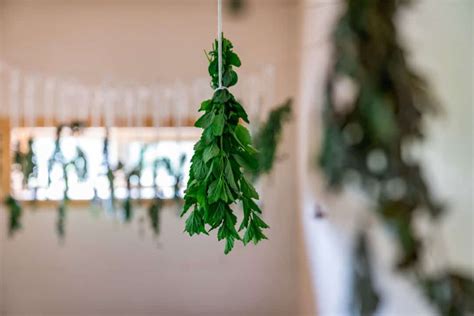
This method is perfect for woody-stemmed herbs like rosemary, thyme, oregano, marjoram, and sage. Harvest stems when they are dry (after morning dew has evaporated), remove any lower leaves that might mold, and gently tie small bundles (5-10 stems) together with twine. Hang them upside down in a warm, dry, well-ventilated area away from direct sunlight. An attic, a pantry, or a shed can work well. Covering the bundles loosely with a paper bag can protect them from dust and catch any falling leaves.
Drying on Screens or Racks
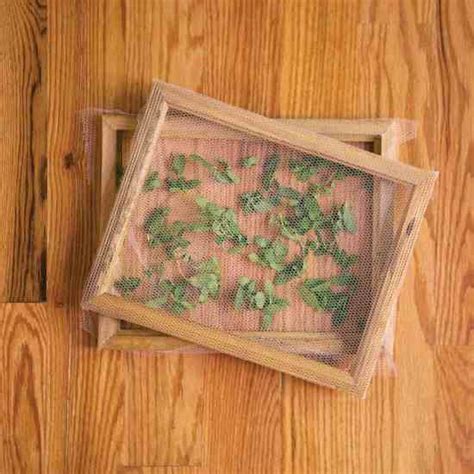
For more delicate herbs or those with smaller leaves, like mint, lemon balm, or bay leaves, drying on screens is often more effective. Lay a single layer of herbs on a clean, fine-mesh screen (like a window screen or a dedicated drying rack) in a warm, dry spot with good airflow. Turn them periodically to ensure even drying. This prevents moisture from accumulating and promotes uniform dehydration.
Regardless of the method, herbs are fully dried when they crumble easily between your fingers. This process typically takes one to three weeks, depending on the herb and ambient conditions.
Method 2: Salt Curing – An Ancient Flavor Preserver
Salt curing is an excellent way to preserve the vibrant flavor and color of certain herbs, especially those with robust textures like rosemary, sage, oregano, or thyme. While not drying them out completely like air drying, the salt draws out moisture and inhibits microbial growth, essentially creating an herb-infused salt that can be used in cooking for months.
The Simple Process
- Clean and Chop: Wash your chosen herbs thoroughly and pat them completely dry. Excess moisture is the enemy here. Finely chop the herbs, or leave some leaves whole if preferred.
- Layering: Choose a clean, airtight jar. Create a layer of coarse salt (sea salt or kosher salt work best) at the bottom.
- Add Herbs: Place a layer of chopped herbs over the salt.
- Repeat: Continue layering salt and herbs, ensuring the top layer is always salt, and that the herbs are completely covered.
- Seal and Store: Seal the jar tightly and store it in a cool, dark place. Over time, the herbs will release their moisture and infuse the salt with their flavor and aroma.
To use, simply take out a spoonful of the herb-infused salt and add it directly to your dishes. Remember that the salt content will be high, so adjust your seasoning accordingly. This method not only preserves the herbs but also creates a wonderfully aromatic seasoning blend.
Essential Tips for Success
- Harvesting Right: Always harvest herbs in the morning after the dew has dried but before the sun gets too hot, as this is when their essential oils are most concentrated.
- Cleanliness is Key: Ensure all herbs are clean and dry before preservation. Any moisture can lead to mold.
- Good Airflow: For air drying, adequate ventilation is crucial to prevent mold and ensure even drying.
- Check for Dryness: Herbs are fully dry when they are brittle and crumble easily. Any remaining flexibility indicates more drying time is needed.
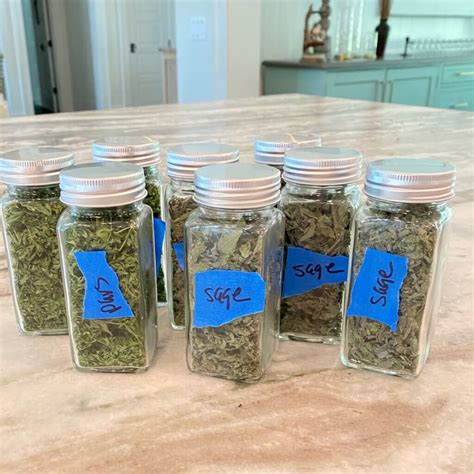
- Proper Storage: Once completely dry, store herbs in airtight containers (glass jars are ideal) in a cool, dark place away from direct sunlight and humidity. Label them with the herb name and date.
Conclusion: Savoring Your Harvest, Sustainably
Preserving garden herbs without electricity is a rewarding endeavor that connects you with time-honored practices. Whether you choose the simplicity of air drying or the rich flavors of salt curing, these methods ensure that the bounty of your garden can be savored long after the growing season has passed. Embrace these DIY techniques to enjoy fresh, potent flavors in your cooking, enhance your self-sufficiency, and reduce your reliance on modern energy.