


Simple DIY raised garden bed design to resist rot?

Building a raised garden bed is a fantastic way to improve soil quality, manage pests, and ease the strain on your back while gardening. However, one of the biggest challenges with wooden raised beds is their susceptibility to rot. Constant exposure to moist soil, water, and fungal activity can significantly shorten the lifespan of your beautiful garden structure. The good news is that with some thoughtful material choices and design principles, you can create a simple DIY raised garden bed that stands strong for many seasons.
Understanding the Enemy: Why Wood Rots
Wood rot is primarily caused by fungi that thrive in moist conditions, especially when wood is in direct contact with soil. Poor drainage, lack of air circulation, and certain types of wood accelerate this decay process. To build a rot-resistant bed, we need to address these core issues through smart material selection and clever design.
Choosing Your Materials for Maximum Longevity
The first and most crucial step is selecting the right materials. While cheaper lumber might be tempting, investing a little more upfront can save you significant repair or replacement costs down the line.
Naturally Rot-Resistant Woods
- Cedar: Known for its natural oils that deter insects and resist rot, cedar is a popular and excellent choice for raised beds. Western Red Cedar is particularly durable.
- Redwood: Similar to cedar, redwood boasts natural resistance to decay and insects. It’s a beautiful, long-lasting option but can be pricier depending on your region.
- Black Locust: An incredibly dense and naturally durable wood, black locust is an excellent, sustainable choice if available in your area, often lasting decades without treatment.
Treated Lumber (Use with Caution)
Pressure-treated lumber made with ACQ (Alkaline Copper Quaternary) or MCQ (Micronized Copper Quaternary) is generally considered safe for raised beds, as copper is naturally present in soil and is not highly mobile. However, some gardeners prefer to avoid treated wood entirely for edible gardens. If you do use it, consider lining the interior walls of the bed with a food-safe barrier.
Alternative Rot-Proof Materials
- Composite Decking: Made from recycled plastics and wood fibers, composite materials are virtually impervious to rot, insects, and decay. They are durable, low-maintenance, but can be more expensive.
- Corrugated Metal: Galvanized or coated metal panels are highly durable, rust-resistant, and offer a modern aesthetic. They are often used in conjunction with wood frames for support.
- Stone, Brick, or Concrete Blocks: These materials are completely rot-proof and offer a very sturdy, permanent solution. They can be more labor-intensive to build with but offer unmatched longevity.
- Recycled Plastic Lumber: Made entirely from recycled plastics, this material is another excellent, maintenance-free, and rot-proof option, though it can be costly.

Smart Design Principles for Rot Resistance
Beyond material choice, how you design and construct your raised bed plays a significant role in its lifespan.
Elevate the Base
Direct contact with the ground is a major source of moisture and fungal transfer. Consider these options:
- Gravel Base: Lay down a few inches of gravel or crushed rock underneath your bed to improve drainage and create a barrier between the wood and the soil below.
- Feet or Skids: Attach small rot-resistant feet (e.g., concrete blocks, composite lumber scraps, or treated wood skids) to the bottom of your bed frame to slightly elevate it, allowing air circulation underneath.
Internal Barriers and Liners
Even with rot-resistant wood, lining the interior can extend its life:
- Heavy-Duty Pond Liner or Landscaping Fabric: Staple a thick, durable pond liner (non-PVC for food safety) or heavy-duty landscaping fabric to the inside walls of your bed. This creates a barrier between the moist soil and the wood, significantly reducing rot. Ensure good drainage at the bottom.
- Air Gaps: For advanced designs, you can create a small air gap between the soil and the outer wooden wall by installing a secondary, thinner non-rotting inner wall (e.g., recycled plastic panels) separated by spacers.

Excellent Drainage is Key
Waterlogging is a rot accelerator. Ensure your bed has excellent drainage:
- Permeable Bottom: Most raised beds have an open bottom, allowing excess water to drain directly into the ground. If you’re building on an impermeable surface like concrete, you’ll need drainage holes and potentially a layer of gravel.
- Quality Soil Mix: Use a well-draining soil mix that contains compost, perlite, or vermiculite to prevent compaction and standing water within the bed.
Cap the Top Edge
The top edge of your raised bed is exposed to the elements and can be a prime spot for water to collect and wick into the end grain of the wood. Adding a cap or trim piece:
- Protects the end grain from direct rain and sun.
- Provides a wider surface for sitting or placing tools.
- Can be made from a more durable material like composite decking or metal flashing for extra protection.

Simple DIY Construction Steps
- Plan and Measure: Determine your desired dimensions and calculate material needs.
- Cut Materials: Cut your chosen lumber to size for the sides and ends of your bed.
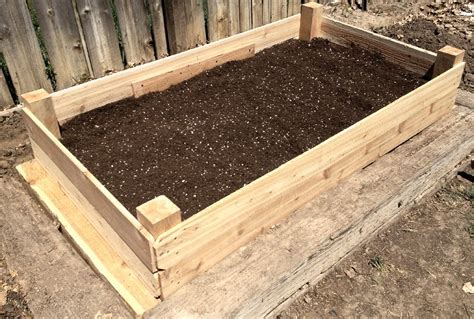
- Assemble the Frame: Use sturdy, exterior-grade screws or bolts (stainless steel is best to prevent rust stains) to join the corners. Consider using corner braces for added stability.
- Add Elevation/Drainage: Place concrete pavers, gravel, or attach small feet to the bottom of the frame.
- Install Liner (Optional but Recommended): Staple your chosen pond liner or heavy-duty landscape fabric to the inside walls, leaving the bottom open for drainage or puncturing holes if on an impermeable surface.
- Fill with Soil: Layer your preferred growing medium, ensuring good drainage.
Ongoing Maintenance for Extended Life
Even with the best materials and design, a little ongoing care can go a long way:
- Inspect Annually: Check for any signs of rot, especially at joints and where wood meets the soil. Address small issues before they become big problems.
- Improve Drainage: If you notice water pooling, consider adding more drainage holes or improving the underlying gravel layer.
- Keep Debris Clear: Remove leaf litter and other organic debris that can trap moisture against the wood.
- Consider a Non-Toxic Sealant: If using non-treated wood, applying a food-safe, non-toxic wood sealant or oil every few years can add an extra layer of protection, particularly to the outer surfaces.
Beyond Wood: Exploring Other Rot-Resistant Options
If you’re looking for a completely rot-proof solution, consider materials like galvanized steel stock tanks (with drilled drainage holes), pre-fabricated raised beds made from durable plastics or composites, or even gabion-style beds filled with rocks and lined with fabric for soil containment. These options often require less maintenance and offer extreme longevity.

Conclusion
Building a simple DIY raised garden bed that resists rot is entirely achievable with careful planning and material selection. By prioritizing naturally durable woods, incorporating smart design features like elevation and internal liners, and ensuring excellent drainage, you can create a beautiful and functional gardening space that will provide years of enjoyment without the worry of premature decay. Happy gardening!