


Simple DIY recipe for effective non-toxic garden pest spray from kitchen scraps?

Embrace Eco-Friendly Pest Control with Kitchen Scraps
For those who cherish a thriving garden, the battle against pests is often a recurring challenge. While commercial pesticides promise quick fixes, many gardeners, especially those embracing a country living ethos, are wary of the chemicals they introduce to their soil, food, and family. The good news? You don’t need harsh chemicals to deter unwanted visitors. Your kitchen, a hub of daily activity, holds the secret to an effective, non-toxic pest spray made from discarded scraps.
This article will guide you through a straightforward DIY recipe that transforms humble kitchen waste into a powerful defense for your garden. Not only will you keep your plants healthy, but you’ll also reduce waste, making this a win-win for your home and the environment.
Why Go DIY and Non-Toxic?
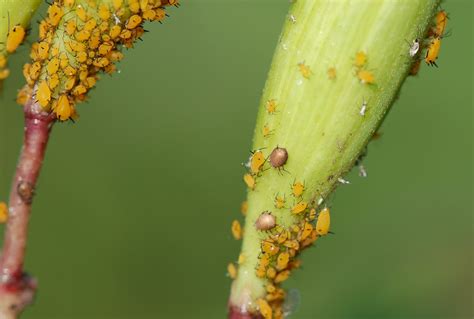
Opting for a homemade, non-toxic pest spray offers a multitude of benefits. Firstly, it safeguards the health of your family and pets by eliminating exposure to synthetic chemicals. Secondly, it protects beneficial insects, pollinators, and the overall biodiversity of your garden ecosystem. Many commercial sprays are indiscriminate, killing good bugs along with the bad.
Furthermore, utilizing kitchen scraps for pest control aligns perfectly with sustainable living principles. It’s an excellent way to divert organic waste from landfills, transforming potential trash into a valuable resource for your garden. It’s cost-effective too, saving you money on expensive store-bought solutions.
The Magic Ingredients from Your Kitchen
The secret to an effective pest spray lies in the natural compounds found in everyday kitchen items. Many plants produce chemicals as a defense mechanism against insects, and we can harness these properties for our own gardens.
- Garlic and Onion: These pungent aromatics contain sulfur compounds that are natural deterrents to a wide range of pests, including aphids, slugs, and spider mites. The strong smell disorients and repels them.
- Chili Peppers: Capsaicin, the compound that gives chilies their heat, acts as an irritant to many insects. A spray containing chili can discourage pests from feeding on your plants.
- Citrus Peels: Lemon, orange, grapefruit, and lime peels contain d-limonene, an oil that can dissolve the waxy coating on many soft-bodied insects, effectively suffocating them. It also has a repellent quality.
- Strong Herbs: Scraps from herbs like mint, basil, or even strong-smelling tea leaves can add an extra layer of deterrence with their potent aromas.

Your Simple Step-by-Step Recipe
Ingredients You’ll Need:
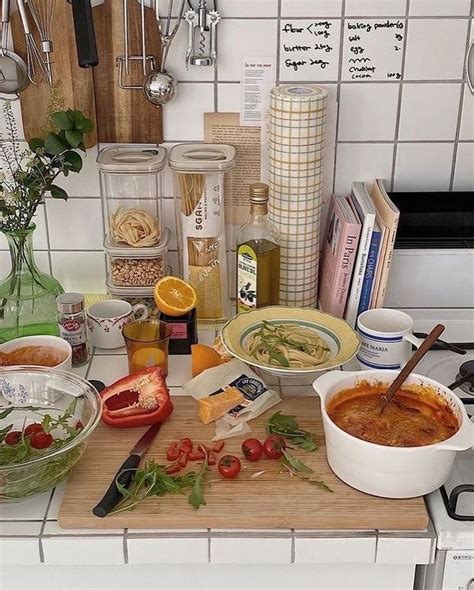
- 1-2 cups mixed kitchen scraps (garlic cloves, onion peels, 1-2 hot peppers, citrus peels, mint stems, etc.)
- 4 cups water
- 1 teaspoon mild liquid dish soap (biodegradable and unscented is best)
- Large pot or jar
- Strainer or cheesecloth
- Spray bottle
Instructions:
- Chop and Combine: Roughly chop all your kitchen scraps into smaller pieces to expose more surface area. Place them in a large pot or a heat-safe jar.
- Steep: Pour 4 cups of water over the scraps. If using a pot, bring it to a boil, then reduce heat and simmer for 15-20 minutes. If using a jar, you can pour boiling water over the scraps and let it steep.
- Cool and Infuse: Remove from heat (or let the jar cool) and allow the mixture to sit and infuse for at least 12-24 hours. The longer it steeps, the stronger the concoction will be.
- Strain: After infusing, strain the liquid through a fine-mesh strainer or cheesecloth into a clean bowl. Press the solids to extract as much liquid as possible. Discard the spent solids in your compost pile.
- Add Soap: Stir in 1 teaspoon of mild liquid dish soap. The soap acts as an emulsifier, helping the spray adhere to plant leaves and coating the pests.
- Bottle: Pour the strained liquid into your clean spray bottle.
Application and Best Practices
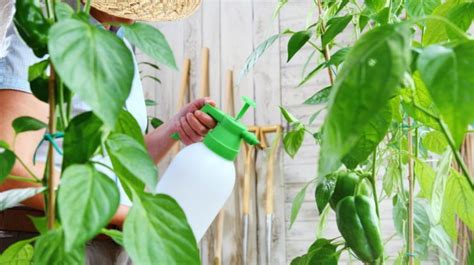
Applying your homemade pest spray effectively is key to its success. Always spray in the early morning or late evening when the sun is not intense. This prevents leaf burn and allows the spray to work without quickly evaporating. Thoroughly coat the affected plants, paying special attention to the undersides of leaves where many pests hide.
Before widespread application, always perform a patch test on a small section of a plant and wait 24 hours to ensure there are no adverse reactions, especially if you used very potent chilies. Reapply the spray every 3-5 days, or after heavy rain, until the pest problem subsides. Consistent application is more effective than sporadic treatments.
Tips for Maximizing Effectiveness
- Rotate Ingredients: Don’t be afraid to experiment with different combinations of scraps. Pests can adapt, so varying your spray ingredients can keep them on their toes.
- Early Detection: The best defense is early detection. Regularly inspect your plants for signs of pests so you can intervene before an infestation takes hold.
- Storage: The concentrated spray can be stored in the refrigerator for up to two weeks. If it starts to smell off, it’s time to make a fresh batch.
- Beyond Spraying: Complement your spray with other organic pest control methods like hand-picking larger pests, encouraging beneficial insects, and maintaining healthy soil.
Cultivate a Healthier Garden, Naturally
Creating your own non-toxic garden pest spray from kitchen scraps is a simple yet powerful step towards a more sustainable and vibrant garden. It empowers you to take control of your pest problems using natural resources, reducing chemical reliance and embracing the true spirit of country living. Enjoy the satisfaction of knowing your garden thrives, protected by the very waste you once discarded.


