Simple DIY root cellar for year-round harvest storage?
Unlock Year-Round Freshness: Your Own DIY Root Cellar
Imagine enjoying crisp apples, firm potatoes, and vibrant carrots from last season’s harvest, even in the dead of winter. A root cellar makes this dream a reality, offering a natural, energy-efficient way to store fruits and vegetables for extended periods. Far from being a complex undertaking, building a simple DIY root cellar is an achievable project for many homeowners and gardeners, providing a sustainable solution for food preservation.
What Exactly is a Root Cellar?
At its core, a root cellar is a cool, dark, and humid storage space designed to mimic the conditions of an underground environment. These specific conditions—typically temperatures between 35-50°F (2-10°C) and 85-95% humidity—slow down the metabolic processes of produce, preventing spoilage, sprouting, and dehydration. Historically, root cellars were vital for survival, allowing communities to store enough food to last through lean months. Today, they represent a fantastic way to enhance food security and reduce reliance on refrigeration for certain items.

Why Build a DIY Root Cellar?
The benefits of having your own root cellar extend beyond just fresh produce. It’s an environmentally friendly storage method, requiring no electricity once constructed. For gardeners, it means less waste from bountiful harvests and the ability to stagger consumption. For those interested in self-sufficiency, it’s a critical component of a resilient food system. Furthermore, a DIY approach allows you to tailor the size and design to your specific needs and budget, often utilizing repurposed materials or existing spaces.
Key Considerations Before You Start
Before you dig in (literally!), a little planning goes a long way. Consider the following:
- Location: For in-ground cellars, look for a spot with good drainage and minimal sun exposure. For above-ground options, a northern-facing wall or shaded area is ideal.
- Temperature & Humidity: Understand the ideal conditions for the produce you plan to store. While most root crops prefer cool and damp, others (like squash) prefer slightly warmer and drier.
- Ventilation: Proper airflow is crucial to prevent mold and stale air. You’ll need an intake and an exhaust vent.
- Insulation: Earth itself provides excellent insulation, but for above-ground or semi-underground designs, you’ll need additional insulation to maintain stable temperatures.
- Pest Control: Design your cellar to be rodent and insect proof.

Simple Root Cellar Design Ideas for the DIYer
1. The Earth-Bermed Cellar (Semi-Underground)
This is a popular and relatively easy DIY option. Dig a partial pit (e.g., 3-4 feet deep), build walls from concrete blocks, wood, or repurposed materials, and then berm earth up and over the structure. A simple roof (covered with earth) provides insulation. This design leverages the earth’s insulating properties while being less labor-intensive than a fully subterranean cellar.
2. Trash Can or Barrel Cellar (Mini In-Ground)
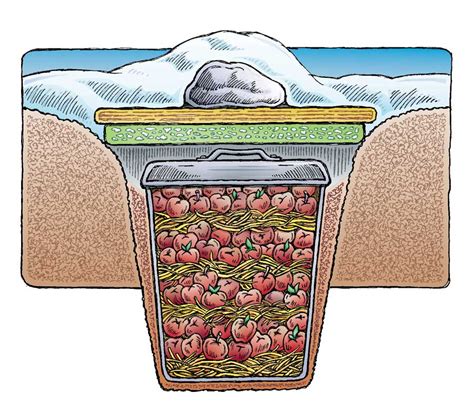
For smaller harvests, a buried trash can or barrel can serve as an effective mini root cellar. Dig a hole, line it with gravel for drainage, place your sturdy, food-grade container, and insulate it with straw or sawdust. Ensure it has a tight-fitting lid that can be easily accessed and a small vent hole.
3. Closet or Shed Conversion
If you have an unused corner in a basement, a cool pantry, or even a sturdy outdoor shed, you might be able to convert it. The key is to insulate it heavily, especially from external walls, and manage ventilation and humidity. Adding shelves and bins will help organize your stored goods.

Step-by-Step Construction Guide (General Principles)
While designs vary, the core principles remain:
- Choose Your Location & Design: Finalize where and how big your cellar will be.
- Excavation (if applicable): Dig your pit. Ensure good drainage.
- Structure Building: Construct walls and a roof from your chosen materials (wood, concrete, stone).
- Insulation: Apply insulation liberally. Earth itself is a great insulator, but consider additional layers for walls, roof, and door.
- Ventilation System: Install an intake vent near the floor and an exhaust vent near the ceiling. Ensure they are screened to keep pests out.
- Door & Sealing: Install a robust, insulated door that seals well to maintain internal conditions.
- Shelving & Bins: Build sturdy shelves or use food-grade bins to keep produce organized and off the floor.
- Thermometer/Hygrometer: Install a device to monitor temperature and humidity.

Best Practices for Root Cellar Success
- Cure Produce: Many root crops (potatoes, onions, squash) benefit from a curing period before storage to heal wounds and thicken skins.
- Inspect Thoroughly: Only store healthy, undamaged produce. One bad apple (or potato) can spoil the whole batch.
- Separate & Organize: Store different types of produce separately as they have varying ideal conditions and can affect each other (e.g., apples release ethylene gas which can hasten ripening).
- Monitor & Adjust: Regularly check your cellar’s temperature and humidity. Adjust vents or add a bucket of water (for humidity) as needed.
- Clean Annually: Empty and thoroughly clean your cellar once a year to prevent pest and disease buildup.

Embrace Sustainable Storage
Building a simple DIY root cellar is a rewarding project that connects you more deeply with your food and the seasons. It’s an investment in sustainable living, providing a reliable, energy-free solution for preserving your harvest. With a little planning and effort, you can enjoy the bounty of your garden long after the growing season has ended, savoring fresh, homegrown goodness year-round.