



Simple DIY solution to deter garden pests naturally?

Tackling Garden Pests the Natural Way
Every gardener eventually faces the frustration of unwelcome visitors munching on their cherished plants. While chemical pesticides offer a quick fix, many prefer a safer, more sustainable approach that protects the environment, beneficial insects, and their family. Good news – deterring common garden pests naturally is often simpler than you think, requiring just a few common household ingredients and a little know-how.
Why Choose Natural Pest Control?
Safeguarding your garden doesn’t have to mean compromising your health or the ecosystem. Choosing natural pest control methods comes with a myriad of benefits. You avoid exposing yourself, your family, and your pets to potentially harmful chemicals. Moreover, natural solutions are kinder to pollinators like bees and butterflies, as well as predatory beneficial insects that naturally help keep pest populations in check. It’s an eco-conscious way to cultivate a thriving, healthy garden, ensuring your produce is free from synthetic residues.

The Homemade Pest Repellent Spray: Ingredients & Supplies
We’re going to create a potent, all-natural spray that many common garden pests find utterly repulsive. This recipe combines the power of pungent garlic, spicy hot peppers, and a touch of mild soap to create an effective deterrent.
What You’ll Need:
- 5-6 large cloves of garlic, minced
- 1-2 hot peppers (e.g., habanero, cayenne, jalapeño), chopped (wear gloves when handling!)
- 1 tablespoon liquid dish soap (mild, biodegradable is best)
- 1 liter (about 4 cups) of water
- A medium-sized pot
- A fine-mesh strainer or cheesecloth
- A clean spray bottle

Mixing Up Your Masterpiece: Step-by-Step Instructions
Creating this natural pest deterrent is a straightforward process:
- Prepare the Infusion: In your pot, combine the minced garlic and chopped hot peppers with 1 liter of water.
- Simmer for Potency: Bring the mixture to a boil, then reduce the heat to a simmer. Let it gently simmer for 15-20 minutes. This process extracts the powerful compounds from the garlic and peppers that pests hate.
- Cool Down: Remove the pot from the heat and allow the mixture to cool completely. This is crucial as applying a warm solution to plants can cause damage.
- Strain the Solids: Once cooled, strain the mixture through a cheesecloth or a fine-mesh strainer into a clean bowl, discarding the solid garlic and pepper bits.
- Add the Soap: Stir in the liquid dish soap. The soap acts as an emulsifier, helping the spray stick to plant leaves, and can also suffocate soft-bodied pests like aphids.
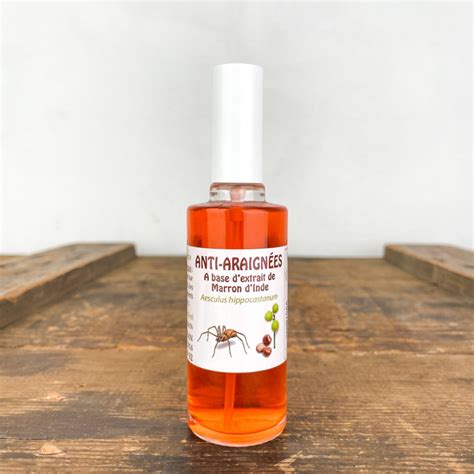
- Bottle It Up: Pour the cooled, strained solution into your clean spray bottle.
How to Apply Your Natural Pest Spray
Proper application is key to the effectiveness and safety of your homemade spray:
- Test First: Always test a small, inconspicuous area of a plant before full application. Wait 24-48 hours to ensure there are no adverse reactions, especially on sensitive plants or during very hot weather.
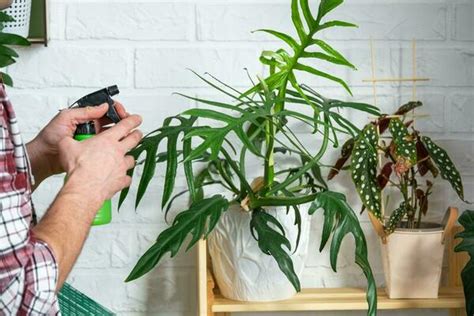
- Target Pests: Spray the tops and, crucially, the undersides of leaves where pests often hide. Ensure good coverage.
- Timing is Everything: Apply the spray in the early morning or late evening. This helps prevent leaf scorch in direct sunlight and minimizes impact on beneficial insects that are more active during the day.
- Frequency: Apply every 5-7 days, or after rain, until the pest problem subsides. Reapply as needed for prevention.
Beyond the Spray: Holistic Pest Management
While this DIY spray is highly effective, a holistic approach to garden care yields the best long-term results and a more resilient ecosystem:
- Companion Planting: Grow specific plants together that naturally repel pests. Marigolds deter nematodes and other insects, nasturtiums act as a trap crop, and herbs like mint or basil can confuse pests with their strong scents.
- Attract Beneficial Insects: Encourage ladybugs, lacewings, and parasitic wasps by planting flowers they love, such as dill, fennel, cosmos, or cilantro. These insects are nature’s pest control.
- Physical Barriers: For highly susceptible crops, consider using row covers or netting to physically prevent pests from reaching your plants.
- Regular Inspection: Make it a habit to regularly inspect your plants for early signs of pest activity. Catching problems early makes them significantly easier to manage.

Cultivate a Healthy, Pest-Free Garden Naturally
Protecting your garden from pests doesn’t require harsh chemicals or complicated methods. With this simple DIY garlic and pepper spray, combined with a few good gardening habits, you can enjoy a vibrant, healthy garden naturally. Embrace these eco-friendly solutions and watch your garden thrive, knowing you’re doing your part for a healthier planet.