Simple guide to building rich, organic garden soil using homemade compost?

Why Healthy Soil is the Foundation of a Thriving Garden
Ask any seasoned gardener, and they’ll tell you: great gardens start with great soil. Soil isn’t just dirt; it’s a living ecosystem teeming with microorganisms, nutrients, and organic matter that directly impact the health, vigor, and productivity of your plants. Rich, organic soil provides essential nutrients, retains moisture, allows for good drainage, and promotes strong root development. While many commercial products promise quick fixes, the most sustainable and effective way to achieve this horticultural nirvana is through homemade compost.
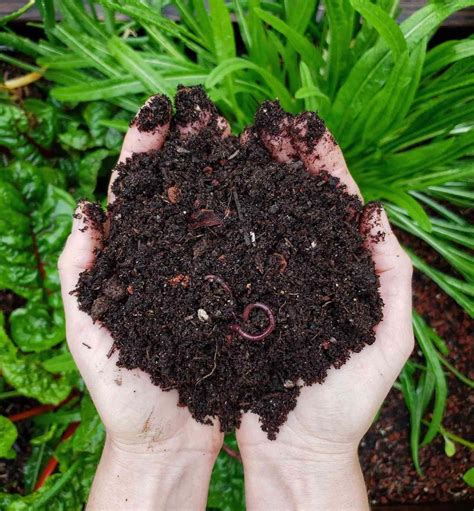
Compost is often called “black gold” for good reason. It’s a natural fertilizer, soil conditioner, and pest deterrent all rolled into one, created from decomposed organic materials. Building your own compost not only enriches your garden but also reduces household waste, making it a win-win for both your plants and the planet.

Understanding the Basics of Composting
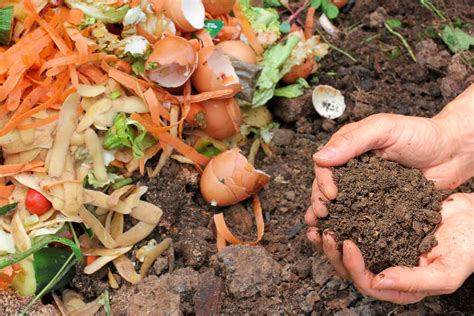
Composting might seem complex, but at its heart, it’s a simple process of decomposition. Microbes, fungi, and other tiny organisms break down organic materials into a dark, crumbly, nutrient-dense substance. To get started, you need a balanced mix of “greens” (nitrogen-rich materials) and “browns” (carbon-rich materials), along with water and air.
Key Components for a Successful Compost Pile:
- Greens: These provide nitrogen and moisture. Examples include kitchen scraps (fruit and vegetable peels, coffee grounds, tea bags), fresh grass clippings, and plant trimmings.
- Browns: These supply carbon and structure, preventing compaction. Examples include dry leaves, straw, wood chips, shredded newspaper, and cardboard.
- Water: The pile needs to be consistently moist, like a wrung-out sponge, to support microbial activity.
- Air: Regular turning or aeration is crucial to prevent anaerobic conditions, which can lead to foul odors and slow decomposition.
Setting Up Your Compost System
There are various ways to compost, from simple piles to sophisticated bins. Choose a method that fits your space, lifestyle, and gardening needs.
Choosing Your Composting Method:
- Open Pile: The simplest method. Just stack your materials in a designated spot. Ideal for larger yards and those with ample space.
- Compost Bin: These can be purchased or DIYed from pallets, wire mesh, or old trash cans. Bins help contain the pile, retain heat, and often make turning easier.
- Tumbling Composter: A sealed barrel that rotates, making aeration effortless. Great for smaller spaces and faster composting, though they have a limited capacity.
No matter the method, locate your compost system in a shady spot to prevent it from drying out too quickly, but not so shady that it never warms up. Ensure it’s accessible for adding materials and turning.
Building and Maintaining Your Compost Pile
Once you have your location and system, it’s time to start layering:
- Start with Browns: Lay a 6-inch base layer of coarse browns (twigs, wood chips) to ensure good drainage and aeration.
- Alternate Layers: Add 2-3 inches of greens, followed by 4-6 inches of browns. Aim for roughly a 2:1 or 3:1 ratio of browns to greens by volume.
- Moisten as You Go: Lightly water each layer as you add it. The pile should feel damp, not soggy.
- Turn Regularly: Once a week or every few weeks, use a pitchfork to turn the pile, mixing the layers and introducing air. This speeds up decomposition and prevents odors.
- Monitor Temperature: Active compost piles will heat up in the center (sometimes reaching 130-160°F), indicating healthy microbial activity.
- Be Patient: Depending on the materials and conditions, compost can be ready in a few weeks to several months. You’ll know it’s done when it’s dark brown, crumbly, smells earthy, and you can no longer identify the original materials.

Integrating Homemade Compost into Your Garden Soil
Once your compost is mature, it’s ready to work its magic in your garden. There are several effective ways to apply it:
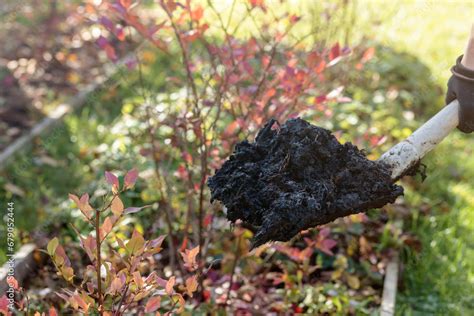
- Top-Dressing: Spread a 1-2 inch layer of compost directly onto the surface of your garden beds, around plants, and under trees and shrubs. The nutrients will slowly leach into the soil with watering and rain.
- Soil Amendment: Before planting new beds or preparing existing ones for the season, incorporate compost directly into the top 6-12 inches of soil using a rake or tiller. This dramatically improves soil structure and nutrient content.
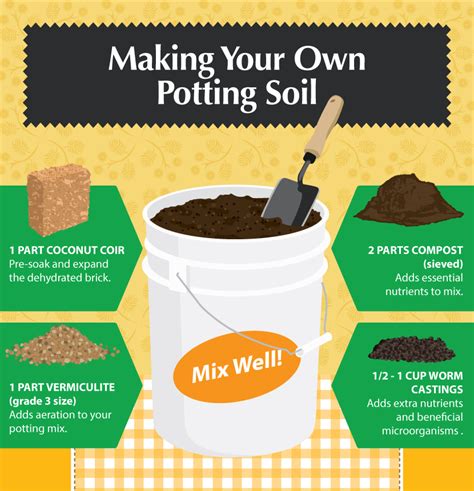
- Potting Mix Component: Mix compost with other ingredients like perlite, vermiculite, and peat moss (or coconut coir) to create your own nutrient-rich potting mixes for containers and seed starting.
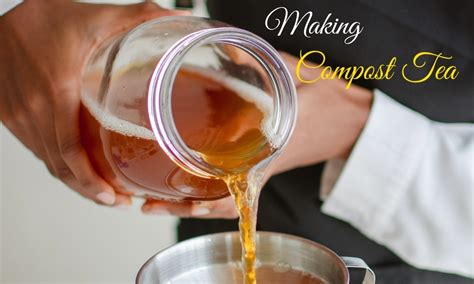
- Compost Tea: “Brew” compost in water for a few days to create a liquid fertilizer that can be applied to plants as a foliar spray or soil drench, providing a quick nutrient boost.
Regularly adding homemade compost is the cornerstone of building and maintaining rich, organic garden soil. Over time, you’ll notice a remarkable improvement in your soil’s texture, water retention, and the overall health and productivity of your plants. Embrace the cycle of nature, and your garden will thank you with abundant harvests and vibrant beauty.