Simple homemade recipes for preserving summer garden produce?
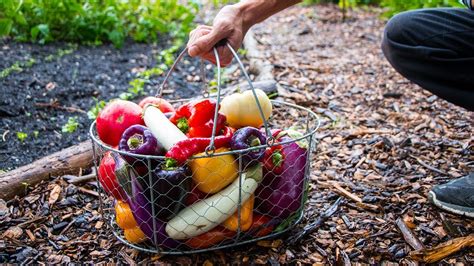
As summer reaches its peak, gardens overflow with an abundance of fresh, vibrant produce. From juicy tomatoes and crisp cucumbers to sweet berries and leafy greens, the harvest season offers a bounty that often exceeds immediate consumption. Instead of letting this precious produce go to waste, embrace the rewarding world of home preservation! It’s a wonderful way to capture summer’s flavors, extend the life of your homegrown goods, and enjoy delicious, healthy ingredients all year round. Preserving doesn’t have to be complicated; many simple methods allow even beginners to savor their garden’s bounty.
Classic Canning: Jams, Jellies, and Sauces
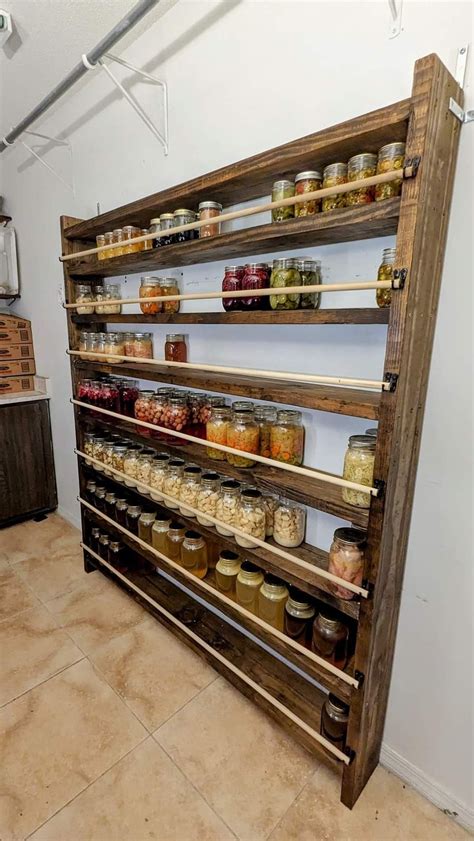
Canning is perhaps the most iconic method of preservation, renowned for its ability to create shelf-stable jars of deliciousness. While it might seem intimidating, basic water bath canning for high-acid foods like fruits and pickled vegetables is quite straightforward. Imagine spreading homemade strawberry jam on toast in the middle of winter or enjoying a rich tomato sauce made from your garden’s finest.
Simple Strawberry Jam
- Ingredients: 4 cups crushed strawberries, 4 cups granulated sugar, 1/4 cup lemon juice.
- Instructions: Combine strawberries and lemon juice in a large pot. Bring to a boil, then stir in sugar. Return to a rolling boil and cook, stirring frequently, until the jam reaches its setting point (around 220°F / 104°C or passes the cold plate test). Ladle hot jam into sterilized canning jars, leaving 1/4 inch headspace. Process in a boiling water canner for 10 minutes.

Tangy Tastes: Pickling and Fermenting
Pickling and fermenting transform vegetables into tangy, crunchy delights that are perfect as snacks, sides, or additions to meals. Pickling involves submerging vegetables in an acidic brine, while fermenting uses beneficial bacteria to convert sugars into lactic acid, creating a distinctive flavor and often enhancing nutritional value.
Quick Dill Pickles
- Ingredients: 4-5 small cucumbers (kirby or pickling), 2 cups water, 1 cup white vinegar, 1 tablespoon pickling salt, 2 sprigs fresh dill, 2 cloves garlic.
- Instructions: Wash cucumbers and slice into spears or rounds. Pack tightly into clean pint jars with dill and garlic. In a saucepan, combine water, vinegar, and salt; bring to a boil until salt dissolves. Pour hot brine over cucumbers, ensuring they are fully submerged. Seal jars and refrigerate for at least 24 hours before enjoying. These quick pickles are not shelf-stable and must be kept in the fridge.

Freezing for Freshness: Fruits and Vegetables
Freezing is arguably the easiest and least labor-intensive preservation method, making it ideal for busy gardeners. It retains much of the fresh flavor, color, and nutrients of your produce. Most vegetables benefit from a quick blanching before freezing to preserve texture and color, while many fruits can be frozen raw.
Blanched Green Beans
- Instructions: Wash and trim green beans. Blanch in boiling water for 3 minutes, then immediately transfer to an ice bath for 3 minutes to stop cooking. Drain thoroughly and pat dry. Spread in a single layer on a baking sheet and freeze until solid. Transfer frozen beans to freezer bags, removing as much air as possible, and store for up to 8-12 months.

Dehydrating Delights: Herbs, Fruits, and Veggies
Dehydration removes moisture from food, inhibiting spoilage and concentrating flavors. It’s perfect for creating snacks like fruit leathers, dried herbs for seasoning, or even sun-dried tomatoes. A food dehydrator is the most efficient tool, but a low oven setting can also work.
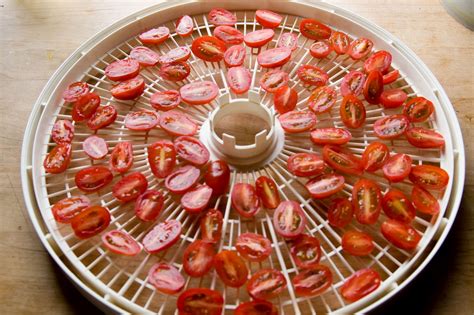
Dried Cherry Tomatoes
- Instructions: Wash and halve cherry tomatoes. Place cut-side up on dehydrator trays or baking sheets lined with parchment paper. Dehydrate at 135°F (57°C) for 8-12 hours, or until leathery and pliable but not brittle. Store in airtight containers.
Tips for Successful Preservation
- Use Fresh Produce: Always start with the highest quality, freshest produce for the best results.
- Sanitation is Key: Cleanliness is crucial, especially for canning. Sterilize jars and lids as required.
- Follow Recipes: Especially for canning, stick to tested recipes to ensure food safety.
- Label and Date: Clearly label all preserved goods with the item and date of preservation.
Embracing these simple homemade preservation techniques allows you to extend the enjoyment of your summer garden’s bounty far beyond the growing season. From sweet jams to tangy pickles and convenient frozen vegetables, you’ll love having a pantry stocked with wholesome, homegrown goodness. Happy preserving!