


Simple, natural ways to boost garden soil fertility for big harvests?

The Foundation of Abundance: Healthy Soil
For any gardener dreaming of bountiful harvests, the secret isn’t in a bottle of chemical fertilizer, but rather beneath their feet: healthy, fertile soil. Rich soil is the very bedrock of a thriving garden, teeming with life and providing all the essential nutrients your plants need to flourish naturally. Opting for simple, natural methods to enhance soil fertility not only leads to bigger, healthier yields but also fosters a sustainable ecosystem that benefits your garden for years to come.
Embracing organic practices enriches the soil structure, improves water retention, and encourages a vibrant microbiome, making your garden more resilient to pests and diseases. Forget synthetic quick fixes that can deplete soil over time; the natural approach builds lasting vigor from the ground up.

Composting: Your Garden’s Black Gold
Compost is arguably the most fundamental and effective way to boost soil fertility. This decomposed organic matter, often referred to as “black gold,” is packed with macro and micronutrients, beneficial microorganisms, and improves soil structure like nothing else. It lightens heavy clay soils, gives body to sandy soils, and significantly increases the soil’s capacity to hold water and nutrients.
Starting a compost pile or bin is simple. Collect kitchen scraps (vegetable and fruit peels, coffee grounds, eggshells), yard waste (leaves, grass clippings, small twigs), and balance “greens” (nitrogen-rich) with “browns” (carbon-rich). With a little moisture and occasional turning, you’ll soon have a nutrient-dense amendment ready to be dug into your garden beds or used as a top dressing.
Cover Cropping: Nature’s Green Manure
When garden beds lie fallow, they risk erosion and nutrient loss. Cover crops, or “green manures,” are plants grown specifically to benefit the soil rather than for harvest. They protect the soil surface, suppress weeds, prevent nutrient runoff, and, when tilled into the soil, add a significant amount of organic matter.
Leguminous cover crops like clover, vetch, and alfalfa are especially valuable as they fix atmospheric nitrogen into the soil, making it available for subsequent crops. Cereal grains like rye or oats provide substantial biomass. Planting cover crops in off-seasons is an excellent strategy to continuously build soil health and fertility without synthetic inputs.

Mulching: The Protective Blanket
Mulching involves applying a layer of organic material to the soil surface around plants. This simple practice offers a multitude of benefits for soil fertility and plant health. Mulch conserves soil moisture by reducing evaporation, suppresses weed growth, regulates soil temperature, and protects the soil from compaction caused by heavy rain.
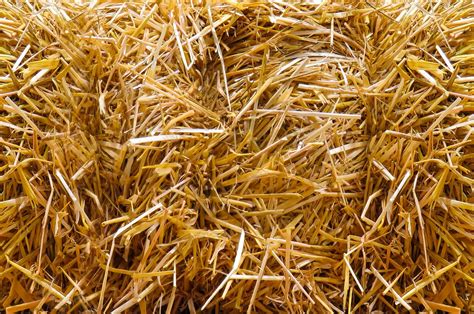
As organic mulches (like straw, shredded leaves, wood chips, or grass clippings) slowly decompose, they continuously release nutrients back into the soil, feeding the soil’s microbial life and gradually enriching its structure. This continuous slow feeding is perfect for sustained fertility.
Nurturing the Soil Food Web
Healthy soil is alive! It teems with billions of microorganisms – bacteria, fungi, nematodes, protozoa, and larger creatures like earthworms – all forming a complex “soil food web.” These unseen helpers break down organic matter, cycle nutrients, improve soil aeration, and protect plants from diseases. Chemical fertilizers and excessive tilling can harm this delicate ecosystem.
To encourage a vibrant soil food web, minimize tilling (opt for no-till or minimal till practices), add plenty of compost, and consider using compost teas or inoculating with mycorrhizal fungi, which form symbiotic relationships with plant roots to enhance nutrient uptake. A living soil is a fertile soil.

Strategic Planting: Rotation and Companions
Clever planting strategies can significantly contribute to soil fertility. Crop rotation involves planting different crops in a specific sequence in the same area over several seasons. This prevents the depletion of specific nutrients, disrupts pest and disease cycles, and encourages a broader range of beneficial soil organisms. For instance, following a heavy feeder like corn with a nitrogen-fixing legume like beans can naturally replenish the soil.
Companion planting, where certain plants are grown together for mutual benefit, can also enhance soil health. Some companions deter pests, while others can improve nutrient availability or even alter soil conditions in beneficial ways. For example, marigolds can repel nematodes, while legumes planted near heavy feeders can share their nitrogen bounty.

Conclusion: A Fertile Future
Boosting your garden’s soil fertility doesn’t require complex chemistry or expensive products. By consistently applying these simple, natural methods – composting, cover cropping, mulching, fostering soil life, and strategic planting – you’ll create a robust, self-sustaining ecosystem. Not only will your plants thrive and reward you with abundant, healthy harvests, but you’ll also be contributing to a more resilient and sustainable gardening practice, building fertility that lasts for generations.